

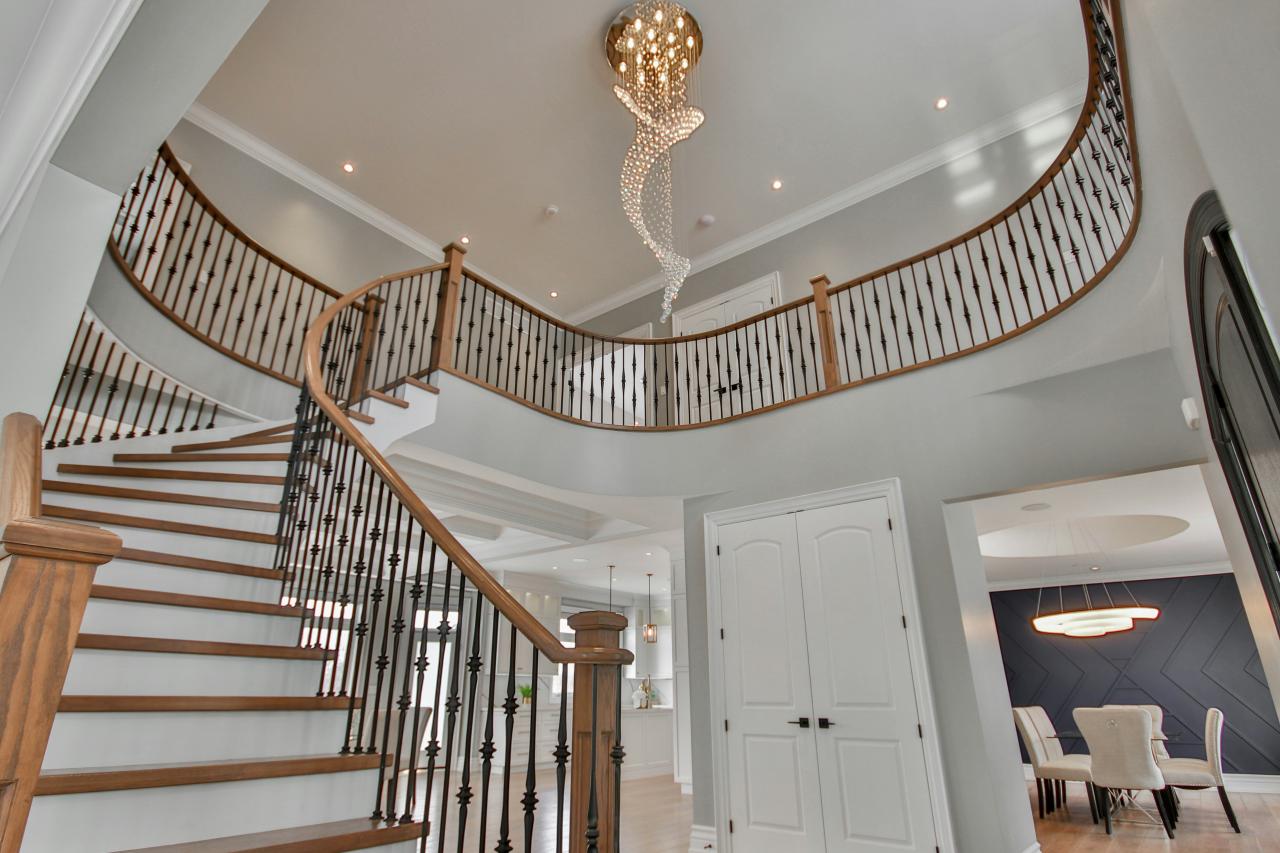
The intersection of neuro-aesthetic engineering and high-end structural design has given birth to a revolutionary paradigm known as spatial cognitive biometrics in luxury architecture. This sophisticated discipline moves beyond traditional aesthetics to explore how the built environment directly influences the neural pathways, hormonal balance, and cognitive performance of its inhabitants in real-time.
For elite property developers, sovereign wealth architects, and institutional investors, the integration of biometric feedback loops into the physical fabric of a building is no longer a futuristic concept but a strategic necessity for creating hyper-responsive living and working environments. By utilizing advanced sensors and machine learning algorithms, modern luxury structures can now monitor physiological indicators such as heart rate variability, skin conductance, and ocular tracking to adjust lighting, acoustics, and air quality autonomously.
This evolution is driven by a deep understanding of biophilic design principles and the psychological impact of fractal geometry on human stress reduction and creative output. As the global elite increasingly prioritize wellness and mental clarity as the ultimate form of luxury, the ability to engineer spaces that actively enhance cognitive resilience has become the primary competitive advantage in the ultra-prime real estate market.
Navigating this complex landscape requires a surgical precision in material selection, a mastery of circadian lighting systems, and a fundamental redesign of spatial flow to align with the subconscious navigation patterns of the human brain. Ultimately, the goal of these biometric-integrated environments is to provide a frictionless transition between the external world and a private sanctuary that acts as a sentient extension of the occupant’s own biological systems.
This holistic approach ensures that every square foot of an architectural masterpiece is optimized for peak human performance, transforming a static structure into a hyper-intelligent engine for long-term health and wealth preservation. By viewing architecture as a biological interface rather than just a physical shelter, the modern design enterprise can maintain a decisive lead in the pursuit of institutional-grade market leadership within the rapidly maturing luxury living landscape.
A. The Mechanics Of Neuro Aesthetic Spatial Engineering
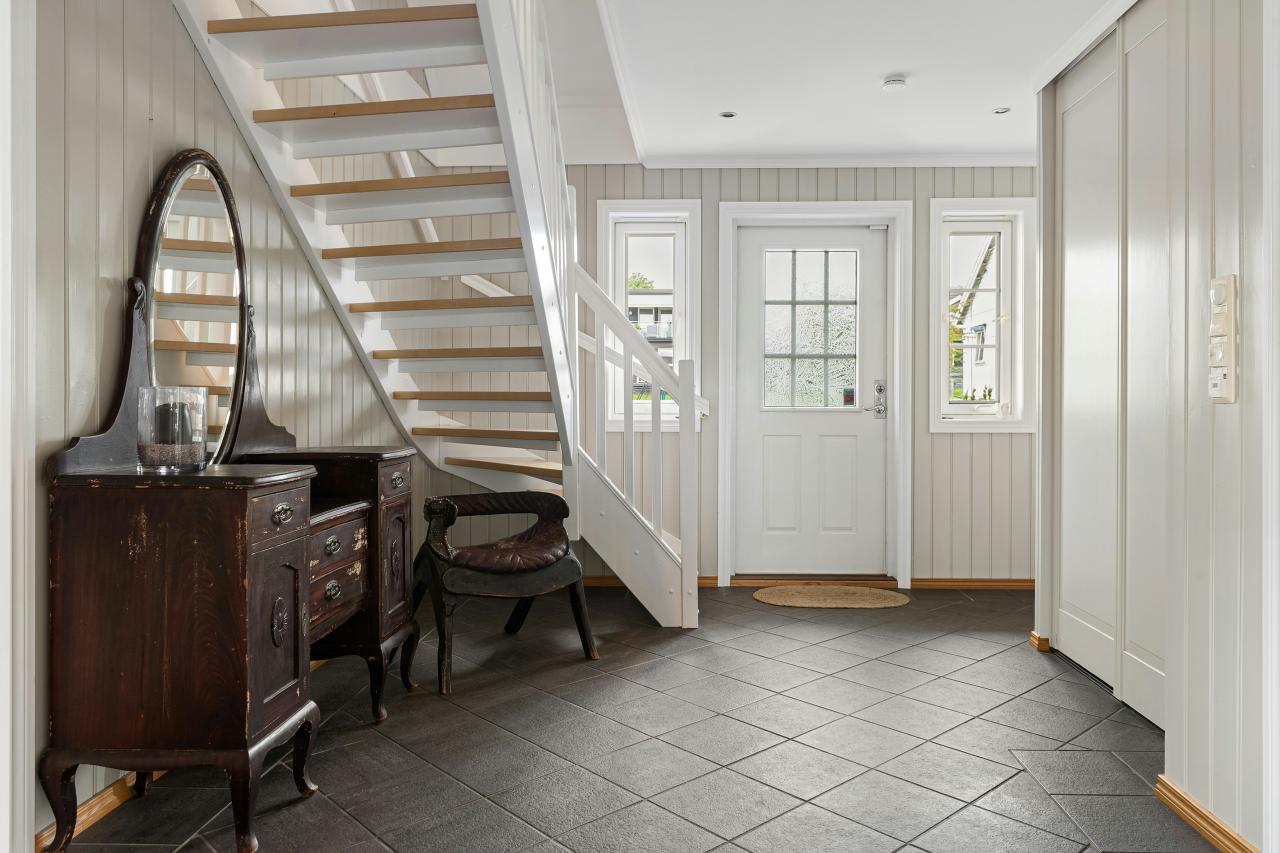
The foundation of cognitive biometrics lies in the ability of a space to trigger specific neurotransmitters through visual and tactile stimuli. Architects are now utilizing eye-tracking data to determine exactly where a resident’s gaze lingers, allowing them to place high-value art or soothing natural elements in primary focal points.
This process involves a clinical orchestration of “golden ratio” proportions and specific color frequencies that correspond to the brain’s alpha wave production. By creating an environment that encourages deep focus or profound relaxation, the architecture becomes a functional tool for mental optimization.
Materials are chosen not just for their visual appeal but for their thermal conductivity and acoustic dampening properties. Every texture within a biometric-driven home is designed to lower the occupant’s sympathetic nervous system activity upon contact.
B. Circadian Lighting And Hormonal Synchronization
Elite architectural systems now incorporate dynamic lighting arrays that mimic the exact spectral transition of natural sunlight throughout the day. This technology is essential for regulating the production of melatonin and cortisol, ensuring the inhabitant’s internal clock remains perfectly synchronized.
High-fidelity sensors detect the level of ambient light and adjust the “blue light” exposure in real-time to prevent cognitive fatigue during working hours. As evening approaches, the system transitions to warmer wavelengths that prepare the brain for deep, restorative sleep.
This synchronization is a key pillar of institutional wellness, particularly for high-performing executives who must maintain mental clarity across multiple time zones. It is a biological intervention delivered through the medium of light and shadow.
C. Atmospheric Intelligence And Biometric Air Quality
The air within a luxury biometric structure is treated as a critical nutrient, with sensors constantly monitoring CO2 levels, volatile organic compounds, and humidity. If the system detects a spike in stress-related biomarkers from the inhabitants, it can autonomously increase oxygen saturation or introduce specific botanical terpenes.
Advanced filtration systems utilize medical-grade technology to remove ultra-fine particulates, creating an environment that is cleaner than most mountain resorts. This “atmospheric intelligence” ensures that the respiratory system remains unburdened, allowing the brain to allocate more energy to complex problem-solving.
Humidity is precisely calibrated to prevent skin dehydration and ensure optimal mucosal health, which is a vital defense against airborne pathogens. The building effectively acts as a protective “second skin” for its residents.
D. Acoustic Sculpting And Sonic Privacy Infrastructure
Luxury architecture now utilizes active noise-canceling technology built directly into the walls and ceilings to create “silent zones” within the home. This acoustic sculpting allows for total sonic privacy, ensuring that conversations in one area do not bleed into another.
Beyond just silence, these systems can introduce “biophilic soundscapes”—such as the specific frequency of flowing water or wind through leaves—to mask urban noise and lower heart rate. This auditory layer is carefully tuned to the resonant frequency of the room’s geometry.
Institutional-grade acoustic engineering prevents “sonic clutter,” which is a major contributor to chronic stress and cognitive decline. It creates a sanctuary where the mind can wander without being interrupted by the chaotic frequencies of the modern world.
E. Fractal Geometry And Subconscious Stress Reduction
Research in design psychology has shown that human beings have a biological preference for fractal patterns, which are repeating geometric shapes found in nature. Luxury architects are integrating these patterns into flooring, wall treatments, and structural supports to reduce mental fatigue.
These patterns provide the brain with a sense of “organized complexity” that is much easier to process than the stark, flat surfaces of traditional modernism. This reduction in “processing load” allows the occupant to feel more relaxed and focused within the space.
By utilizing 3D printing and advanced CNC milling, architects can now create bespoke fractal elements that were previously impossible to manufacture. It is a fusion of digital precision and primordial biological comfort.
F. Spatial Flow And The Neurobiology Of Navigation
The way a person moves through a building has a profound impact on their sense of agency and security. Biometric architecture utilizes “heat mapping” of movement to create spatial flows that align with natural human navigation instincts.
This involves the removal of “dead ends” and the creation of clear sightlines that provide the subconscious with a sense of orientation and control. A well-designed spatial flow reduces the “cognitive map” effort required to exist within the building.
For large-scale institutional projects or sprawling private estates, this optimization ensures that the environment feels intuitive rather than overwhelming. It is the architectural equivalent of a “frictionless” user interface.
G. Tactile Biometrics And Material Resonance
Every surface in a luxury environment provides a tactile feedback loop that influences the occupant’s emotional state. Elite architects are selecting “living materials” like raw stone, untreated wood, and natural silk that have specific vibrational and thermal properties.
These materials respond to the touch in a way that synthetic surfaces cannot, providing a grounding effect that is essential in a digital-heavy world. The “thermal mass” of the building is also used to maintain a stable, comforting temperature that mimics the human body’s own thermal equilibrium.
Tactile biometrics also includes the use of “haptic” feedback in control systems, where switches and interfaces provide a satisfying physical response. This reinforces the sense of connection between the inhabitant and their architectural environment.
H. The Role Of Haptic Control Systems
Interfaces in luxury homes are moving away from glowing glass screens toward “haptic” surfaces that are integrated into natural materials. A touch on a marble countertop or a wooden panel can control lighting and temperature, providing a more “human” way to interact with technology.
This reduces “screen fatigue” and keeps the resident’s focus on their surroundings rather than a digital device. These systems are powered by neural engines that learn the resident’s preferences over time, eventually anticipating their needs before they even touch a surface.
By hiding the technology within the architecture, the space remains a peaceful sanctuary. It is a “calm technology” approach where the intelligence is omnipresent but invisible.
I. Biophilic Integration And The Restoration Theory
The integration of internal gardens, vertical forests, and water features is based on “Attention Restoration Theory,” which suggests that looking at nature allows the brain’s focus mechanisms to recharge. In luxury architecture, these elements are not just decorative but are functional “cognitive chargers.”
The system monitors the health of the plants as closely as it monitors the health of the residents, creating a symbiotic ecosystem where both thrive. The presence of living greenery has been shown to lower cortisol levels and improve creative output by up to 15%.
These natural elements also act as biological air purifiers and humidifiers, further enhancing the atmospheric intelligence of the building. It is a return to a primordial connection with the earth, delivered with institutional precision.
J. Privacy Shielding And Electromagnetic Hygiene
A sovereign digital life requires a physical environment that is shielded from electromagnetic interference and unauthorized surveillance. Elite luxury architecture incorporates “Faraday cage” technology into specific rooms, such as home offices or bedrooms, to block all outgoing and incoming signals.
This “electromagnetic hygiene” protects the occupant’s nervous system from the constant “hum” of 5G and Wi-Fi signals, which some studies suggest can interfere with sleep and cellular repair. It provides a true “digital detox” environment that is a rare luxury in the modern world.
The shielding also prevents “Emanation Intelligence”—where hackers can intercept data by reading the electromagnetic pulses of computer hardware. It is the ultimate expression of professional privacy and security at the structural level.
K. Haptic Feedback And Sensory Grounding
In an increasingly virtual world, “sensory grounding” through physical architecture has become a vital wellness strategy. The building provides a series of “anchors”—such as the weight of a solid brass door handle or the coolness of a limestone floor—that pull the resident back into their physical body.
This grounding is essential for mental health and helps to reduce the feelings of anxiety and “dissociation” often caused by excessive screen time. The architecture acts as a “physical reality” buffer against the digital fog.
Every interaction with the building is designed to be intentional and satisfying. It is a slow, deliberate approach to living that prioritizes quality of experience over speed.
L. Predictive Analytics For Occupant Wellness
The neural engine managing the building uses predictive analytics to identify patterns in the occupant’s behavior that might indicate stress or illness. If the system notices a change in sleep patterns or a rise in average heart rate, it can adjust the environment to provide extra support.
This might include increasing the humidity, adding soothing scents like lavender to the ventilation, or subtly changing the music to a lower BPM. The building becomes a “silent partner” in the resident’s healthcare team.
This proactive approach to wellness ensures that the environment is always aligned with the resident’s current biological needs. It is a level of personalization that was previously impossible in the built environment.
M. The Impact Of Spatial Proportions On Power And Confidence
Design psychology explores how the “volume” and “scale” of a room can influence an individual’s sense of power and social status. Luxury architecture utilizes “soaring” ceiling heights and wide, open vistas to trigger a sense of expansive thinking and confidence.
These spatial proportions are carefully calibrated to be “imposing” but not “intimidating,” creating an environment where the resident feels like the master of their domain. It is an architectural application of “power posing” that has a lasting impact on the subconscious.
For institutional boardrooms or private libraries, these proportions are used to encourage strategic thought and long-term vision. The space itself becomes a catalyst for success.
N. Sustainable Material Recovery In Luxury Construction
As we move toward a circular economy, even luxury architecture must consider the “lifecycle” of its materials. The next generation of elite buildings will be designed with “sustainable material recovery” in mind, ensuring that the precious stone and high-grade alloys can be repurposed in the future.
This “circular luxury” approach appeals to the eco-conscious values of the modern global elite. It ensures that the building’s legacy is one of environmental stewardship rather than waste.
Using recovered or “upcycled” materials can also add a sense of history and “soul” to a new project. It is a fusion of the best of the past with the intelligence of the future.
O. Creating A Sentient Sanctuary For The Future
The ultimate goal of spatial cognitive biometrics in luxury architecture is the creation of a sentient sanctuary. This is a space that understands you, supports you, and evolves with you over a lifetime.
Achieving this requires a partnership between the world’s most creative architects and the most advanced technology companies. It is a journey toward a world where our buildings are as alive as we are.
The structures we build today are the legacy we leave for the future. By mastering the art of biometric architecture, the modern design enterprise secures its position as a leader in the ultimate frontier of human potential and wellness.
Conclusion
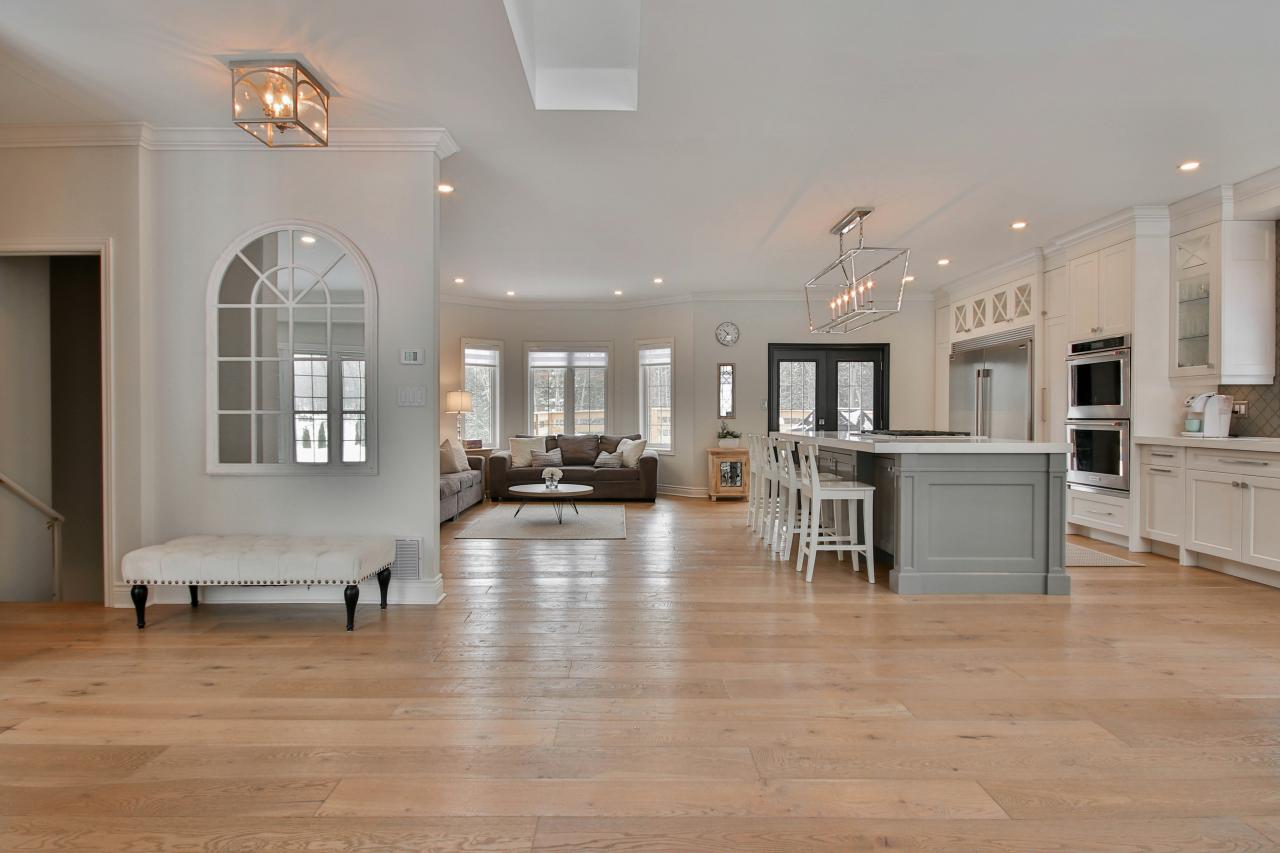
Cognitive biometrics transform luxury architecture into a functional tool for human health. Circadian lighting is a critical biological intervention for hormonal and sleep synchronization. Atmospheric intelligence ensures that the air we breathe is a catalyst for cognitive performance. Acoustic sculpting provides the sonic privacy needed for deep focus and institutional security. Fractal geometry reduces the brain’s processing load, leading to a state of profound relaxation. Spatial flow optimization aligns the built environment with our primordial navigation instincts. Haptic control systems allow for a “human” interaction with the building’s underlying intelligence.
Biophilic integration provides the necessary “cognitive recharge” for high-performing individuals. Electromagnetic hygiene protects the nervous system from the digital noise of the modern world. Sensory grounding through natural materials reduces the anxiety caused by virtual life. Predictive analytics allow the building to act as a proactive partner in the resident’s wellness. The future of luxury is a sentient environment that actively enhances the human experience.

