


The global architectural landscape is currently undergoing a period of profound re-evaluation as the structural foundations of traditional building regimes encounter the disruptive potential of climate urgency and advanced computational design. This evolution is not a localized phenomenon but a systemic shift that mirrors the great spatial transitions of the past, moving from static, carbon-heavy structures to the responsive, software-defined environments that define the modern built experience.
We are currently witnessing an era where the concept of “shelter” is being decoupled from legacy construction methods, as institutional developers and visionary architects explore the integration of regenerative biophilic systems and digital twins to mitigate the risks associated with rapid urbanization and environmental degradation. For professional designers and urban planners, the historical trajectory of structural engineering provides the essential context required to navigate the current shift toward a multi-functional habitat system, where the supremacy of isolated residential or commercial zones is increasingly challenged by integrated 15-minute cities and adaptive reuse initiatives.
These strategic transitions utilize sophisticated generative design frameworks to balance aesthetic narrative against the need for net-zero performance, providing a transparent roadmap for the future of resilient infrastructure and long-term asset preservation. As the global regulatory environment adapts to the presence of stricter energy standards and circular economy mandates, the demand for high-integrity natural materials and smart building automation is reaching a historic peak, creating a massive opportunity for early adopters of next-generation architectural logic.
Furthermore, the application of reality capture and robotic fabrication is providing a level of precision that was previously impossible, effectively reducing the construction waste inherent in traditional onsite assembly and ensuring that development remains aligned with biodiversity goals. Navigating this complex landscape requires a deep understanding of the historical failures of brutalist disconnect, the rigidities of the suburban sprawl, and the emerging theories of neuroarchitecture that are defining the modern era. By securing a position in these high-value design pillars today, organizations can future-proof their portfolios against the inevitable shift in human behavior while playing a decisive role in the stabilization of the global ecosystem.
A. Net Zero Carbon Performance Frameworks
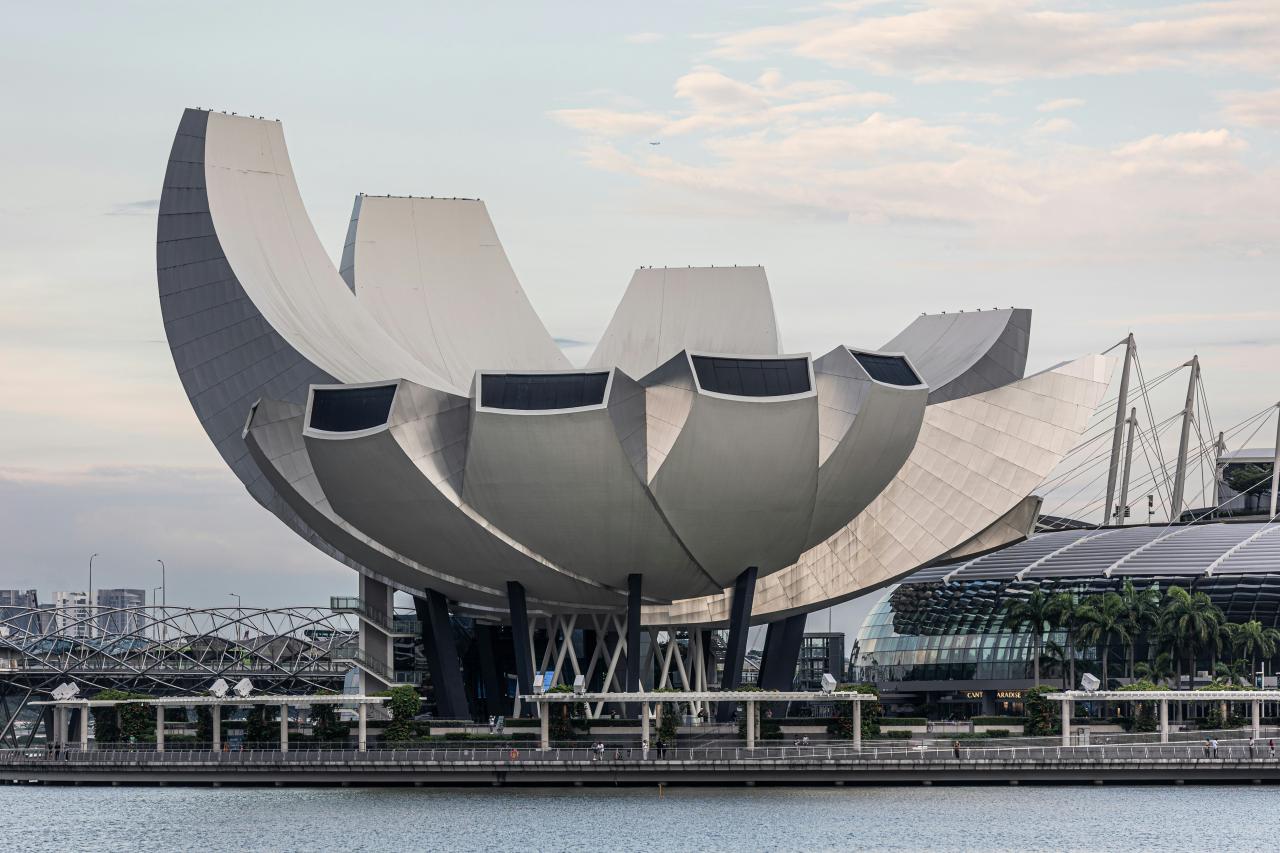
The hallmark of the modern era is the transition from high-impact concrete to carbon-sequestering mass timber and bio-concrete. Professional integrators now prioritize a “fabric-first” approach that utilizes high-performance insulation and airtight envelopes to eliminate the need for traditional heating systems.
These sustainable designs allow developers to unlock premium green financing and satisfy increasingly strict governmental carbon mandates. By embedding environmental accountability into the core of the project, the industry ensures that the asset remains viable and valuable in a climate-conscious market.
B. Smart Building IoT and Digital Twins
A successful architectural project is only as reliable as the data that informs its operation, necessitating the use of digital twins for real-time performance monitoring. Integrators prioritize the installation of occupancy and air quality sensors that allow the building to adjust lighting and ventilation automatically.
These intelligent systems allow for predictive maintenance, identifying potential structural or mechanical issues before they lead to costly repairs. This robust infrastructure protects the long-term ROI of the property while providing a superior experience for modern occupants.
C. Regenerative Biophilic and Wellness Integration
Advanced architectural designs now incorporate living walls, natural light corridors, and acoustic zoning to enhance the mental well-being of residents. This human-centric approach promotes productivity and health by bringing the restorative power of nature into the heart of the urban environment.
Integrators work closely with landscape architects to create “productive” green spaces that can manage stormwater and support local biodiversity. The result is a more resilient building that functions as a natural cooling system for the surrounding neighborhood.
D. Adaptive Reuse and Structural Repurposing
The most sustainable strategy often involves the creative revitalization of existing industrial or commercial heritage rather than new construction. Professional firms specialize in “retro-fitting” older structures with modern energy systems while preserving the unique historical character of the original site.
This approach significantly reduces embodied carbon by reusing the building’s primary steel or brick skeleton. Adaptive reuse serves as a high-value investment strategy that bypasses the supply chain delays associated with sourcing new structural components.
E. Generative Design and AI Driven Layouts
Modern architects utilize sophisticated algorithms to explore thousands of layout variations to find the perfect balance of daylight, views, and material efficiency. These tools allow for the creation of complex geometric forms that were previously impossible to calculate manually.
Integrators utilize these data-backed models to ensure that every square inch of the building provides maximum utility and aesthetic appeal. This precision-driven workflow reduces material waste and speeds up the transition from conceptual sketches to buildable blueprints.
F. Modular Fabrication and Offsite Assembly
The age of the slow, manual construction site is ending, replaced by the precision of modular pods and prefabricated components. Professional builders now prioritize offsite manufacturing to ensure a higher level of quality control and significantly faster project delivery timelines.
These modular systems allow for a more flexible and scalable approach to urban housing and commercial developments. By shifting assembly to controlled environments, the industry reduces on-site noise and disruption while achieving zero-waste manufacturing goals.
G. Climate Resilient Urban Infrastructure
High-end developments now include integrated flood defenses and thermal massing to withstand extreme weather events and rising temperatures. Integrators install permeable surfaces and greywater recycling systems to ensure the building can operate autonomously during municipal outages.
These proactive resilience features protect the physical integrity of the asset from environmental shocks. Investing in climate-ready architecture is now a mandatory requirement for securing long-term institutional capital and insurance coverage.
H. Neuro Inclusive Design and Sensory Balance
The ultimate luxury in modern space planning is a design that respects the diverse sensory needs of all individuals. Professional designers specialize in “quiet zones” and customizable lighting systems that allow users to tailor their environment to their specific cognitive requirements.
Hidden acoustic panels and integrated sound-masking prevent the distractions common in high-density office or residential environments. This focus on sensory harmony is a key differentiator for premium brands seeking to foster an inclusive and high-performing culture.
I. Circular Economy Material Sourcing
Institutional developers are moving toward a “material bank” model where every component of the building is tracked for future recovery and reuse. System integrators utilize digital passports to document the origin and recyclability of every piece of timber, metal, and glass.
This circular approach prevents valuable materials from ending up in landfills at the end of the building’s lifecycle. Maintaining a documented inventory of materials increases the long-term salvage value and sustainability rating of the property.
J. Holistic Energy Independence and Microgrids
Modern architectural projects often serve as local energy hubs, featuring on-site solar generation and high-capacity battery storage. Integrators handle the complex energy distribution required to share surplus power with the local community or the national grid.
This decentralized energy model provides the building with total independence from traditional utility price fluctuations. Energy-autonomous architecture is the essential foundation for a more stable and resilient global power network.
Conclusion
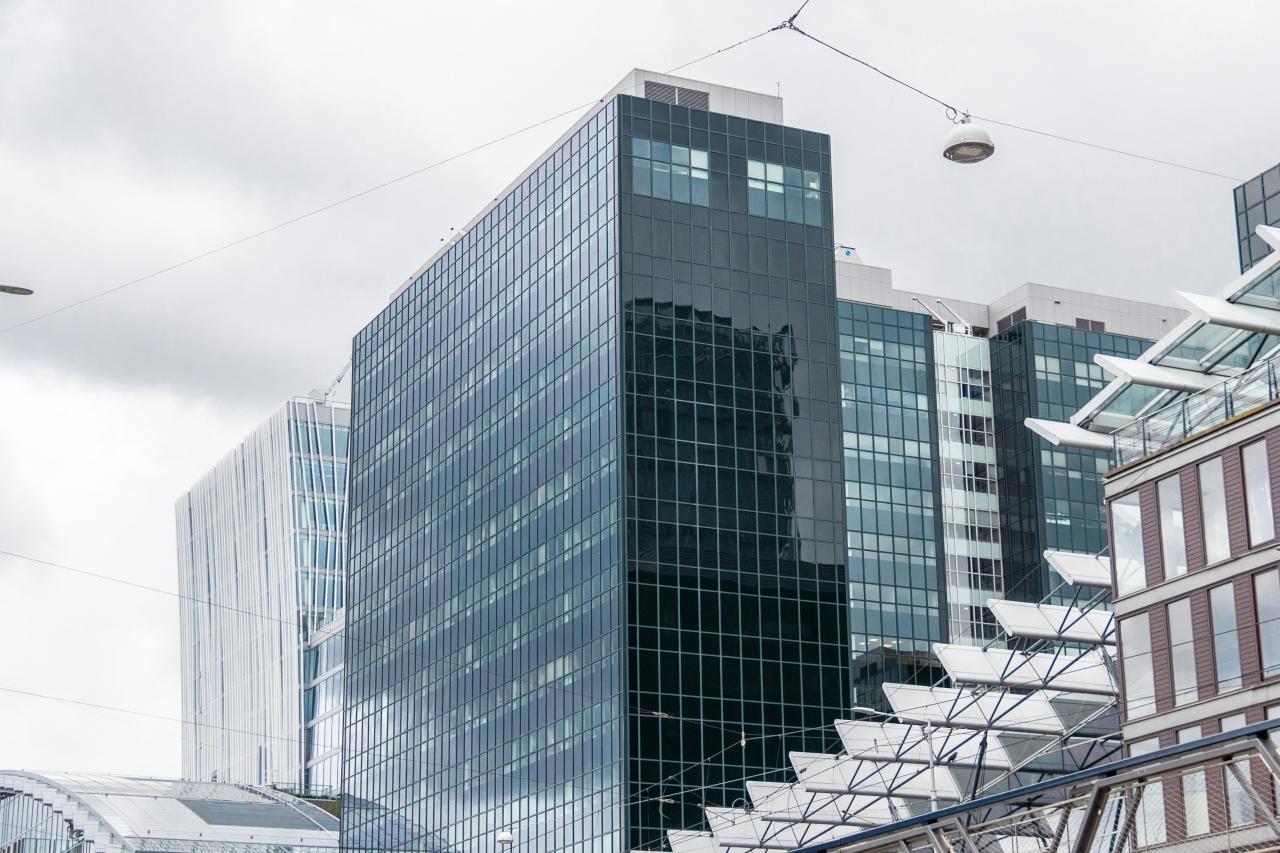
Future architectural value is determined by the synergy of sustainability and intelligence. Selecting the right regenerative material is the most critical step in design. A unified digital twin provides the seamless experience required for asset management. Enterprise grade infrastructure is the essential foundation for any resilient building.
Human centric design directly improves the productivity and well-being of occupants. Systems must be proactive and multi-layered to protect all urban participants. Invisible technology preserves the aesthetic and professional integrity of the space. Future-proofing through modular layouts protects the long-term value of the estate. Professional certification ensures the highest standards of technical and ethical performance. The future of global architecture is defined by the successful evolution of trust.

