

The rapid acceleration of global urbanization has created an urgent necessity for a radical rethink of how we design, construct, and maintain the complex environments of our modern cities. As metropolitan populations continue to swell, the traditional models of sprawling development and resource-heavy infrastructure are proving to be unsustainable both economically and environmentally for the long term. Forward-thinking urban planners and architectural firms are now pivoting toward integrated systems that prioritize ecological harmony alongside high-density functionality and social equity.
The modern city is being reimagined as a living organism where energy production, waste management, and transportation networks are seamlessly interwoven into a resilient and self-sustaining ecosystem. Investment in green infrastructure is no longer viewed as a peripheral concern but as the primary driver of real estate value and civic stability in a competitive global market. Achieving this level of transformation requires a deep understanding of advanced materials, smart grid technology, and the subtle nuances of human-centric spatial design.
Policy makers and private developers are increasingly collaborating on large-scale projects that utilize renewable energy sources and innovative water reclamation systems to minimize their carbon footprint. The goal is to create urban centers that offer a high quality of life for all residents while protecting the natural resources that sustain them for future generations. This comprehensive exploration into the mechanics of metropolitan evolution will provide a detailed roadmap for those looking to influence the physical and social landscape of the modern world.
By focusing on high-impact interventions and specialized technological integration, we can build cities that are not only efficient and productive but also profoundly beautiful and inspiring. The journey toward a truly sustainable metropolitan future is an ongoing process of innovation that demands a bold vision and a commitment to excellence in every detail. Modern urban growth must be balanced with a profound respect for the natural world and the finite resources of our planet.
Creating a resilient city requires more than just adding solar panels; it demands a total restructuring of the urban fabric to support circular economies. The most successful metropolitan projects of the coming decade will be those that view sustainability as a foundational asset rather than a regulatory burden.
Foundational Pillars of Modern Metropolitan Development
Building a world-class sustainable city requires a multi-layered approach that addresses the complex interactions between the built environment and human behavior.
A fragmented strategy often results in isolated “green” buildings that do not contribute to the overall health of the metropolitan system.
The following core strategies represent the essential pillars for creating a truly innovative and sustainable urban landscape:
A. Integrated Renewable Energy Microgrids
B. Advanced Circular Waste Management Systems
C. Smart Public Transit and Mobility Hubs
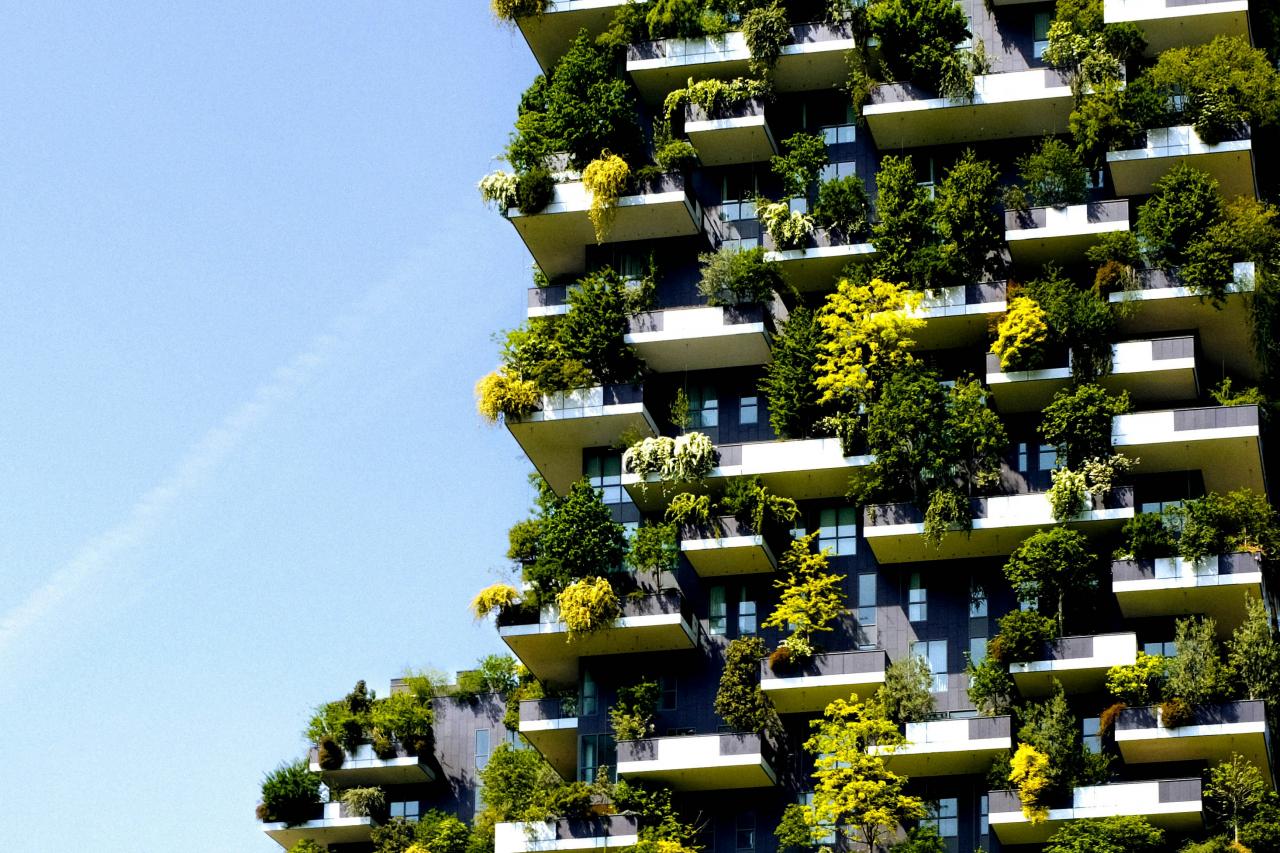
D. Vertical Forestation and Urban Green Canopies
E. Permeable Infrastructure and Stormwater Reclamation
F. Passive House Principles and Thermal Efficiency
G. Adaptive Reuse of Heritage Industrial Sites
H. Mixed-Use High-Density Zoning Frameworks
I. Digital Twin Modeling for Resource Optimization
J. Biophilic Design and Mental Wellness Integration
Integrated Renewable Energy Microgrids
A sustainable city must be capable of generating its own clean power and distributing it efficiently across various residential and commercial zones.
Integrated microgrids allow for localized energy production through a combination of solar arrays, wind turbines, and geothermal heat pumps.
This decentralized approach reduces the loss of energy during transmission and provides a resilient power source during large-scale grid failures.
Modern batteries and energy storage solutions are essential for balancing the variable output of renewable sources throughout the day and night.
Smart meters allow consumers to track their energy usage in real-time, encouraging more efficient behavior and lower utility costs.
By turning every building into a potential power plant, the city can move toward a net-zero energy status while creating a more stable economic environment.
Advanced Circular Waste Management Systems
The traditional “take-make-waste” model of consumption is being replaced by circular systems that view trash as a valuable resource for future production.
Advanced sorting facilities use robotic automation and artificial intelligence to separate materials with incredible speed and accuracy.
Organic waste can be converted into high-grade compost or biogas, providing both nutrients for urban farms and energy for the local grid.
Reducing the volume of waste sent to landfills is a primary goal for any modern metropolitan development strategy.
Policy interventions that encourage the use of biodegradable packaging and modular product design are critical for the success of these systems.
A circular approach not only protects the environment but also creates new jobs in the specialized recycling and remanufacturing sectors.
Smart Public Transit and Mobility Hubs
Reducing the reliance on private vehicles is one of the most effective ways to lower the carbon footprint of a dense urban center.
Smart transit systems utilize data to optimize bus and train schedules based on real-time passenger demand, reducing wait times and overcrowding.
Mobility hubs act as central points where different modes of transport, such as cycling, electric scooters, and rail, intersect seamlessly.
Walking and cycling infrastructure should be prioritized to create “15-minute cities” where all essential services are within a short distance of a person’s home.
Electric vehicle charging stations integrated into the public grid encourage the transition away from fossil-fuel-powered engines.
Efficient transportation is the backbone of economic productivity, allowing people and goods to move freely without the heavy cost of congestion.
Vertical Forestation and Urban Green Canopies
The concept of a “concrete jungle” is being replaced by the “vertical forest,” where trees and plants are integrated into the facades of high-rise buildings.
Urban greenery helps to mitigate the “heat island” effect, lowering the ambient temperature of the city by several degrees during the summer months.
These living walls also act as natural air filters, trapping particulate matter and producing oxygen for the residents.
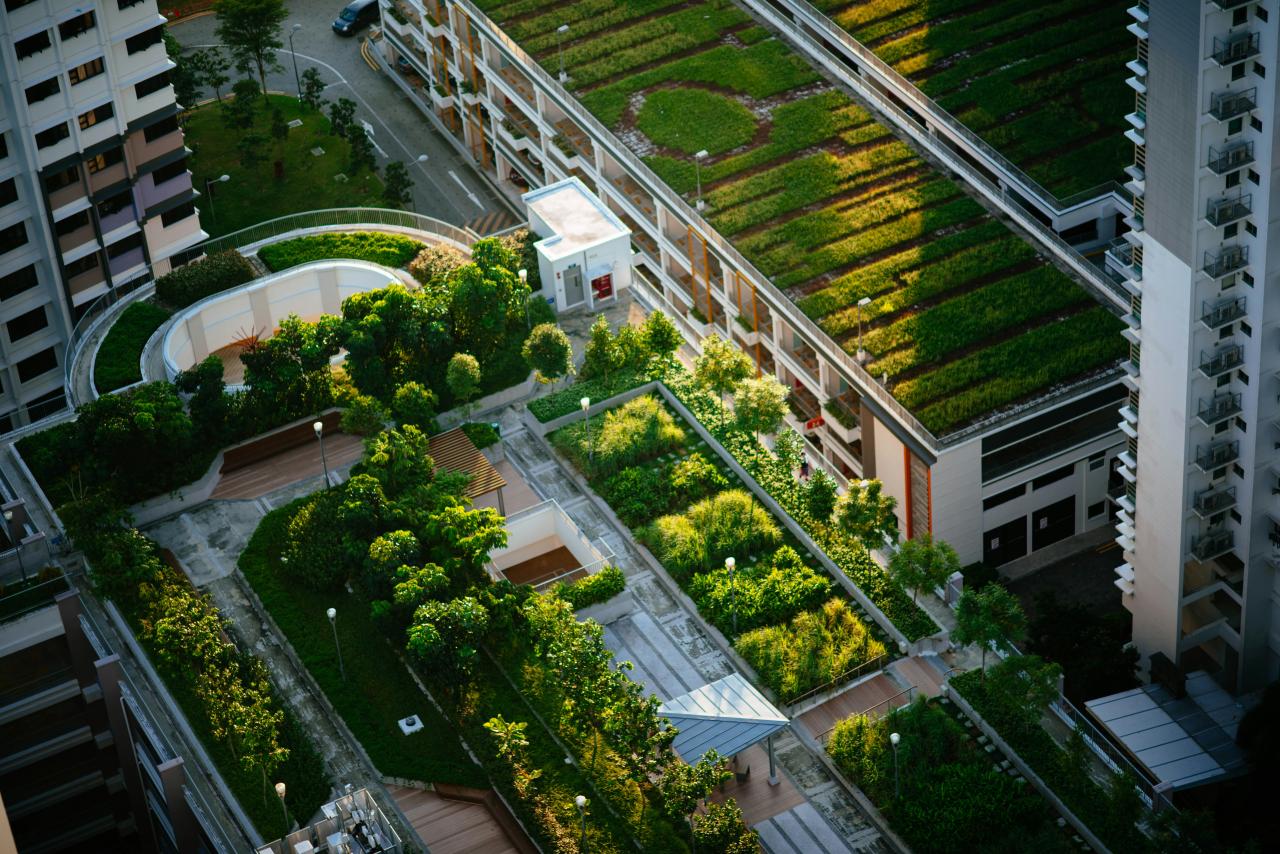
Expanding the urban tree canopy provides essential shade and improves the aesthetic beauty of metropolitan streets.
Green roofs can be used for urban agriculture, providing local produce and reducing the energy required for food transportation.
The presence of nature within the city is also linked to significant improvements in the mental health and well-being of the population.
Permeable Infrastructure and Stormwater Reclamation
As global weather patterns become more unpredictable, cities must be prepared to handle intense rainfall and prevent catastrophic flooding.
Permeable pavements and rain gardens allow water to soak back into the ground rather than overwhelming the sewer system.
This natural filtration process helps to recharge local aquifers and prevents pollutants from entering the surrounding waterways.
Reclaimed stormwater can be treated and used for non-potable purposes such as irrigation, toilet flushing, and industrial cooling.
Building large-scale underground cisterns allows the city to store excess water during the rainy season for use during periods of drought.
Sustainable water management is a critical component of metropolitan resilience and long-term food security for the region.
Passive House Principles and Thermal Efficiency
The energy used to heat and cool buildings represents a massive portion of a city’s total carbon emissions.
Passive house design focuses on high-quality insulation, airtight construction, and high-performance windows to maintain a comfortable temperature with minimal energy input.
By utilizing natural ventilation and solar orientation, these buildings can reduce their energy consumption by up to 90 percent compared to traditional structures.
Retrofitting existing buildings with modern thermal envelopes is a significant challenge but offers a massive return on investment.
Government incentives and green building certifications are driving the adoption of these high-efficiency standards in the premium real estate market.
Thermal efficiency is not just about saving the planet; it is about providing a healthier and more comfortable living environment for the occupants.
Adaptive Reuse of Heritage Industrial Sites
Rather than demolishing old factories and warehouses, modern developers are finding creative ways to repurpose these structures for contemporary use.
Adaptive reuse preserves the cultural history of the city while reducing the environmental impact associated with new construction.
These heritage sites often feature high ceilings and large windows that are perfect for creative studios, offices, and residential lofts.
The “embedded carbon” in existing structures is a valuable asset that should be utilized whenever possible to minimize waste.
Transforming industrial zones into vibrant mixed-use neighborhoods helps to revitalize neglected areas of the city and stimulate economic growth.
This approach creates a unique architectural character that distinguishes a city from the generic glass-and-steel skylines of the modern era.
Mixed-Use High-Density Zoning Frameworks
Sprawling suburbs are inefficient and costly to maintain, making high-density living the logical choice for a sustainable metropolitan future.
Mixed-use zoning allows for a blend of residential, commercial, and industrial activities within the same neighborhood or even the same building.
This reduces the need for long commutes and creates a more vibrant, 24-hour city that supports a diverse range of economic activities.
High-density development must be balanced with the provision of high-quality public spaces like parks, plazas, and community centers.
Creating “micro-neighborhoods” helps to foster a sense of belonging and social cohesion among residents.
Smart zoning is the foundation of a flexible and resilient city that can adapt to the changing needs of its population over time.
Digital Twin Modeling for Resource Optimization
A “digital twin” is a virtual replica of the city that uses real-time data to simulate various scenarios and optimize resource allocation.
Planners can use these models to test the impact of a new building on local wind patterns, sunlight, and traffic flow before construction begins.
This technology allows for a level of precision in urban management that was previously impossible for human teams to achieve alone.
Digital twins can also be used to monitor the health of critical infrastructure like bridges, tunnels, and water pipes.
By identifying potential issues before they become major problems, the city can save millions in emergency repair costs.
The integration of data into every aspect of urban planning is the hallmark of the “smart city” movement and a key driver of sustainable efficiency.
Biophilic Design and Mental Wellness Integration
The relationship between the built environment and human health is a primary focus of modern metropolitan development.
Biophilic design seeks to satisfy the innate human need for a connection to nature by incorporating natural light, water, and organic materials into buildings.
This approach has been shown to reduce stress levels, improve cognitive function, and increase overall happiness among urban dwellers.
Public spaces should be designed to encourage social interaction and physical activity to combat the isolation and sedentary lifestyle of modern city life.
Accessible green spaces provide a vital retreat for residents to relax and recharge away from the noise and chaos of the streets.
Prioritizing mental wellness in urban design is an investment in the long-term productivity and stability of the city’s human capital.
Innovative Materials and Low-Carbon Concrete
The construction industry is one of the largest contributors to global carbon emissions, primarily due to the production of cement and steel.
Researchers are developing new types of low-carbon concrete and cross-laminated timber that offer high strength with a much lower environmental impact.
Using these innovative materials allows for the construction of sustainable high-rise buildings that can actually store carbon within their structure.
Self-healing materials and modular construction techniques are also reducing the maintenance costs and waste associated with traditional building methods.
A focus on the “lifecycle” of a building ensures that materials can be easily recovered and reused at the end of their functional life.
The transition to a sustainable construction sector is a vital step toward achieving the broader goals of metropolitan development.
The Role of Public-Private Partnerships
The massive scale of metropolitan transformation requires a level of funding and expertise that no single government or company can provide alone.
Public-private partnerships allow for the sharing of risks and rewards in the development of critical infrastructure like transit systems and energy grids.
These collaborations leverage the innovation and efficiency of the private sector with the long-term vision and social goals of the public sector.
Successful partnerships require a high degree of transparency and a shared commitment to the principles of sustainability and social equity.
Innovative financing models like green bonds and carbon credits are providing the capital needed to bring these ambitious projects to life.
When the public and private sectors are aligned, the speed and impact of urban development can be significantly increased.
Future-Proofing for Climate Resilience
Cities must be designed to withstand the impacts of a changing climate, from rising sea levels to more frequent and intense heatwaves.
Future-proofing involves building flexibility into the urban system so it can adapt to new challenges as they arise.
This includes creating “floodable” public spaces that can act as temporary reservoirs during extreme weather events.
Resilient infrastructure is essential for protecting the economic and social heart of the metropolitan region.
Early warning systems and robust emergency response plans are critical components of a city’s defense against natural disasters.
A focus on resilience ensures that the city can continue to function and thrive regardless of the external challenges it may face.
Conclusion
Innovative urban design is the most powerful tool we have for creating a sustainable global future. Modern metropolitan development must prioritize the health of the environment alongside economic growth. Integrating renewable energy microgrids is a vital step toward achieving total energy independence. Circular waste systems transform the concept of trash into a valuable resource for urban production. Smart mobility hubs reduce the reliance on private vehicles and lower the city’s total carbon footprint.
Vertical forests and urban green canopies mitigate heat and improve the air quality for all residents. Permeable infrastructure protects the city from flooding while reclaiming precious water resources. Passive house principles ensure that the built environment is thermally efficient and comfortable. Adaptive reuse of heritage sites preserves cultural history while minimizing the impact of new construction. Sustainable cities are not a luxury but a fundamental necessity for the survival of our modern civilization.

