Redefining Life in Modern Cities
For centuries, cities have stood as the epicenters of human civilization—beacons of innovation, culture, and economic opportunity. Yet, this promise has often been shadowed by a stark reality: overwhelming traffic, widespread pollution, and a growing disconnect from nature. These challenges have led many to question whether urban life is truly sustainable. Today, however, a new vision is taking hold, one driven by a blend of cutting-edge technology, sustainable design, and a renewed focus on community. Urban living is no longer just a given; it’s a deliberate and ongoing reinvention of the urban experience itself. This paradigm shift is transforming the way we design, build, and interact with our surroundings, promising a future where cities are not just functional, but truly livable, vibrant, and resilient.
This transformation is fueled by a collective global desire to build smarter, greener, and more inclusive communities. It’s a direct response to the twin pressures of rapid urbanization and climate change, where the old models of city planning—often centered on the automobile and industrial zones—are no longer tenable. The new urban vision prioritizes human well-being, ecological balance, and social equity, creating spaces that are not just places to live but integrated ecosystems that foster a better quality of life for everyone.
The Foundational Principles of the New Urban Vision
The evolution of urban living is built on several key principles that are redefining how cities are planned and developed. These concepts work together to create a more integrated, harmonious, and sustainable urban environment.
A. Sustainable and Resilient Infrastructure
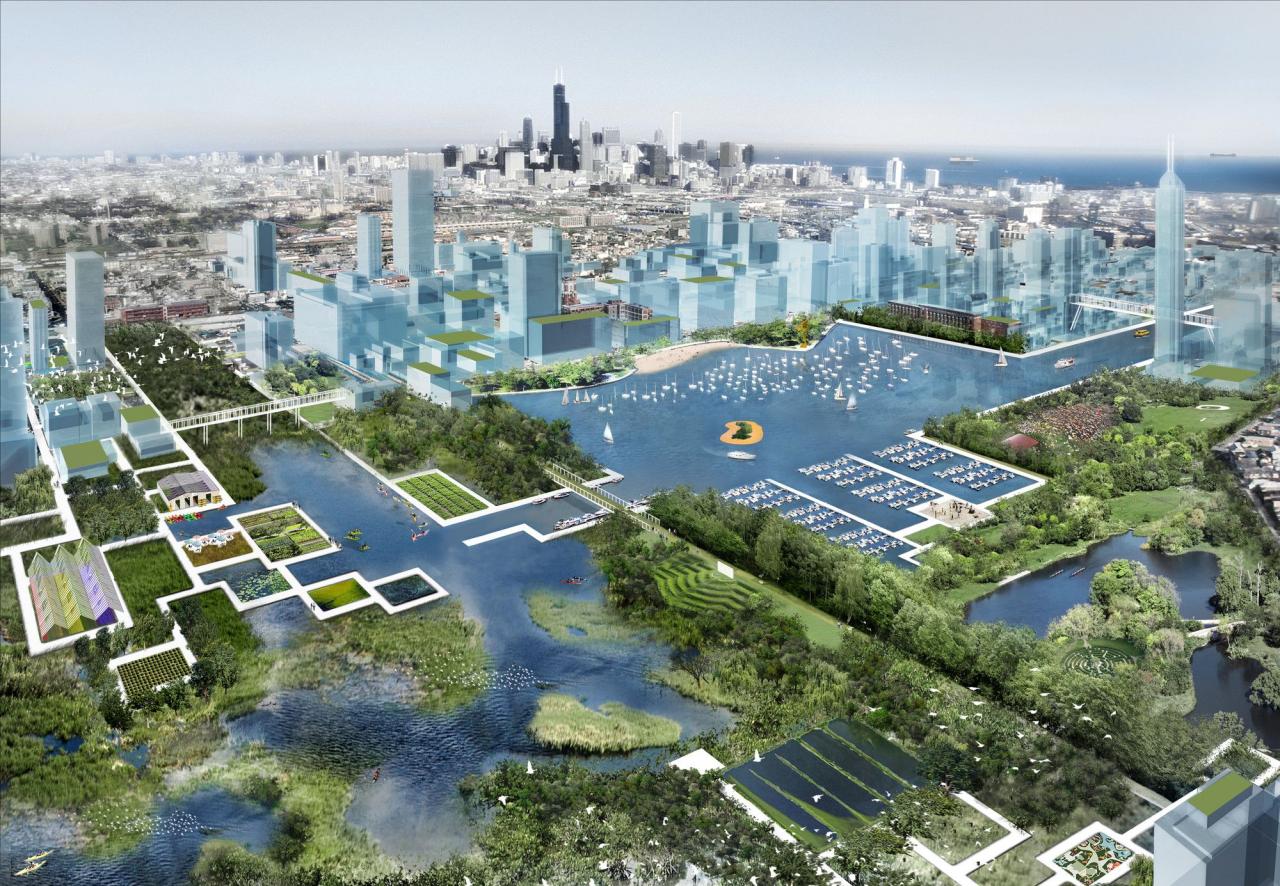
The cities of the future will be built on a robust foundation of sustainability. This goes far beyond adding a few parks; it’s about a holistic approach to energy, water, and waste management, creating systems that are both self-sufficient and regenerative.
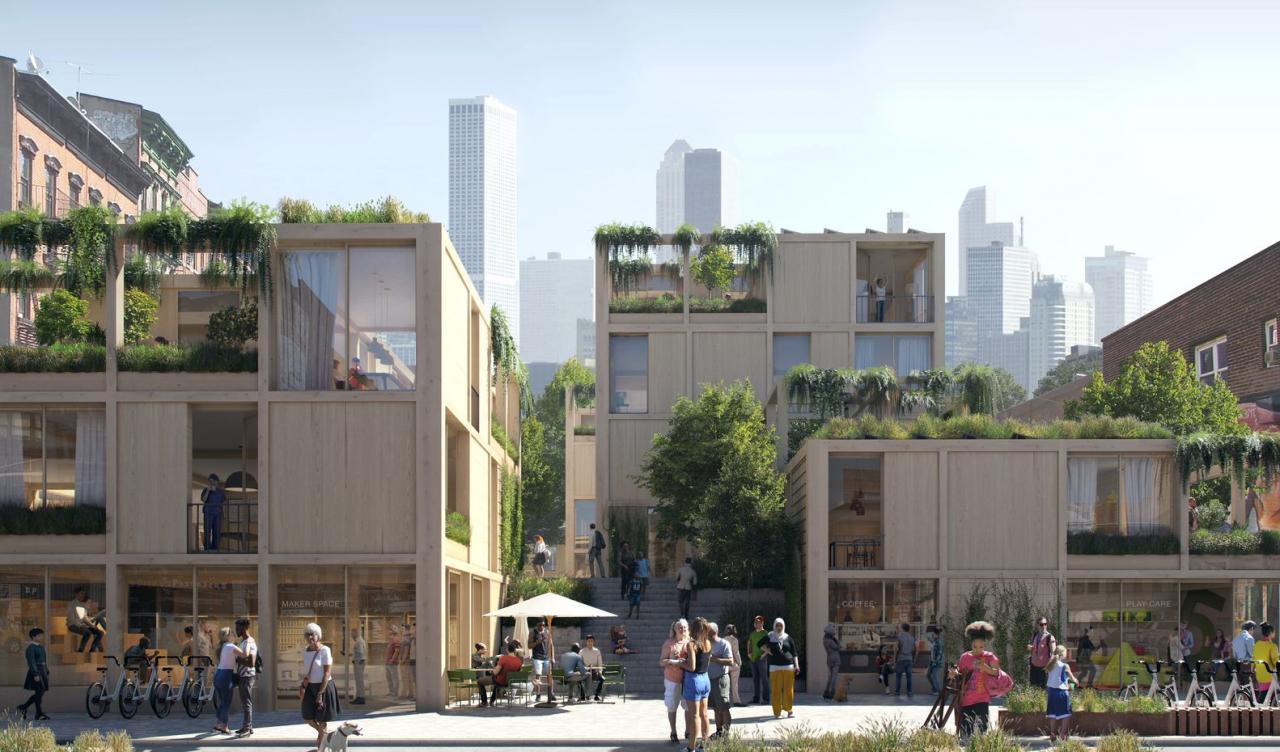
- Green Buildings and Living Infrastructure: New developments are integrating passive design principles, such as optimizing a building’s orientation to reduce energy needs, incorporating green roofs to manage stormwater runoff, and using advanced insulation. Buildings are becoming more than just structures; they are active participants in the urban ecosystem, helping to clean the air, reduce the urban heat island effect, and conserve resources.
- Smart Grids and Energy Efficiency: The traditional, centralized energy grid is being replaced by a more decentralized, intelligent system. AI-powered smart grids are optimizing energy distribution in real-time, while smart sensors in homes and commercial buildings help residents and businesses reduce consumption. This is a crucial move toward an energy system that is both efficient and reliant on renewable sources.
- The Circular Economy: Urban planners are designing cities to operate on a closed-loop system, where waste is minimized and resources are endlessly reused. This includes everything from recycling and upcycling building materials to creating integrated systems for managing food waste through local composting and biogas plants.
B. Mobility Redefined: The 15-Minute City Model
The car-centric model of urban design, which has dominated for decades, is being replaced by a vision that prioritizes human-scale transport. The concept of the “15-minute city” is a powerful framework for this change, envisioning a future where everything you need for daily life—work, school, groceries, healthcare, and recreation—is just a short walk or bike ride away.
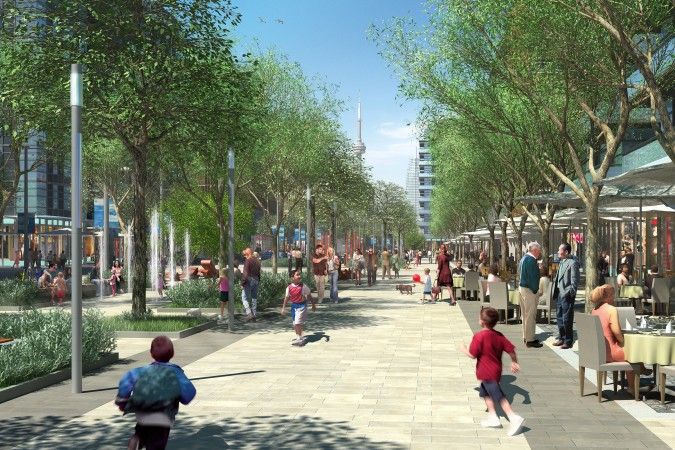
- Pedestrian and Cyclist-First Design: Streets are being redesigned to be more than just thoroughfares for vehicles. They are being transformed with wider, safer sidewalks, dedicated and protected bike lanes, and fewer traffic lanes. The goal is to make walking and cycling not just an option, but the most convenient and enjoyable mode of transport for short distances.
- Integrated and Intelligent Public Transit: Smart public transit systems, from high-speed rail lines to autonomous electric shuttles and on-demand micro-transit, are being integrated to make long-distance travel within the city seamless and efficient. Real-time data and mobile apps make it easier than ever for residents to navigate without a personal car.
- Shared Mobility and the End of Private Ownership: The rise of car-sharing services, e-scooter rentals, and bike-sharing programs is providing flexible, on-demand alternatives to the high cost and environmental burden of private vehicle ownership.
C. The Deep Integration of Technology and Data
Technology is the engine driving the new urban vision, providing urban planners with unprecedented tools to create more efficient and responsive cities. Data analytics, the Internet of Things (IoT), and artificial intelligence (AI) are no longer futuristic concepts; they are the new reality of city management.
- Smart Urban Systems: IoT sensors embedded in everything from public transit to waste bins are monitoring a city’s pulse in real-time. This data is used to optimize traffic flow, alert sanitation crews to full bins, and even provide early warnings for air pollution spikes.
- Predictive Urban Planning: AI algorithms can analyze historical data to predict patterns in population growth, traffic congestion, and resource consumption. This allows planners to make proactive, data-driven decisions and design for future needs, rather than reacting to current problems.
- Digital Twins: Creating a “digital twin” of a city—a virtual, dynamic replica of the physical environment—allows planners to simulate the impact of new projects, from a new park to a high-rise building, before they are ever built. This minimizes risks, optimizes outcomes, and ensures that new developments fit seamlessly into the existing urban fabric.
D. Community and Social Connection
At the heart of this new urban vision is a powerful focus on people and the spaces that bring them together. After decades of suburban sprawl and isolated living, cities are being redesigned to foster social interaction and a strong sense of community.
- Mixed-Use Development: The old model of separating residential, commercial, and retail zones is being replaced by integrated neighborhoods where people can live, work, and play in the same area. This encourages spontaneous social interaction, supports local businesses, and drastically reduces the need for long commutes.
- Shared and Public Spaces: The new urban landscape features more public squares, community gardens, and shared green spaces. These areas serve as the social hubs of a neighborhood, providing welcoming places for people to gather, relax, and connect.
- Equitable and Accessible Design: The new vision actively addresses the challenge of housing affordability and accessibility by promoting a variety of housing types and ensuring that city centers remain accessible to a diverse range of residents. This is critical for fostering a vibrant and inclusive community.
The Promise of a Better Future
The reinvention of urban living is not just about making cities more efficient; it’s about making them better places to live. A well-designed city can have a profound impact on the well-being of its residents, from reducing stress and improving physical health to fostering a stronger sense of belonging. The cities of the future will be more resilient to the impacts of climate change, more inclusive of all residents, and more in tune with the needs of their communities. The challenges are immense, from securing political will to funding massive infrastructure projects, but the potential rewards—a truly livable and sustainable urban future—are too great to ignore.
This new vision of urban living is a testament to human creativity and our capacity to adapt. It is a journey from the old, industrial model of a city to a new, living ecosystem—one that is smarter, greener, more equitable, and, most importantly, centered on the human experience. As more cities embrace these principles, we will begin to see a future where urban living is not just a necessity, but a genuine source of inspiration, health, and fulfillment.

