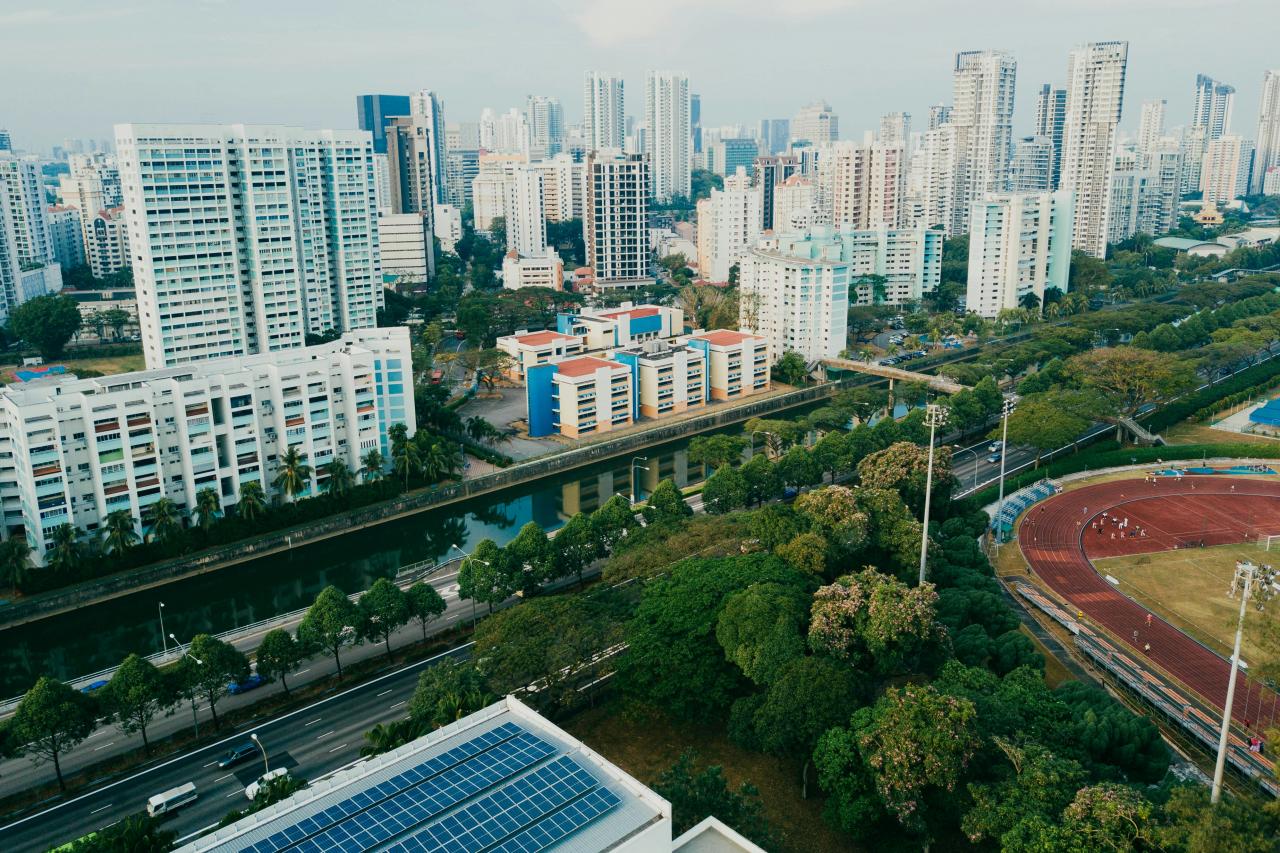
The rapid expansion of global urban centers has created an urgent need for a fundamental rethink of how we design, build, and maintain our metropolitan environments. For decades, city planning focused almost exclusively on efficiency and growth, often ignoring the long-term environmental impacts and the increasing threat of climate-related disasters. Today, the concept of resilient infrastructure has moved from the fringes of academic debate to the center of global urban policy as we face unprecedented challenges. Building a sustainable future city requires more than just green spaces; it demands a robust integration of advanced technology, flexible engineering, and social equity. This shift involves creating systems that can absorb shocks—whether from extreme weather, economic downturns, or health crises—and bounce back stronger than before.
Architects and urban planners are now looking at cities as living organisms that must breathe, adapt, and evolve in harmony with their natural surroundings. The transition to this new model is complex and expensive, but the cost of inaction is far higher for the billions of people who call cities home. This article will explore the multifaceted layers of resilient infrastructure, from smart energy grids to nature-based solutions that define the next generation of urbanism. We are moving toward an era where the strength of a city is measured not just by the height of its skyscrapers, but by its ability to protect and sustain its citizens for generations.
The Foundation of Urban Resilience
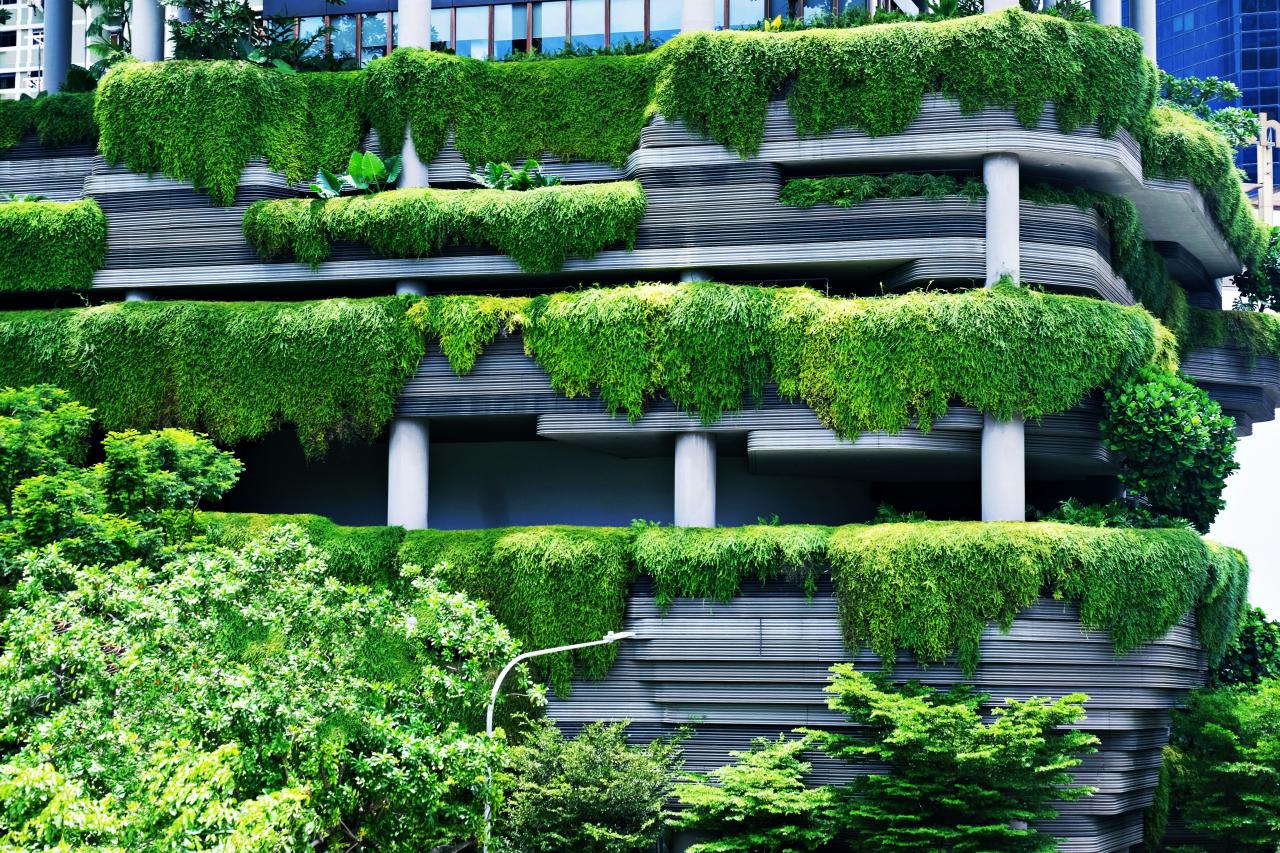
Resilience in an urban context refers to the capacity of individuals, communities, and systems to survive and thrive despite chronic stresses and acute shocks. It is the backbone of any city that hopes to survive the environmental shifts of the coming decades.
Traditional infrastructure was “rigid,” designed to withstand a specific level of force before failing completely. Resilient infrastructure is “modular,” designed to bend without breaking and to maintain essential functions during a crisis.
A. Redundancy in Critical Systems
A resilient city does not rely on a single source of power or water. By creating multiple overlapping systems, planners ensure that if one node fails, the rest of the network can compensate and continue operating.
B. Flexibility and Adaptive Design
Buildings and bridges are now being designed to serve multiple purposes over their lifespan. A parking garage today might be engineered with the ceiling height and plumbing necessary to be converted into affordable housing or office space tomorrow.
C. Durability of Modern Materials
Engineers are moving away from traditional concrete toward self-healing materials and carbon-absorbing composites. These advanced substances extend the life of infrastructure while reducing the environmental footprint of new construction projects.
D. Interconnectedness of Services
Modern resilience requires that transportation, energy, and communication systems “talk” to one another. This integrated approach allows for real-time adjustments, such as rerouting traffic automatically during a localized flood or power surge.
E. Resource Decoupling
Resilient cities aim to decouple economic growth from resource consumption. This means using circular economy principles to ensure that waste from one urban process becomes the raw material for another.
Smart Grids and Decentralized Energy
The energy grid is the nervous system of the city, and traditional centralized grids are becoming increasingly vulnerable. A single tree falling on a high-voltage line can plunge an entire region into darkness.
The future of urban energy lies in “Microgrids”—localized energy systems that can operate independently from the main grid. These systems often rely on renewable sources and high-capacity battery storage to provide local stability.
A. Integration of Renewable Energy Sources
Solar panels and wind turbines are being woven into the fabric of the city, from rooftops to window glass. This distributed generation reduces the distance energy has to travel, minimizing loss and increasing reliability.
B. Smart Metering and Demand Response
Smart grids use AI to predict when energy demand will spike and adjust distribution accordingly. This prevents blackouts and encourages citizens to use power during off-peak hours through dynamic pricing models.
C. Battery Storage and Energy Hoarding
Large-scale battery installations allow cities to store excess energy generated during sunny or windy days. This “banked” power can then be released during emergencies or peak usage times to maintain a steady flow.
D. Waste-to-Energy Systems
Modern cities are looking at their trash as a fuel source. By using advanced thermal treatment, non-recyclable waste can be converted into electricity and heat, solving two urban problems with one solution.
E. Electric Vehicle (EV) Grid Integration
Parked electric vehicles can act as a massive, distributed battery for the city. “Vehicle-to-Grid” technology allows the city to pull power from car batteries during a crisis and recharge them when the grid is stable.
Nature-Based Solutions and Blue-Green Infrastructure
Concrete is “grey” infrastructure, but nature provides “green” and “blue” infrastructure that is often more effective and cheaper to maintain. This approach uses natural elements like wetlands, parks, and rivers to manage urban challenges.
Instead of fighting against water, resilient cities learn to “live with it.” By creating spaces that are designed to flood safely, we protect the areas where people live and work.
A. Sponge City Concepts
Permeable pavements and rain gardens allow rainwater to soak into the ground rather than overwhelming the sewer system. This recharges local aquifers and prevents the “urban heat island” effect.
B. Urban Forests and Canopy Cover
Planting millions of trees does more than just make a city look beautiful. Trees provide natural cooling, improve air quality, and reduce the energy needed for air conditioning in nearby buildings.
C. Restoration of Coastal Wetlands
For coastal cities, mangroves and salt marshes are the best defense against storm surges. These natural buffers absorb the energy of the waves much better than expensive concrete sea walls.
D. Rooftop Gardens and Vertical Forests
Green roofs act as insulation for buildings and provide habitats for urban wildlife. They also capture rainwater, reducing the volume of runoff that enters the city’s drainage system during heavy storms.
E. Daylighting Buried Rivers
Many cities previously buried their streams in concrete pipes. “Daylighting” involves uncovering these rivers to create natural drainage corridors and public parks that improve the local microclimate.
Resilient Transportation and Mobility
A city that cannot move is a city that cannot function. Resilient transportation goes beyond just fixing potholes; it involves creating a “multimodal” network that offers people many ways to get around.
If a subway line fails, a resilient city has bus rapid transit and bike lanes ready to take the load. This variety ensures that the workforce can always reach their destination, maintaining economic stability.
A. Transit-Oriented Development (TOD)
By building high-density housing and offices around transit hubs, cities reduce the reliance on private cars. This makes the city more compact, efficient, and easier to evacuate during an emergency.
B. Active Transportation Networks
Dedicated lanes for cycling and walking are low-cost, high-resilience infrastructure. They continue to work even when the power is out or when fuel supplies are disrupted.
C. Autonomous and Shared Mobility
Self-driving shuttles can be redeployed instantly to areas where transportation is lacking. Shared mobility reduces the total number of vehicles on the road, freeing up space for green infrastructure.
D. Hardening Public Transit Infrastructure
Subway entrances are being raised to prevent flooding, and bus depots are being moved to higher ground. These “hard” upgrades ensure that public transit is the first thing back online after a disaster.
E. Smart Logistics and Last-Mile Delivery
Resilient cities optimize the flow of goods using micro-hubs and electric cargo bikes. This ensures that food and medical supplies can reach every neighborhood even when main roads are blocked.
The Role of Digital Twins and Big Data
We cannot manage what we do not measure. Resilient cities use “Digital Twins”—virtual replicas of the physical city—to test different scenarios and predict how infrastructure will react to stress.
By feeding real-time data from sensors into these models, city managers can see a flood or a traffic jam before it happens. This allows for proactive maintenance rather than reactive repairs.
A. IoT Sensor Networks for Infrastructure Monitoring
Sensors placed on bridges, pipes, and buildings monitor structural health 24/7. They can detect tiny cracks or leaks long before they become catastrophic failures, saving lives and money.
B. Predictive Analytics for Disaster Response
AI models analyze historical weather data to predict which neighborhoods are most at risk during the next storm. This allows emergency services to pre-position resources where they will be needed most.
C. Public Data Dashboards
Transparency is a form of resilience. By sharing real-time data with the public, cities empower citizens to make better decisions about when to travel or how to conserve energy during a peak.
D. Cybersecurity for Urban Systems
As infrastructure becomes more digital, it also becomes a target for hackers. Protecting the city’s digital “architecture” is now just as important as protecting its physical bridges.
E. Crowdsourced Data and Citizen Reporting
Apps that allow citizens to report potholes, broken lights, or flooding turn every resident into a sensor. This massive influx of data helps the city fix small problems before they grow into large ones.
Circular Economy and Waste Management
A sustainable city cannot follow a “take-make-waste” model. Resilient infrastructure must include advanced waste management systems that treat trash as a valuable resource.
The goal is a “Zero Waste” city where almost everything is reused, recycled, or composted. This reduces the city’s dependence on outside resources and minimizes its environmental impact.
A. Automated Vacuum Waste Collection
Underground pipes can suck trash from buildings directly to a processing center. This removes garbage trucks from the streets, reducing traffic, noise, and carbon emissions.
B. Distributed Composting and Organic Recovery
By processing food waste at the neighborhood level, cities create high-quality fertilizer for urban farms. This localized loop keeps nutrients within the city and reduces the cost of waste transport.
C. Mining the Urban Environment
Old buildings and infrastructure are seen as “mines” for steel, copper, and glass. When something is demolished, the materials are carefully sorted and reused in new construction projects.
D. Water Reclamation and Greywater Reuse
Resilient cities treat wastewater as a source of fresh water and energy. Greywater from sinks and showers can be filtered and used for irrigation or flushing toilets, reducing the demand on the main supply.
E. Plastic Roads and Recycled Construction
Recycled plastics and rubber are being mixed into asphalt to create roads that are more durable and flexible. This keeps plastic out of the ocean and creates a market for recycled materials.
Social Resilience and Equitable Infrastructure
Physical infrastructure is useless if the social fabric of the city is weak. Resilient cities prioritize “equity,” ensuring that every neighborhood—regardless of income—has access to high-quality services.
Social resilience involves building strong community bonds and ensuring that vulnerable populations are protected. When people know their neighbors and have access to local community centers, they are more likely to survive a crisis.
A. Affordable Housing in Resilient Zones
Low-income residents are often pushed into the most flood-prone or polluted areas. Resilient planning involves building high-quality, affordable housing in safe, well-connected parts of the city.
B. Community Resilience Hubs
Libraries and schools are being upgraded to serve as “hubs” during disasters. They are equipped with solar power, backup water, and medical supplies to support the local neighborhood when the grid fails.
C. Universal Access to High-Speed Internet
Digital connectivity is now a basic human right. Ensuring that every citizen has internet access allows for remote work, education, and emergency communication during a shutdown.
D. Public Spaces as Cooling Centers
During heatwaves, public parks and shaded plazas serve as vital refuges. Designing these spaces with “water misters” and natural shade ensures that the elderly and children stay safe in rising temperatures.
E. Inclusive Decision-Making Processes
Resilient cities involve citizens in the design of their infrastructure. When the community has a say in how their neighborhood is built, they are more likely to maintain and protect those assets.
Financing the Future: The Economics of Resilience
Building resilient cities requires a massive amount of capital. However, for every dollar spent on resilience, cities save an average of six dollars in future disaster recovery costs.
New financial tools, such as “Green Bonds” and “Resilience Credits,” are being used to attract private investment into public infrastructure. This allows cities to fund large-scale projects without overwhelming their taxpayers.
A. Public-Private Partnerships (PPP) for Green Tech
Governments are working with private tech firms to build smart grids and EV networks. The private sector provides the innovation and capital, while the public sector ensures the services are accessible to all.
B. Insurance Premium Incentives
Insurance companies are starting to offer lower rates to property owners who invest in resilience. This creates a powerful financial incentive for developers to build higher-quality, safer buildings.
C. Resilience Surcharges and Impact Fees
New developments that place a high load on the city’s systems may be charged a fee to fund infrastructure upgrades. This ensures that those who profit from growth also contribute to the city’s stability.
D. Carbon Markets and Urban Credits
Cities that successfully reduce their carbon footprint through green infrastructure can sell “credits” on the global market. This provides a new stream of revenue for further sustainable development.
E. The Cost of Inaction: Economic Risk Assessments
Investors are now looking at the “climate risk” of cities before buying bonds or building offices. Cities that ignore resilience will find it increasingly difficult to attract the capital they need to grow.
The Role of Policy and Governance
Technology and money are not enough; we need strong leadership and smart laws. Resilient cities require a “long-term” mindset that looks beyond the next election cycle.
Zoning laws and building codes must be updated to reflect the reality of a changing climate. This might mean banning construction in flood plains or requiring every new building to have a green roof.
A. Update to Climate-Responsive Building Codes
Codes must be dynamic, changing as the climate data changes. This ensures that new structures are built to withstand the heatwaves and storms of the future, not just the past.
B. Regional Cooperation and Watershed Management
Cities don’t exist in a vacuum. Resilient governance involves working with neighboring towns to manage shared resources like rivers and forests that cross political borders.
C. Mandatory Resilience Audits for Public Assets
Every bridge and school should be regularly audited for its “resilience score.” This helps city managers prioritize which projects need the most urgent attention.
D. Incentivizing Private Sector Innovation
Governments can offer tax breaks or faster permitting for developers who use sustainable materials or include public parks in their designs. This speeds up the transformation of the city.
E. Education and Public Awareness Campaigns
A resilient city requires resilient citizens. Teaching people how to save water, reduce waste, and prepare for emergencies makes the entire system more robust.
The Path Forward: Towards a Living City
The cities of the future will not be static collections of stone and steel. They will be flexible, intelligent, and deeply connected to the natural world.
As we move toward this vision, the definition of “infrastructure” is expanding to include everything from the internet to the soil under our feet. This holistic approach is the only way to build a truly sustainable future.
A. The Transition from “Grey” to “Green”
The most successful cities will be those that find the perfect balance between high-tech engineering and low-tech nature-based solutions. This hybrid approach is both cost-effective and aesthetically pleasing.
B. Scaling Success: From Pilots to Global Standards
While many of these projects are currently “pilots,” they must quickly become the global standard. Sharing knowledge between cities through networks like C40 or ICLEI is essential for rapid change.
C. The Human-Centric Design Philosophy
At the end of the day, cities are for people. Resilient infrastructure must serve to improve the quality of life, health, and happiness of the urban population.
D. Embracing Continuous Evolution
A resilient city is never “finished.” It must constantly monitor its performance and adapt to new challenges as they arise, whether they are environmental, technological, or social.
E. Building a Legacy for Future Generations
The choices we make today about our infrastructure will shape the world for the next hundred years. Building with resilience is an act of responsibility toward the children who will inherit our urban world.
Conclusion
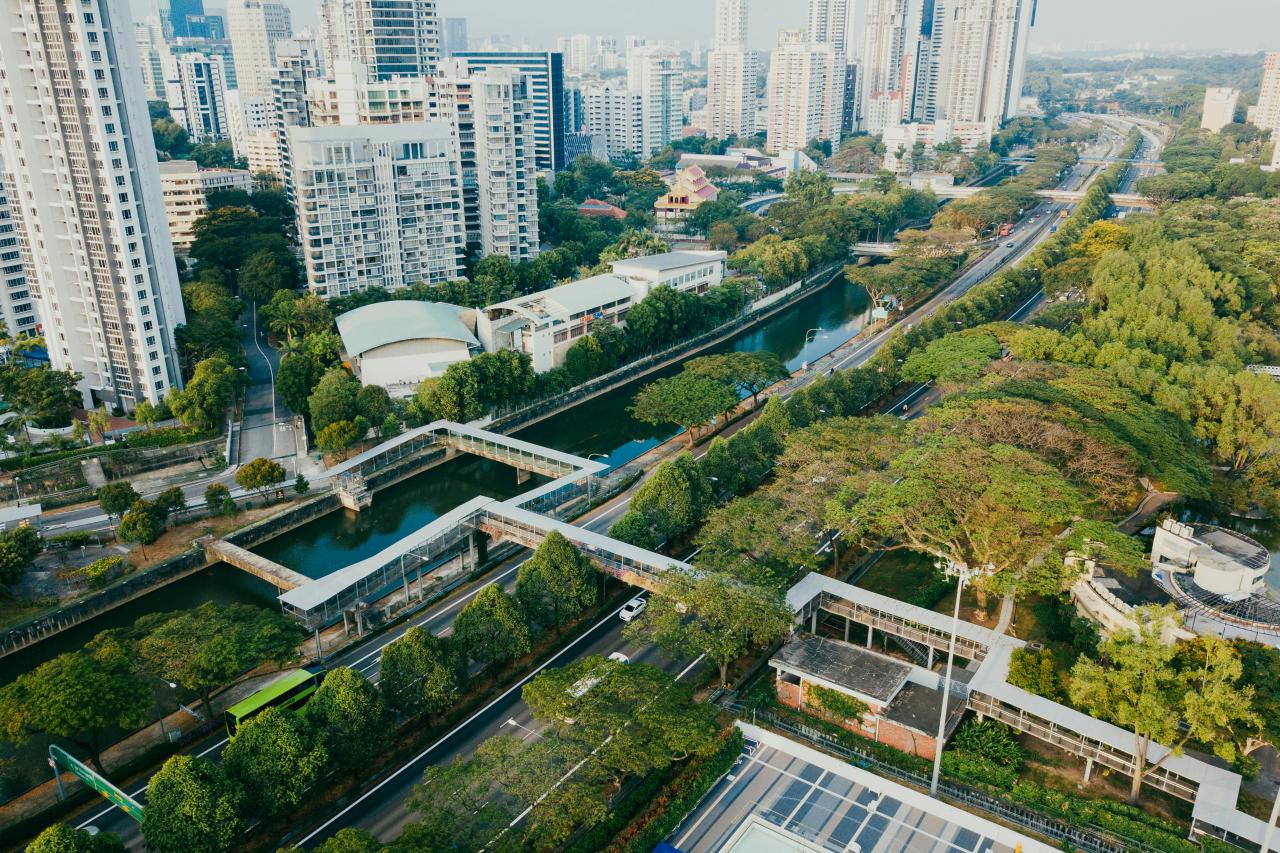
Resilient infrastructure is the fundamental requirement for the survival of our modern urban society. Sustainable cities must move away from rigid designs and embrace flexible and modular engineering systems. The integration of smart grids and decentralized energy ensures that the city stays powered during crises. Nature-based solutions provide a low-cost and highly effective way to manage the impacts of climate change. Investment in resilient transportation is essential for maintaining the economic flow of a metropolitan area. Digital twins and big data allow city managers to predict and prevent infrastructure failures before they occur.
A circular economy model transforms the city’s waste into a valuable resource for future construction and energy. True urban resilience is impossible without a focus on social equity and protecting vulnerable populations. Financing these large-scale projects requires a creative mix of public policy and private sector investment. Strong governance and updated building codes are the legal framework that makes a resilient city possible. The future city is a living organism that adapts in real-time to the needs of its environment and citizens. Building with a long-term mindset saves billions of dollars in future disaster recovery and maintenance costs. The journey toward urban resilience is a global effort that requires collaboration across all sectors of society.

