Redefining Design with Parametric Thinking
In the world of architecture and design, a quiet but profound revolution is underway. The traditional methods of sketching and drawing, once the bedrock of the creative process, are giving way to a new paradigm defined by algorithms, data, and a flexible, non-linear approach. This is the era of parametric design, a methodology that is fundamentally changing how we conceive, create, and construct everything from towering skyscrapers to intricate furniture. It’s not just a software tool; it’s a new way of thinking that empowers designers to explore an almost infinite number of variations, optimize for performance, and bring to life forms that were once considered impossible.
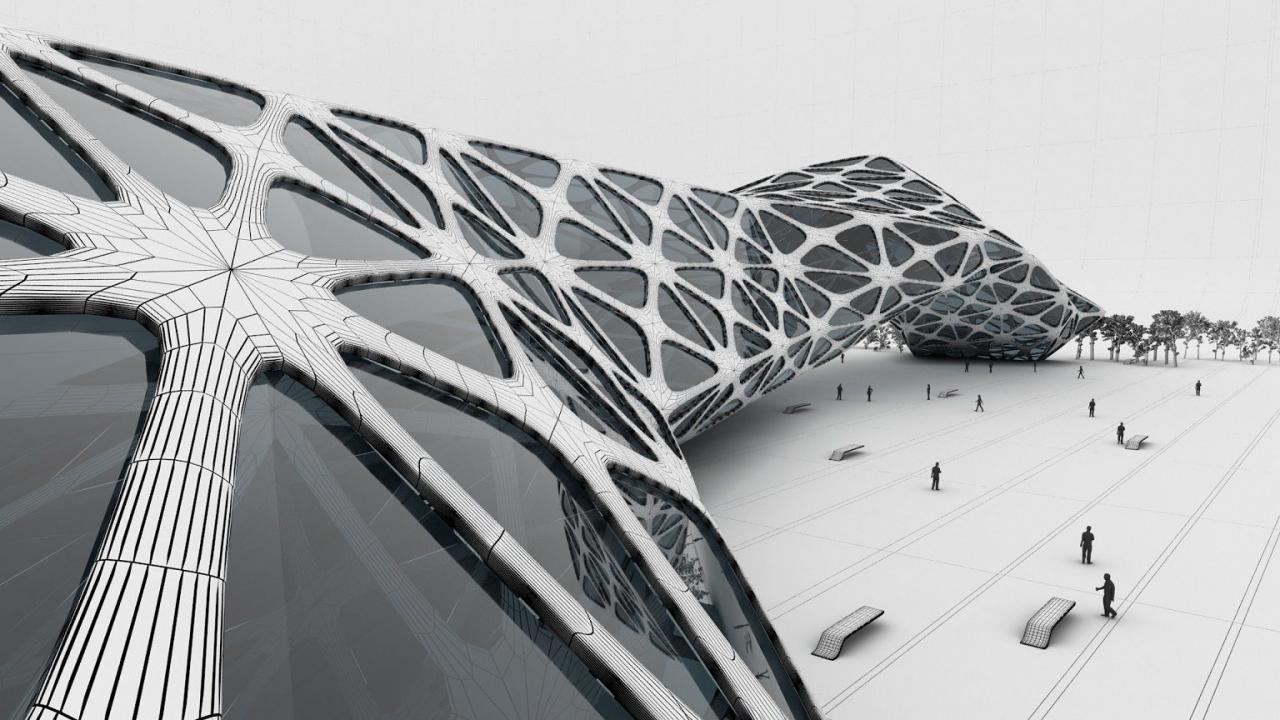
Parametric design moves beyond the static, fixed-form approach of conventional design. Instead of drawing a shape, a designer defines a set of rules, or parameters, that govern the shape’s creation. By changing a single parameter—such as the angle of a facade or the size of a window—the entire design automatically adjusts. This dynamic and responsive process allows for an unprecedented level of control, precision, and creative exploration. It enables a shift from a reactive design process to a proactive, data-driven one, where forms are generated not just for aesthetic appeal, but for their performance in real-world conditions.
Core Principles of Parametric Design
Understanding parametric design means grasping its foundational concepts. These principles are what separate it from traditional 3D modeling and empower designers to create complex, intelligent geometries.
A. The Rule-Based Approach
At its heart, parametric design is a system of rules. A designer doesn’t draw a static object; they write a “recipe” for an object. This recipe consists of parameters and their relationships.
- Parameters as Variables: A parameter can be anything—a length, an angle, a material property, or even a data point from the real world, like solar radiation or wind speed. These parameters act as variables in an equation.
- Algorithmic Logic: The designer defines the relationships between these variables. For example, a designer might create a rule that says, “The height of this facade panel must be proportional to the amount of sunlight it receives.” The software then automatically generates the geometry based on this logic.
- Iterative Exploration: This rule-based system allows for rapid iteration. A designer can change one parameter and instantly see how it affects the entire design. This allows for a speed of exploration that is impossible with traditional methods.
B. Optimization and Performance
One of the most powerful applications of parametric design is its ability to optimize a design for performance. Instead of just looking good, a building designed parametrically can also be highly efficient.
- Structural Integrity: Designers can use parametric models to test a structure’s resistance to forces like wind and seismic activity. The software can automatically adjust the shape and thickness of structural elements to achieve the optimal balance of strength and material use.
- Environmental Analysis: Parametric tools can simulate a building’s performance in its environment. A designer can optimize a facade’s geometry to maximize natural light while minimizing solar heat gain, leading to a more energy-efficient and comfortable building.
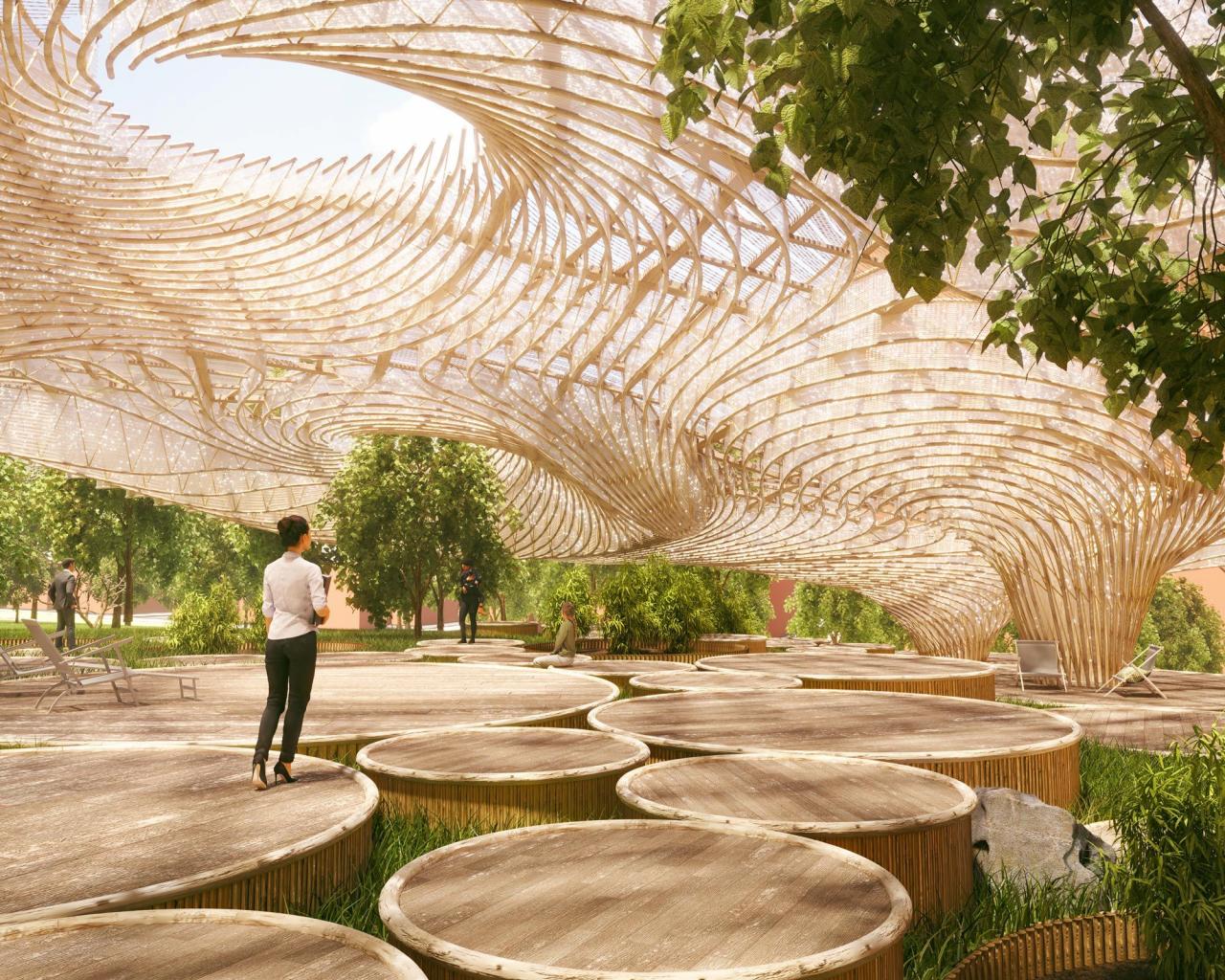
- Material Efficiency: By using algorithms to generate complex, non-repeating patterns, parametric design can significantly reduce material waste. The software can calculate the most efficient way to cut panels or form complex shapes, leading to both cost savings and a smaller environmental footprint.
C. The Interplay of Form and Data
Parametric design thrives on the integration of external data. It’s a methodology that allows a building to be “smart” long before construction even begins.
- Data-Driven Form Generation: A building’s shape can be directly influenced by data. For example, a sound barrier along a highway could be parametrically designed to be thicker in areas with more noise. A facade could be designed to respond to the sun’s path, with louvers that automatically adjust throughout the day to maximize shade.
- Integration with BIM: Parametric models can be seamlessly integrated with Building Information Modeling (BIM) software. This creates a rich, data-filled model where a change in a single parameter—like the type of glass used—can automatically update cost estimates, energy performance data, and construction schedules.
- From Digital to Physical: The complex forms generated by parametric tools are not just beautiful digital renderings; they are directly translatable into real-world objects using advanced manufacturing techniques like 3D printing, laser cutting, and CNC milling. This creates a seamless workflow from concept to construction.
The Impact on the Design Industry
Parametric design is more than a technical skill; it’s a cultural shift that is reshaping the role of the designer.
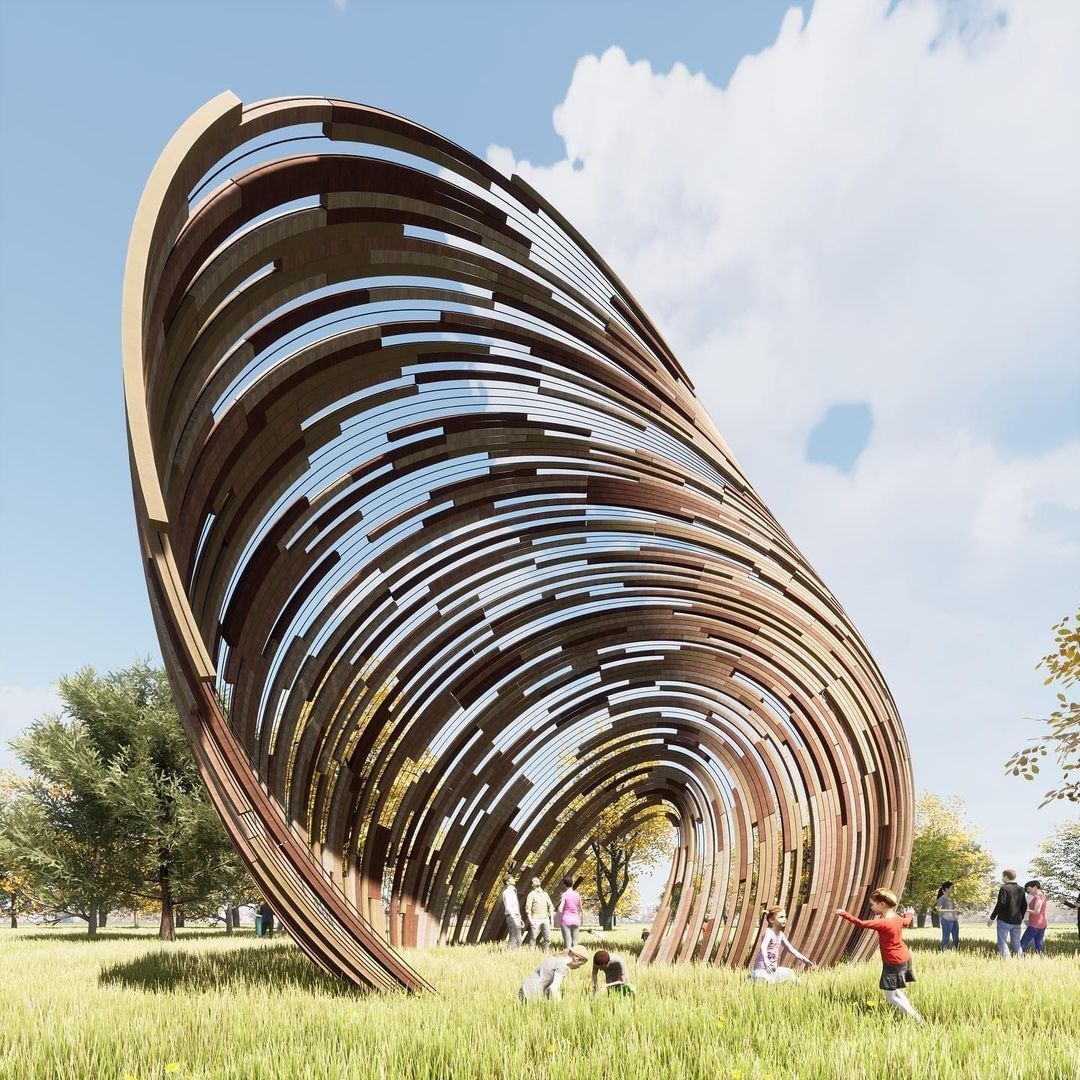
- New Aesthetics: The visual language of parametric design is often characterized by its fluidity, complexity, and organic forms. This has given rise to a new architectural style that departs from the rigid geometries of modernism.
- Enhanced Collaboration: Because a parametric model is a single source of truth, it fosters a more collaborative environment. Architects, engineers, and fabricators can work from the same model, with changes in one area automatically updating in all others. This reduces errors and improves efficiency.
- Democratization of Complexity: What was once the domain of a few elite designers is now more accessible. Parametric tools make it easier for designers to explore complex forms and solve intricate problems, leading to a broader range of innovative design solutions.
The Future of Parametric Thinking
As technology continues to advance, the boundaries of parametric design will be pushed even further. The integration of artificial intelligence (AI) is already beginning to take shape, allowing AI to act as a co-creator, generating design options that a human designer might never have considered. Parametric design is not the end of the journey; it is the starting point for a new, intelligent, and deeply connected design process. It empowers designers to build not just for today, but for a more resilient and beautiful future.