How Architecture Shapes Human Wellness
For centuries, we’ve designed buildings to serve our basic needs for shelter and security. Yet, in our modern world, a deeper truth is emerging: the spaces we inhabit have a profound and often unseen impact on our physical, mental, and emotional health. From the quality of the air we breathe to the amount of natural light we receive, every architectural decision can either foster well-being or contribute to illness and stress. This is the new frontier of design: understanding how architecture shapes human wellness. This is not a luxury, but a fundamental requirement for creating a healthier, more productive, and more fulfilled society.
This shift in perspective is driven by a convergence of scientific research, technological innovation, and a growing public demand for healthier living environments. We are moving beyond building for function alone and are now designing for human flourishing. The buildings of tomorrow will be meticulously crafted to support our biological rhythms, reduce stress, and promote a sense of calm and clarity.
The Unseen Impacts of the Built Environment
The influence of a building on our health is multifaceted, encompassing both subtle and significant factors. These elements, though often overlooked, are critical to our long-term well-being.
A. The Power of Natural Light
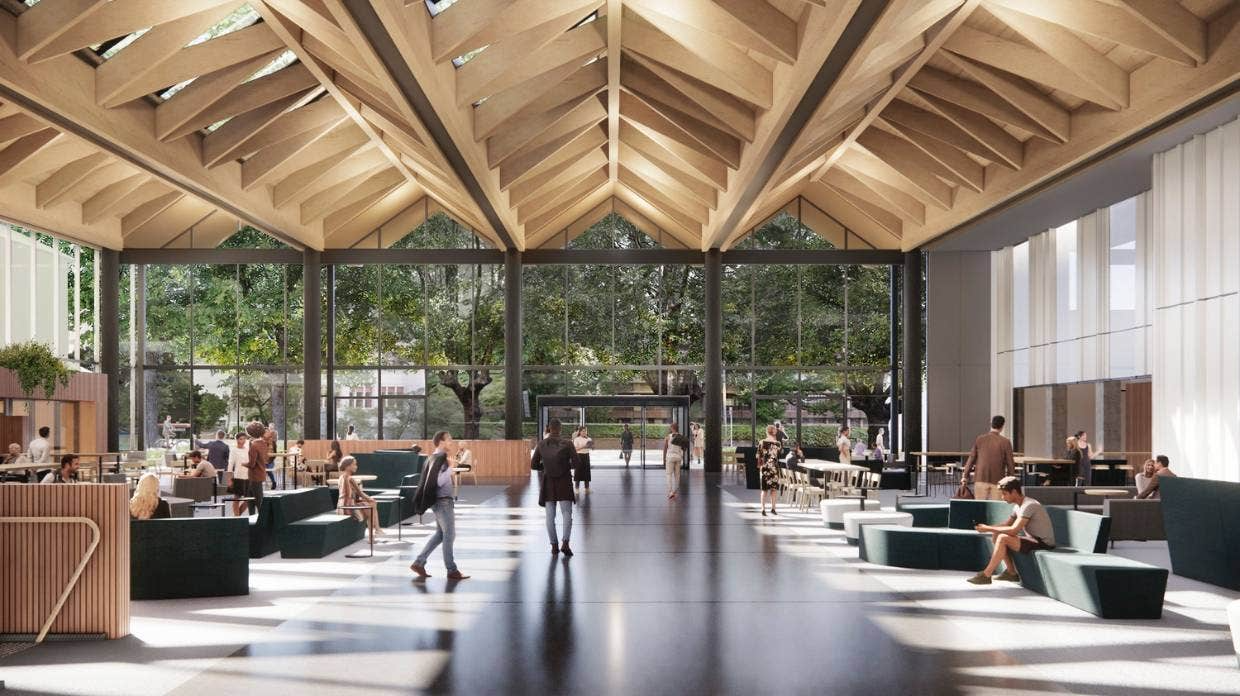
Humans are hardwired to a natural cycle of light and dark. Yet, many modern buildings, with their deep floor plans and limited windows, disrupt this essential rhythm. The absence of natural light has a direct impact on our circadian rhythms, the body’s internal clock that regulates sleep-wake cycles.
- Improved Sleep Quality: Exposure to natural light during the day helps regulate our circadian rhythm, making it easier to fall asleep at night. This is especially critical for those who spend most of their time indoors.
- Enhanced Productivity and Mood: Studies have consistently shown that offices and schools with ample natural light lead to higher productivity, better concentration, and improved mood. The presence of natural light can reduce eye strain and headaches, contributing to a more comfortable work environment.
- Reduced Depression and Anxiety: For individuals with Seasonal Affective Disorder (SAD) or other mood-related conditions, access to natural light is a powerful, non-pharmacological tool. Designing spaces that maximize daylight can be a proactive step in mental health support.
B. Air Quality and Biophilic Design
We spend up to 90% of our lives indoors, making the quality of indoor air a major determinant of our health. Poor ventilation, off-gassing from building materials, and the accumulation of pollutants can lead to a range of health issues, from respiratory problems to fatigue.
- Natural Ventilation Systems: Architects are moving away from sealed, air-conditioned environments toward designs that incorporate natural ventilation. This can include operable windows, air shafts, and smart systems that open and close based on external air quality.
- Biophilic Design: This principle, which integrates natural elements into the built environment, is a cornerstone of healthy building. Living walls, indoor gardens, and abundant plant life not only purify the air but also have been shown to reduce stress, lower blood pressure, and improve cognitive function.
- Non-Toxic Materials: The choice of building materials is critical. Architects are increasingly specifying materials that do not emit harmful volatile organic compounds (VOCs), such as formaldehyde, which are common in paints, adhesives, and furniture.
C. The Psychological Influence of Space
The size, shape, color, and layout of a room all have a profound impact on our psychological state. A cramped, cluttered, and poorly lit space can induce feelings of stress and anxiety, while an open, organized, and light-filled space can promote a sense of calm and clarity.
- Creating a Sense of Control: A well-designed space gives its occupants a sense of control over their environment, whether through adjustable lighting, movable furniture, or access to private, quiet areas. This sense of control is directly linked to a reduction in stress.
- The Power of Color and Texture: The colors and textures used in a building can evoke powerful emotional responses. Calming colors like blues and greens are ideal for healthcare settings and bedrooms, while vibrant colors can be used in creative or social spaces.
- Acoustic Comfort: Noise pollution is a major source of stress. Designing buildings with effective sound insulation and acoustic panels can create quieter, more peaceful environments, which is essential for focus and relaxation.
A Holistic Approach to Human-Centered Design
The future of architecture lies in a holistic, human-centered approach that considers the full spectrum of human health. This involves collaboration between architects, urban planners, doctors, and psychologists to create environments that are not just beautiful, but are actively beneficial to our well-being.
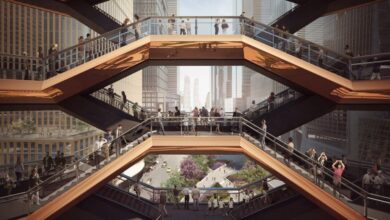
- Active Design Principles: This concept involves designing spaces that encourage physical activity. This can be as simple as placing staircases in a prominent, central location or designing corridors that encourage walking and social interaction.
- The Role of Water: The presence of water, whether in the form of a small fountain or a view of a nearby lake, has a calming effect on the human mind. Architects are increasingly incorporating water features into both interior and exterior designs to promote tranquility.
- Community-Oriented Spaces: Buildings that facilitate social interaction, such as communal lounges, shared workspaces, and rooftop gardens, can combat feelings of loneliness and isolation, which are growing problems in urban settings.
The science of healthy buildings is still in its infancy, but the principles are clear. By designing with intention and putting human wellness at the center of every decision, we can create spaces that not only shelter us but also help us thrive.