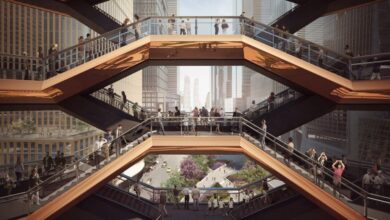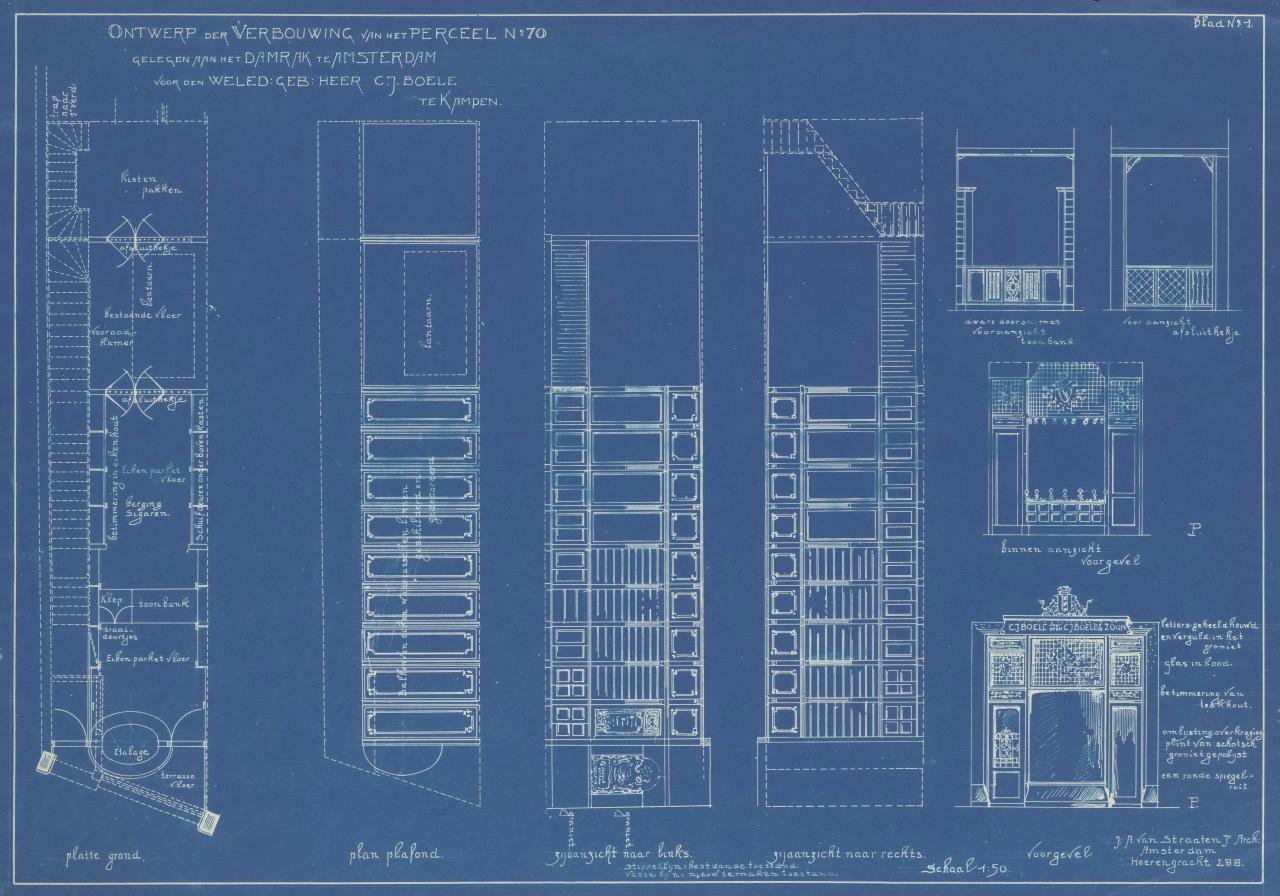
The global landscape of city living is currently undergoing a radical transformation that prioritizes environmental harmony alongside high-end luxury. Modern urban dwellers are no longer satisfied with mere concrete structures; they demand living spaces that breathe, regenerate, and provide a sanctuary from the frantic pace of metropolitan life. This shift toward “Elite Sustainable Urban Residential Design” is driven by a necessity to combat the urban heat island effect and the rising costs of traditional energy. Architects today are blending ancient wisdom with cutting-edge technology to create buildings that function more like living organisms than inanimate objects. These new blueprints focus on “passive” cooling, vertical greenery, and decentralized energy systems that empower residents to be self-sufficient.
Navigating this evolution requires a deep understanding of biophilic design, smart material science, and the complex logistics of high-density construction. As we look toward the future of our cities, these sustainable frameworks represent the gold standard for property developers and homeowners who value long-term resilience. Creating a truly sustainable urban home is about more than just installing a few solar panels; it is about a holistic integration of every architectural element to minimize waste and maximize human well-being. This guide serves as a masterclass in the technical and aesthetic principles that define the most prestigious eco-conscious residential projects in the world.
The Foundation of Biophilic Architectural Philosophy
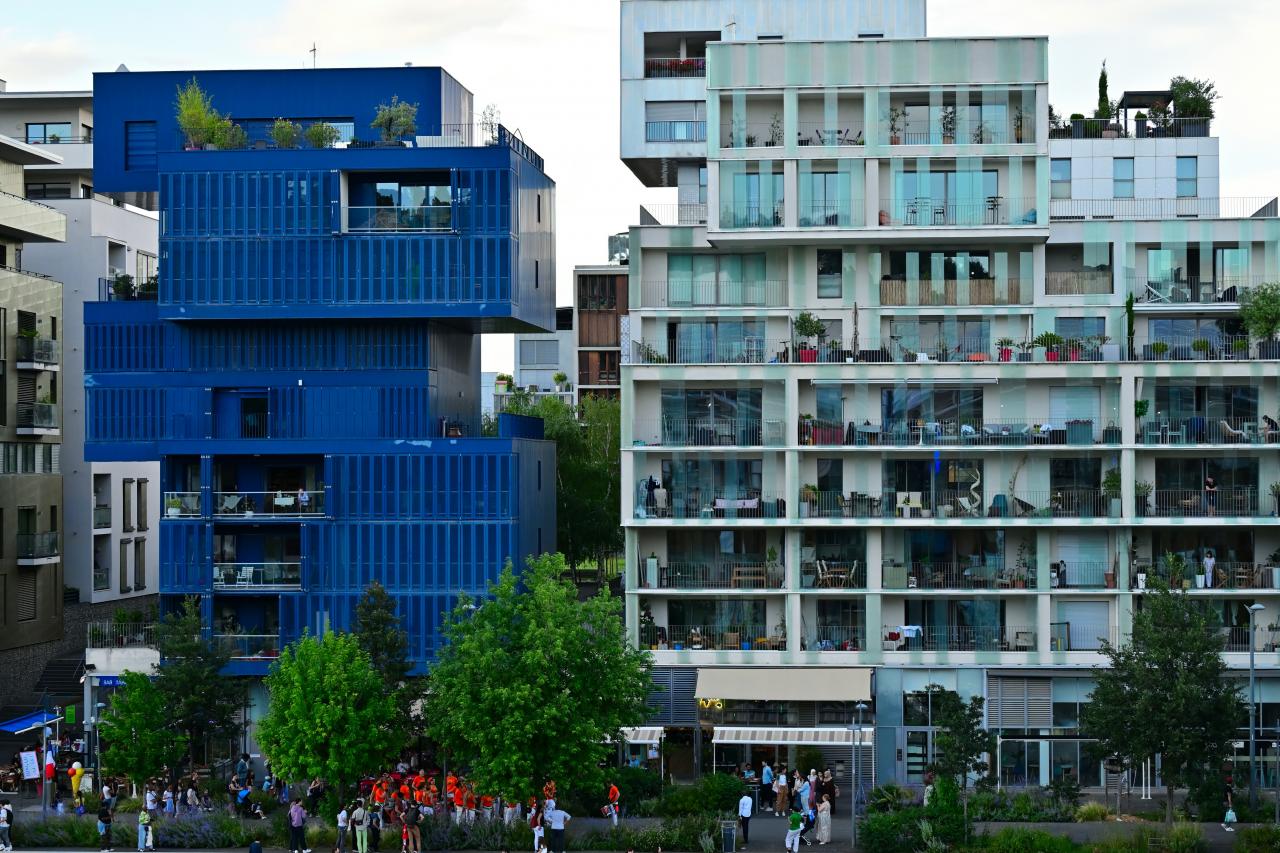
Biophilic design is the practice of connecting building occupants more closely to nature through the use of direct and indirect natural elements.
A. Integrating Dynamic Natural Light Flow
Strategic placement of windows and light wells ensures that every room receives a maximum amount of daylight throughout the year. This reduces the need for artificial lighting and significantly improves the mood and circadian rhythm of the inhabitants.
B. Living Walls and Vertical Forest Systems
Incorporating plants directly into the building facade acts as a natural air filtration system. These “vertical forests” absorb carbon dioxide, release oxygen, and provide essential thermal insulation that keeps the interior cool during summer months.
C. The Use of Natural Textures and Raw Materials
Choosing stone, sustainably sourced timber, and clay over synthetic plastics creates a sensory connection to the earth. These materials are not only beautiful but often have lower “embodied carbon” compared to traditional building materials like steel and glass.
High-Performance Passive Cooling and Heating Blueprints
Elite designs focus on manipulating the natural environment to maintain comfort without relying on heavy mechanical systems.
A. Thermal Mass and Strategic Insulation
Using materials that can store heat during the day and release it at night helps stabilize the indoor temperature. High-density concrete or specialized bricks can act as a “thermal battery” for the home.
B. Cross-Ventilation and Wind-Catching Chimneys
Blueprints often include open floor plans that allow breeze to travel through the entire structure. Modern wind-catchers can pull cool air from the ground level and circulate it upwards, pushing hot air out through roof vents.
C. Smart Glazing and Solar Shading Devices
Windows are equipped with specialized coatings that reflect heat while letting light pass through. External shading devices, such as automated louvers, adjust based on the sun’s position to prevent overheating during peak hours.
Water Sovereignty and Circular Management Systems
In a dense urban environment, managing water efficiently is a hallmark of an elite residential design.
A. Greywater Recycling for Internal Irrigation
Water used in showers and sinks can be treated and reused to flush toilets or water the vertical gardens. This circular system reduces a household’s total water consumption by up to forty percent.
B. Rainwater Harvesting and Atmospheric Water Generation
Rooftops are designed to capture every drop of rain and funnel it into underground storage tanks. In more advanced setups, atmospheric water generators can pull moisture directly from the air to provide clean drinking water.
C. Permeable Paving and Sustainable Drainage (SuDS)
Instead of concrete driveways that cause runoff, sustainable designs use permeable materials. This allows water to soak back into the ground, preventing local flooding and replenishing the urban water table.
The Integration of Smart Home Technology for Efficiency
A truly sustainable home uses a “digital brain” to optimize every aspect of resource consumption in real-time.
A. AI-Driven Energy Management Systems
Smart sensors monitor when a room is occupied and adjust lighting and temperature accordingly. This ensures that no energy is wasted on empty spaces, leading to massive savings on utility bills.
B. Decentralized Renewable Energy Storage
While solar panels capture energy, elite blueprints include battery walls to store that power for nighttime use. This makes the home resilient against grid failures and price spikes in the energy market.
C. Smart Material Monitoring and Maintenance
New “sensing” materials can alert the homeowner if a structural element is under stress or if a seal has broken. This allows for predictive maintenance, preventing small issues from becoming expensive and wasteful repairs.
Structural Innovation and Low-Carbon Materials
The bones of the building are being redesigned to use materials that are either recycled or have a minimal environmental footprint.
A. Mass Timber and Cross-Laminated Timber (CLT)
CLT is a high-tech wood product that is as strong as steel but far lighter and more carbon-friendly. Buildings constructed with mass timber act as “carbon sinks,” locking away CO2 for the life of the structure.
B. Recycled Aggregate Concrete and Fly Ash
Standard concrete is a major source of carbon emissions. Sustainable blueprints replace a portion of the cement with recycled glass, ash, or other industrial by-products to create a greener building block.
C. Modular and Prefabricated Construction Methods
Building components in a controlled factory environment reduces on-site waste by nearly ninety percent. These modules are then transported to the city and “plugged in” to the building frame with extreme precision.
Designing for Longevity and Adaptability
An elite home is one that can evolve as the family grows or as the climate changes.
A. Flexible Internal Partitioning Systems
Instead of permanent load-bearing walls, modern designs use movable partitions. This allows a bedroom to easily transform into a home office or an open-plan entertainment area as needs change.
B. Upgradable Building Shells and Envelopes
The exterior of the building is designed to be easily updated with new insulation or solar technology in the future. This “future-proofing” ensures the home remains state-of-the-art for many decades.
C. Universal Design and Accessibility
Sustainability also means social sustainability. Designing homes that are accessible to people of all ages and abilities ensures the building remains useful and vibrant for generations.
Urban Micro-Farming and Food Security
Elite urban designs are now incorporating spaces for residents to grow their own high-quality produce.
A. Hydroponic and Aeroponic Kitchen Gardens
Compact vertical farming systems can be integrated directly into kitchen cabinetry. These systems allow residents to grow fresh greens and herbs year-round with ninety percent less water than traditional soil farming.
B. Rooftop Greenhouse and Communal Orchards
Flat roofs are being transformed into productive agricultural zones. These spaces not only provide food but also act as a social hub for the building’s community, fostering a sense of belonging.
C. Integrated Composting and Waste Transformation
Organic waste is processed on-site through high-speed composters. The resulting nutrient-rich soil is then used to feed the building’s various plant systems, closing the nutrient loop.
Acoustic Comfort and Urban Noise Mitigation
Silence is a luxury in the city, and sustainable design focuses on creating a quiet, peaceful interior.
A. Multi-Layered Sound Dampening Windows
Triple-paned windows with argon gas layers provide a nearly impenetrable barrier against traffic and construction noise. This creates a psychological “sanctuary” that is essential for mental health in a loud city.
B. Strategic Landscape Buffer Zones
The use of thick hedges and water features around the perimeter of the property acts as a natural sound baffle. The “white noise” from a small fountain can effectively mask the low-frequency hum of the city.
C. Internal Acoustic Optimization with Soft Materials
Using cork flooring or recycled felt wall panels prevents echoes and creates a soft, warm acoustic environment. These materials also provide additional thermal insulation, doubling their sustainability value.
The Role of Communal Spaces in Sustainable Living
Elite residential projects recognize that sharing resources can lead to a much smaller individual carbon footprint.
A. Shared High-Performance Tool and Gear Libraries
Instead of every resident owning a drill or a ladder, the building maintains a high-quality shared library. This reduces consumer waste and encourages residents to collaborate on DIY projects.
B. Electric Vehicle Charging and Micro-Mobility Hubs
Every parking space is equipped with bi-directional charging, allowing the cars to act as back-up batteries for the building. Dedicated areas for e-bikes and scooters encourage residents to ditch traditional cars for city travel.
C. Co-Working Lounges and Digital Nomad Suites
Providing high-quality work environments within the residential building reduces the need for daily commuting. These spaces are designed with professional-grade ergonomics and high-speed satellite connectivity.
Navigating the Legal and Financial Landscape of Eco-Design
Sustainable architecture often requires a different approach to permits, financing, and long-term valuation.
A. Green Financing and Sustainability-Linked Mortgages
Banks are increasingly offering lower interest rates for buildings that meet high energy-efficiency standards. This “green premium” can save homeowners tens of thousands of dollars over the life of their mortgage.
B. Zoning Incentives for Vertical Greenery and Density
Many cities allow developers to build slightly taller if they include a significant amount of public-facing greenery. Understanding these “floor area ratio” bonuses is key to making an elite project financially viable.
C. Life-Cycle Cost Analysis and Resale Value
While the upfront cost of sustainable materials may be higher, the total cost of ownership is much lower. Buildings with high energy ratings are consistently holding their value and selling faster in the premium real estate market.
Conclusion
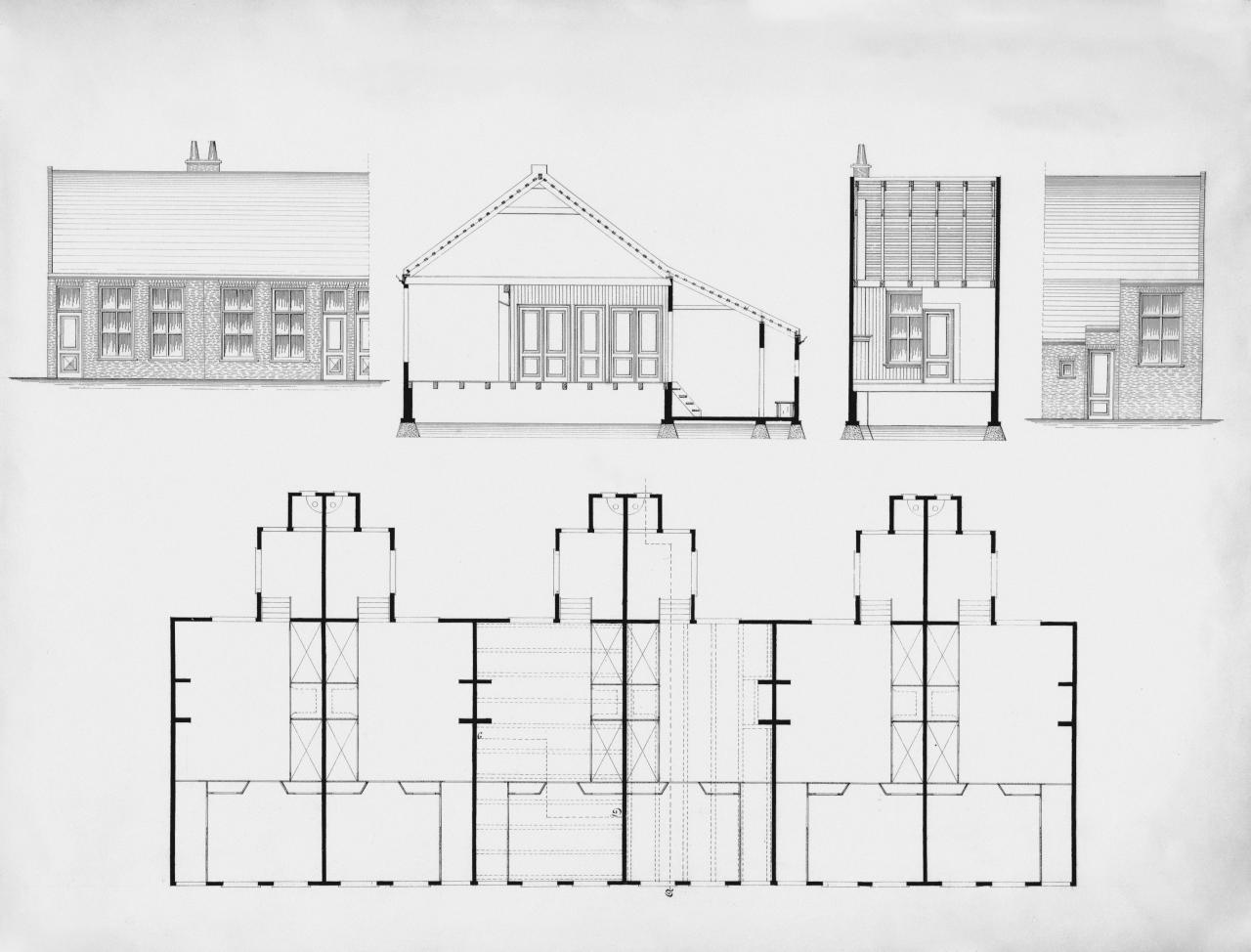
Elite sustainable urban residential design represents the ultimate marriage of luxury and responsibility. The journey toward a greener home starts with a commitment to fundamental architectural principles. Passive cooling and natural light are the primary engines of a healthy and efficient living space. Biophilic elements do more than just look good; they improve the mental health of every resident. Water and energy sovereignty provide the resilience needed to survive in an unpredictable global economy. Technology should be used as a silent partner that optimizes resource use behind the scenes. Mass timber and recycled materials are the building blocks of a new, low-carbon urban future.
Flexibility in design ensures that a home remains valuable and useful for multiple generations. Urban farming brings a touch of the rural life into the heart of the concrete jungle. Silence and acoustic comfort are non-negotiable requirements for a high-end city residence. Shared resources within a building create a stronger community and a smaller environmental footprint. Green financing makes it easier for homeowners to invest in high-quality eco-friendly upgrades. The resale value of sustainable homes continues to outperform traditional real estate across the world. A holistic approach to design ensures that every detail contributes to a larger ecological goal. The city of the future is being built today by those who value innovation and nature equally. True wealth is the ability to live comfortably without compromising the future of the planet. These blueprints are not just for buildings; they are for a new and better way of life.