
For centuries, architecture has stood as a testament to human creativity and ambition. From the towering pyramids of ancient Egypt to the intricate gothic cathedrals of medieval Europe, buildings have always been more than just shelters; they are reflections of culture, technology, and societal values. Today, architects are not only honoring this rich history but are also actively pushing the boundaries of what’s possible, blending artistry with cutting-edge science to create structures that are more functional, sustainable, and aesthetically profound than ever before. This new wave of architectural innovation is driven by a desire to solve modern challenges, such as climate change, rapid urbanization, and the need for more inclusive and dynamic public spaces.
Redefining Materials and Construction Methods
The foundation of any great structure lies in its materials. Traditional materials like concrete, steel, and glass remain essential, but architects are now experimenting with new, eco-friendly, and high-performance alternatives. This shift is not merely about novelty; it’s a critical response to the environmental impact of the construction industry.
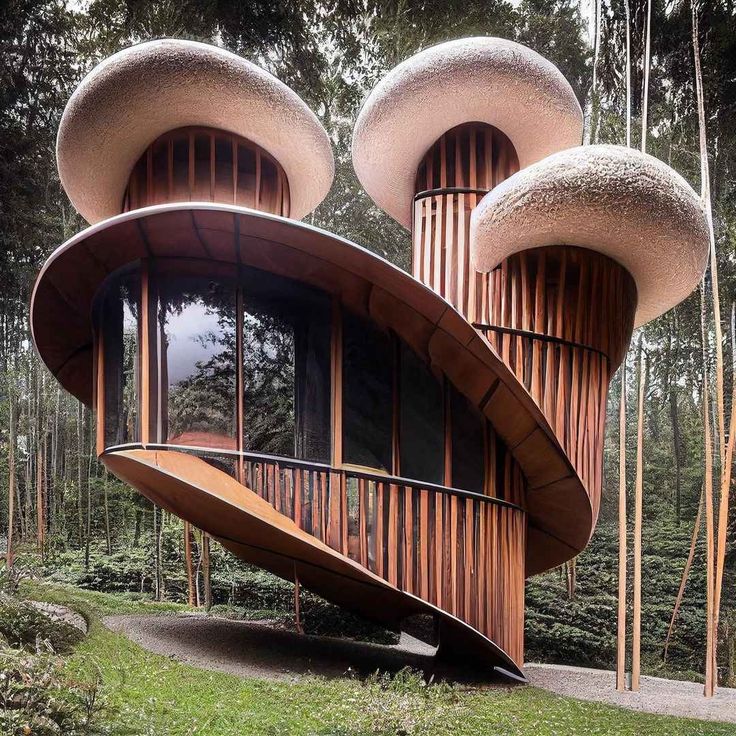
A. Biomaterials: Inspired by nature, architects are exploring materials that are grown rather than manufactured. Mycelium, the root structure of mushrooms, can be grown into solid, brick-like blocks that are fire-resistant and biodegradable. Similarly, bamboo, a fast-growing and versatile plant, is being used as a sustainable alternative to timber and steel, especially in regions where it’s abundant.
B. Recycled and Reclaimed Materials: The concept of the “circular economy” is gaining traction in architecture. Instead of discarding old materials, they are being repurposed and integrated into new designs. This includes everything from recycled plastics used for facades and interior elements to reclaimed wood and bricks that add a unique, historical character to modern buildings.
C. Smart Materials: The future of architecture is interactive. Smart materials can respond to environmental changes. For example, some facades can change color or transparency based on the intensity of sunlight, reducing the need for air conditioning. Other materials can self-heal minor cracks, extending the lifespan of a building and reducing maintenance costs.
The Digital Revolution in Architectural Design
The transition from physical blueprints to digital modeling has fundamentally changed how buildings are conceived and executed. This digital revolution is not just about drawing on a screen; it’s about leveraging technology to achieve unprecedented levels of precision, complexity, and efficiency.
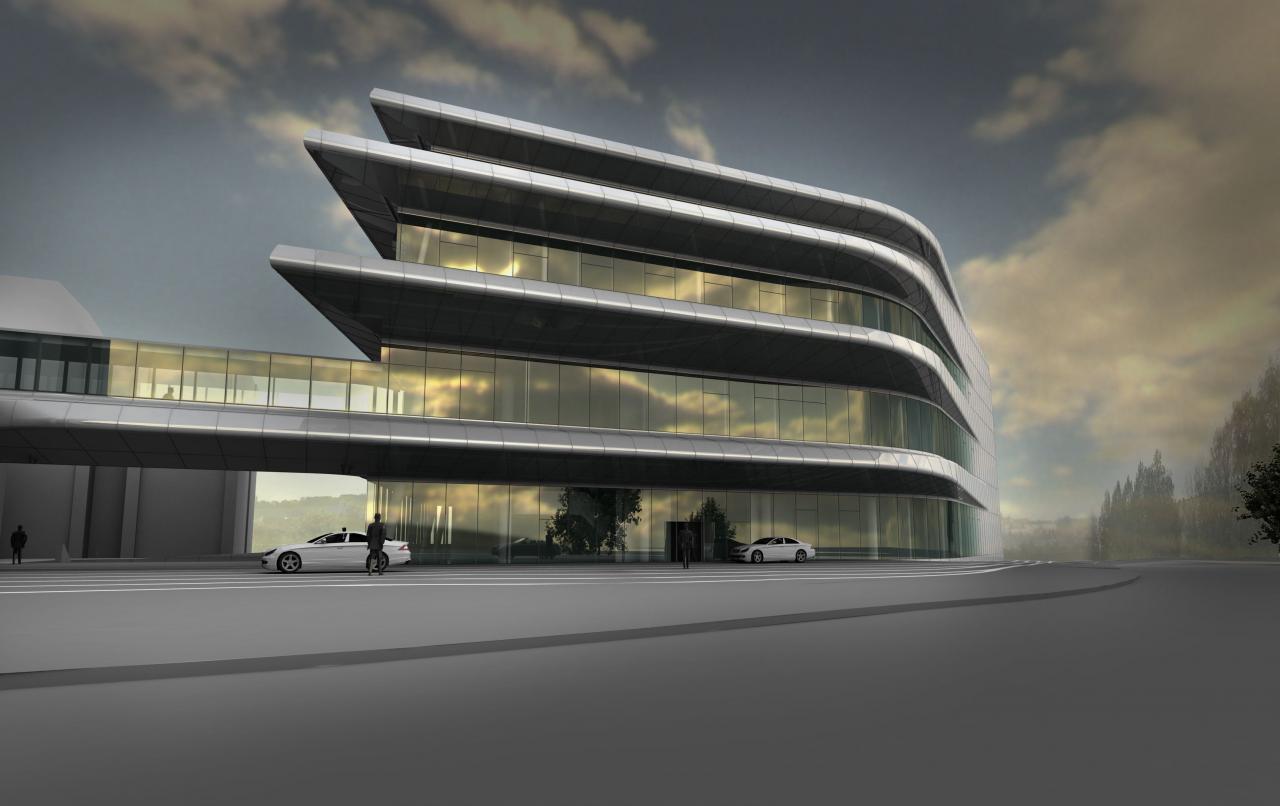
A. Parametric Design: This process uses algorithms to generate complex shapes and forms that would be impossible to create with traditional methods. Architects can define a set of rules and parameters, and the software generates countless design variations. This allows for fluid, organic, and highly customized structures that adapt to their specific environment. Think of the intricate patterns of the Gherkin building in London or the undulating forms of the Walt Disney Concert Hall in Los Angeles.
B. Computational Design: Beyond just creating shapes, computational design uses powerful software to optimize a building’s performance. This includes simulating airflow, analyzing structural integrity, and calculating energy consumption. By running these simulations before construction even begins, architects can make informed decisions that lead to more efficient and sustainable designs.
C. Virtual and Augmented Reality (VR/AR): VR and AR are transforming how clients and architects visualize a project. Instead of looking at 2D drawings or static 3D models, people can now “walk through” a building before it’s built, experiencing the scale, light, and feel of the space. This immersive experience allows for a deeper understanding of the design and helps to identify potential issues early on.
Sustainability at the Core of Design
Sustainability is no longer a niche concept; it’s a fundamental principle of modern architecture. Architects are leading the charge in creating buildings that not only minimize their environmental footprint but also actively contribute to the health of the planet and its inhabitants.
A. Net-Zero and Passive Buildings: A net-zero building generates as much energy as it consumes on an annual basis. This is achieved through a combination of high-efficiency insulation, energy-saving systems, and on-site renewable energy sources like solar panels. Passive buildings take this a step further, relying on natural ventilation, daylighting, and thermal mass to maintain a comfortable indoor temperature with minimal energy use.
B. Biophilic Design: This approach integrates natural elements into the built environment. This can include green walls, indoor gardens, and large windows that connect occupants with the outdoors. The goal is to create spaces that promote well-being, reduce stress, and improve air quality. Research has shown that biophilic design can increase productivity in workspaces and speed up recovery in healthcare facilities.
C. Urban Farming and Vertical Gardens: As urban areas become denser, architects are finding innovative ways to bring agriculture into the city. Vertical farms and rooftop gardens not only provide fresh, local food but also help to insulate buildings, manage stormwater runoff, and reduce the urban heat island effect.
Building for Community and Human Well-being
Architecture’s purpose extends far beyond aesthetics and efficiency. It has a profound impact on how people live, work, and interact. Architects are now focusing on creating spaces that foster a sense of community, inclusivity, and well-being.
A. Adaptive Reuse: Instead of demolishing old buildings, architects are giving them a new lease on life. This practice, known as adaptive reuse, preserves historical character while transforming spaces to meet modern needs. A historic warehouse might become a vibrant art gallery, or an old factory could be converted into a mixed-use community hub. This not only reduces waste but also maintains the cultural identity of a neighborhood.
B. Modular and Prefabricated Construction: To address the global housing crisis, architects are turning to modular and prefabricated building methods. Entire sections of a building are constructed in a factory and then transported to the site for assembly. This process is faster, more cost-effective, and produces less waste, making high-quality housing more accessible.
C. Creating Inclusive Public Spaces: Public parks, plazas, and community centers are essential for a healthy society. Architects are designing these spaces to be accessible to everyone, regardless of age or ability. This includes incorporating universal design principles, such as ramps and tactile paving, and creating flexible layouts that can accommodate a wide range of activities and events.
The Challenge of The Future
The path forward for architects is not without its challenges. The industry must navigate the complexities of global supply chains, strict regulations, and the ever-evolving demands of clients. However, the current generation of architects is well-equipped to face these hurdles. They are not just builders; they are problem-solvers, artists, and visionaries who are constantly seeking to improve the world around us. By pushing the boundaries of space, materials, and technology, they are shaping a future where buildings are not just structures, but living, breathing entities that enhance our lives and honor our planet. The most exciting innovations are yet to come, and they will be built on the foundation of the bold and imaginative work being done today.

