

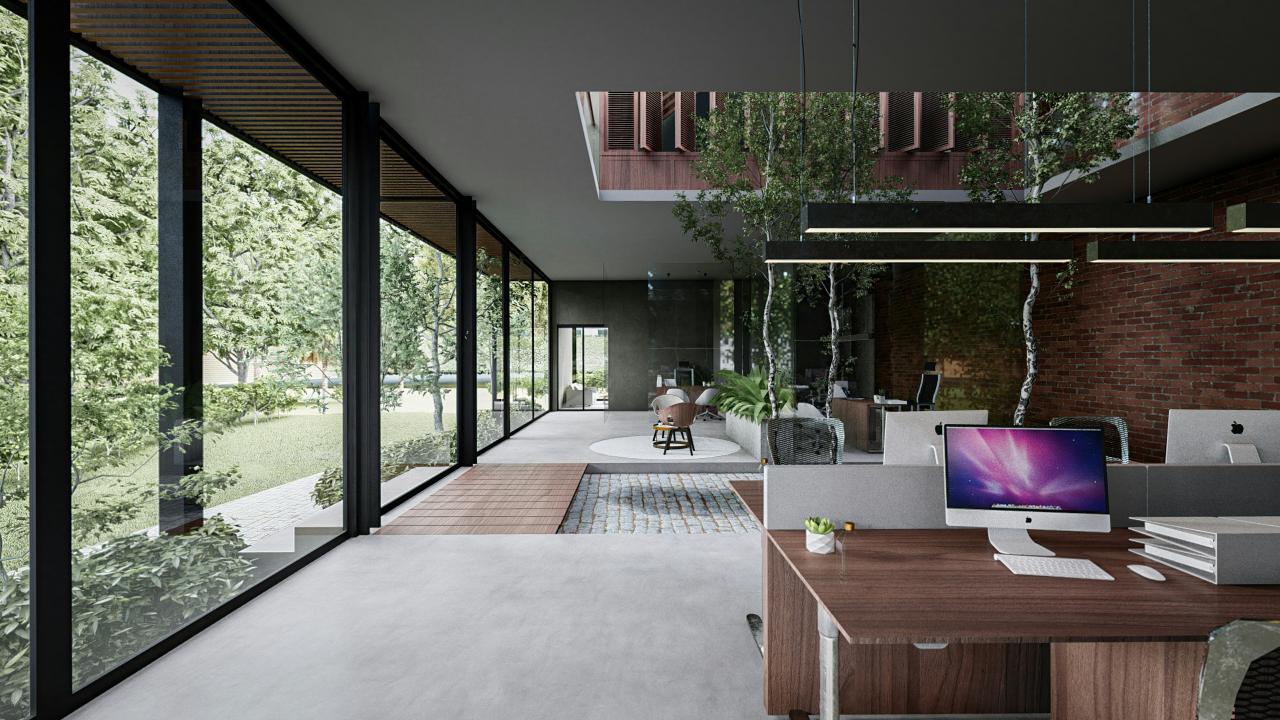
The modern workspace is currently undergoing a radical transformation that moves far beyond the traditional gray cubicles of the past century. As corporate leaders recognize the profound link between environmental quality and employee cognitive function, a new architectural movement has taken center stage. This movement, known as biophilic design, seeks to satisfy the innate human desire to connect with nature within the built environment. By integrating organic elements into high-performance office structures, architects are creating spaces that do more than just house workers; they actively improve health and productivity.
A high-performance office is no longer defined solely by its internet speed or ergonomic chairs, but by its ability to foster a thriving ecosystem. Incorporating natural light, living walls, and advanced air filtration systems is becoming a standard for top-tier global firms. This article explores how the intersection of biology and engineering is redefining the corporate landscape for the better. We will examine the specific strategies used to implement these designs and the measurable benefits they bring to the modern workforce. From psychological well-being to energy efficiency, the impact of these spaces is deep and multifaceted. Understanding these trends is essential for any organization looking to attract and retain top-tier talent in an increasingly competitive world.
The Science of Biophilic Design
Biophilia is the hypothesis that humans possess an innate tendency to seek connections with nature and other forms of life. In a corporate setting, this translates to specific architectural interventions that reduce stress and boost creativity.
A. Direct Nature Interactions
This involves the physical presence of nature, such as indoor gardens, water features, and potted plants. These elements provide immediate sensory relief from the digital strain of computer screens.
B. Indirect Nature Mimicry
Architects use organic shapes, natural materials like wood and stone, and patterns that mimic the complexity of a forest. These “biomorphic” forms are more pleasing to the human eye than harsh, geometric lines.
C. Spatial Configuration and Prospect
Humans feel safest in spaces that provide a “prospect,” or a wide view of their surroundings, combined with “refuge.” This design philosophy creates open-plan offices with cozy, private pods for deep focus.
Maximizing Natural Light and Circadian Rhythms
Light is perhaps the most critical element in any high-performance office. It dictates the biological clock of every employee, affecting their sleep quality and daytime energy levels.
A. Smart Glass and Dynamic Shading
High-performance windows can now tint themselves automatically based on the sun’s position. This reduces glare on monitors while ensuring the office remains flooded with natural, healthy light.
B. Circadian Lighting Systems
In areas where natural light cannot reach, advanced LED systems mimic the color temperature of the sun. These lights shift from cool blue in the morning to warm amber in the afternoon to support natural energy cycles.
C. Internal Light Wells and Atriums
Large-scale corporate buildings are being designed with hollow centers or glass ceilings. This allows sunlight to penetrate deep into the lower floors, ensuring no worker is left in a dark corner.
Living Walls and Vertical Greenery
Vertical forests are no longer just for high-end apartments; they are becoming a functional part of the corporate infrastructure. These living walls act as natural air filters and sound absorbers.
A. Hydroponic Irrigation Systems
Modern living walls are often soil-free, using advanced water delivery systems built directly into the wall. This minimizes maintenance and prevents the mess associated with traditional indoor gardening.
B. Acoustic Dampening Properties
Plants are excellent at absorbing high-frequency sounds that often plague open-office environments. A large moss wall can function as a beautiful, organic alternative to expensive acoustic foam panels.
C. CO2 Reduction and Oxygen Enrichment
Indoor air quality can often be worse than outdoor air due to synthetic materials and poor ventilation. A high density of plants naturally scrubs the air of toxins and boosts oxygen levels for better brain function.
Materiality: The Return of Timber and Stone
The high-performance office is moving away from cold steel and plastic toward materials that feel “alive” and grounded. This shift has significant environmental and psychological benefits.
A. Mass Timber Construction
Using cross-laminated timber (CLT) instead of concrete significantly reduces the carbon footprint of a building. Wood also has a tactile warmth that makes a workspace feel more inviting and less institutional.
B. Haptic Engagement with Natural Surfaces
Touching natural materials like stone or cork can lower heart rates and reduce physical stress. Designers are choosing these materials for desks and communal tables to enhance the sensory experience.
C. Sustainably Sourced Finishes
High-performance design requires that every material be non-toxic and low-VOC (Volatile Organic Compounds). This ensures that the “new office smell” isn’t actually a collection of harmful chemicals.
Air Quality and High-Efficiency Ventilation
Breathable air is the fuel for a productive workforce. Biophilic offices combine natural ventilation with high-tech filtration to create a pristine indoor climate.
A. Mixed-Mode Ventilation Systems
These systems allow windows to be opened when the weather is nice, using natural breezes to cool the building. When it’s too hot or cold, the system switches back to mechanical cooling seamlessly.
B. HEPA and UV-C Filtration
To maintain high performance, air is pushed through medical-grade filters and treated with UV-C light. This kills bacteria and viruses, significantly reducing the number of sick days taken by employees.
C. Real-Time Air Quality Monitoring
Sensors throughout the office track CO2 levels, humidity, and particulate matter. This data is often displayed on public screens to give employees peace of mind about their environment.
The Psychology of Water Features
The sound and sight of water have a unique ability to calm the human nervous system. Incorporating water into an office is a high-level biophilic strategy.
A. White Noise Masking
The gentle sound of a waterfall or fountain can mask the distracting chatter of a busy office. It provides a consistent, soothing background noise that helps with concentration.
B. Evaporative Cooling Benefits
In drier climates, indoor water features can naturally add humidity to the air. This prevents the dry eyes and skin irritation often caused by traditional air conditioning.
C. Visual Tranquility and Focus
Watching the movement of water can trigger a state of “soft fascination.” This allows the brain to recover from the “hard fascination” required for intense tasks like coding or writing.
Flexible Landscapes and Outdoor Workspaces
The high-performance office is no longer confined to the four walls of a building. Rooftops and balconies are being converted into functional “sky gardens.”
A. Outdoor Wi-Fi and Power Hubs
By extending the digital infrastructure to the garden, employees can hold meetings or work on laptops in the fresh air. This change of scenery can spark new ideas and break through mental blocks.
B. Rooftop Biodiversity Hubs
Many corporate offices now host beehives or bird-friendly plants on their roofs. This supports the local ecosystem while giving employees a sense of connection to the wider natural world.
C. Walking Tracks and Active Design
Biophilic offices encourage movement through beautiful, plant-lined staircases and outdoor walking paths. Staying active throughout the day is a key component of high-performance health.
Biophilic Design and Employee Retention
In the war for talent, the physical office remains a powerful tool for recruitment. A beautiful, nature-infused workspace is a visible sign that a company cares for its people.
A. Reduction in Absenteeism
Studies consistently show that employees in biophilic offices take fewer sick days. The combination of better air, light, and lower stress leads to a measurably healthier workforce.
B. Higher Recruitment Appeal
Millennial and Gen Z workers often prioritize wellness and sustainability when choosing an employer. A biophilic office serves as a 24/7 advertisement for the company’s culture and values.
C. Increased Cognitive Performance
Tasks requiring creativity and complex problem-solving are performed significantly better in nature-rich environments. The “return on investment” for biophilic design is seen in the quality of work produced.
Smart Technology as a Biophilic Enabler
Technology and nature are often seen as opposites, but in a high-performance office, they work together in perfect harmony.
A. Automated Plant Maintenance
Sensors in the soil of indoor gardens can alert maintenance teams or trigger automatic watering. This ensures that the greenery stays lush and healthy without human error.
B. Personalized Environmental Controls
Apps allow employees to adjust the lighting or airflow in their immediate vicinity. Giving workers control over their environment is a core principle of both biophilic and high-performance design.
C. Data-Driven Space Optimization
Heat maps can show which “green zones” are most popular among employees. Management can then use this data to expand successful biophilic features into other parts of the building.
The Economic Case for Green Offices
While the upfront cost of biophilic design can be higher, the long-term economic benefits make it a wise financial decision for large corporations.
A. Energy Savings through Natural Cooling
Utilizing daylight and natural ventilation significantly reduces the monthly electricity bill. Over the life of a building, these savings can run into the millions of dollars.
B. Increased Property Value
High-performance, “green-certified” buildings command higher rents and have higher resale values. They are seen as “future-proof” assets that will remain desirable for decades.
C. Productivity Gains and Profitability
Even a 1% increase in employee productivity can result in massive gains for a large firm. When multiplied by thousands of workers, the financial impact of a better office design is staggering.
Conclusion
High-performance biophilic design is the future of the global corporate landscape. Architects are successfully merging the beauty of nature with the efficiency of modern engineering. Natural light remains the most important factor in maintaining employee health and daytime energy. Living walls provide a dual benefit of aesthetic beauty and functional air purification for the office. The shift toward natural materials like wood and stone creates a more human and grounded atmosphere. Advanced ventilation systems ensure that every breath taken in the office is clean and energizing.
Water features offer a unique psychological sanctuary from the stress of a fast-paced work environment. Outdoor workspaces allow employees to break free from traditional boundaries and find new inspiration. The integration of smart technology ensures that these natural elements are maintained with precision. Investing in biophilic design is a proven strategy for attracting and keeping the best global talent. Lower absenteeism and higher cognitive function directly contribute to a company’s bottom line. Sustainability is no longer a luxury but a core requirement for any high-performance building.
The emotional connection to a workspace is what ultimately drives long-term employee engagement. Corporate offices must evolve to support the biological needs of the humans who inhabit them. Every element of the design should serve a purpose in enhancing the well-being of the workforce. The transition to greener offices represents a significant step forward for the global business community. Ultimately, a high-performance office is one where people and nature thrive together in harmony.

