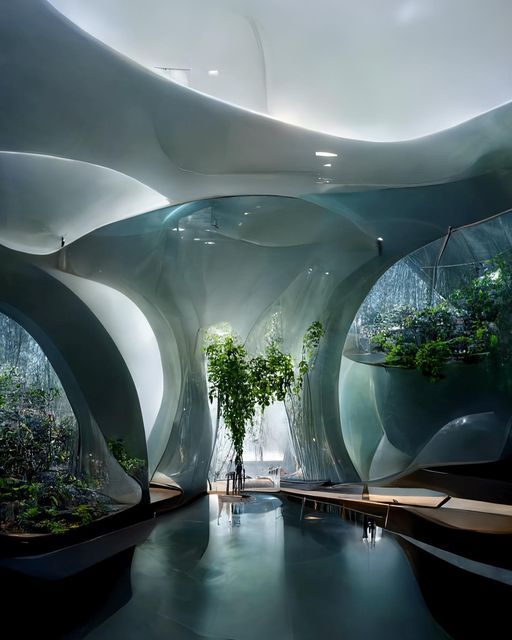
The spaces we inhabit are more than just physical containers; they are powerful, silent forces that shape our thoughts, emotions, and behaviors. From the bustling energy of a city square to the tranquil calm of a quiet room, our surroundings are constantly influencing us on a subconscious level. This is the essence of the psychology of space, a field that explores the profound connection between our environment and our inner world. It’s a discipline that reveals why some spaces make us feel anxious and drained, while others inspire creativity and bring us a sense of peace.
This understanding is critical for architects, designers, and urban planners, but it is equally vital for anyone looking to improve their daily life. By becoming more aware of how our surroundings affect us, we can consciously design our homes, workplaces, and communities to support our well-being, productivity, and overall happiness.
Key Principles of the Psychology of Space
The impact of our environment can be broken down into several core psychological principles. These concepts explain why certain design choices have a predictable effect on our minds and bodies.
A. The Power of Light and Color
Light and color are two of the most potent tools in a designer’s arsenal. They don’t just affect our vision; they have a direct impact on our mood, energy levels, and even our biology.
- Natural Light: Exposure to natural light is essential for regulating our circadian rhythm, the body’s internal clock. A lack of natural light can lead to fatigue and a decrease in productivity. Rooms with ample windows and natural light tend to feel more spacious and uplifting.
- Warm vs. Cool Light: The temperature of light matters. Warm light (yellowish tones) is associated with comfort, relaxation, and intimacy, making it ideal for bedrooms and living areas. Cool light (bluish tones) mimics daylight, making it a powerful tool for enhancing focus and alertness, which is why it is often used in offices and study spaces.
- Color Psychology: Colors evoke specific emotional and psychological responses. For example, blue and green are often associated with calmness and nature, making them perfect for spaces intended for relaxation. Yellow can be energizing and optimistic, while red can stimulate appetite and increase a sense of urgency.
B. The Influence of Layout and Flow
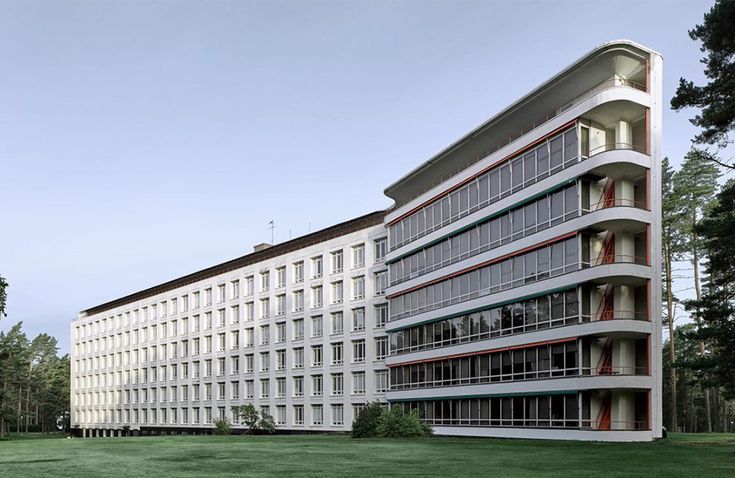
The arrangement of objects and the pathways within a space—its layout—can dictate our movement, social interactions, and sense of control.
- Open vs. Enclosed Spaces: Open-plan layouts, common in modern offices and homes, can foster collaboration and a sense of freedom. However, they can also lead to a lack of privacy and overstimulation. Enclosed spaces, on the other hand, offer a sense of security and a reduction in distractions, making them suitable for focused work or private reflection.
- The Path of Movement: A well-designed space has a clear and intuitive flow. Obstacles or confusing layouts can create a sense of anxiety and frustration. The concept of wayfinding is crucial in public spaces, as a logical layout can reduce stress and help people feel more confident and in control of their environment.
- Personal Space and Territoriality: Our need for personal space is a fundamental psychological driver. When a space feels too crowded or when our personal boundaries are violated, it can lead to stress and discomfort. This is why well-designed public spaces include both large gathering areas and smaller, more private nooks.
C. The Role of Biophilic Design
The innate human connection to nature, known as biophilia, is a powerful force in the psychology of space. Integrating natural elements into our indoor environments can have profound benefits for our mental and physical health.
- Presence of Plants: Studies have shown that simply having plants in an office or home can reduce stress, improve air quality, and increase feelings of well-being.
- Natural Materials and Textures: Using natural materials like wood, stone, and wool can create a calming, grounding effect. These materials often have unique textures that engage our senses in a way that synthetic materials cannot.
- Views of Nature: Having a view of a park, a garden, or even a single tree can reduce stress and help us recover from mental fatigue. This is a key reason why buildings with views of nature are often more desirable.
D. Sensory Experience and Embodied Cognition
Our experience of a space is not just visual; it’s a full-body, multi-sensory experience. The temperature, sound, and even smell of a space contribute to our psychological state.
- Acoustics: A noisy, chaotic environment can be a major source of stress. Good acoustics, which absorb sound and create a sense of quiet, can promote focus and relaxation.
- Scent: Our sense of smell is strongly linked to memory and emotion. A pleasant scent, whether from a subtle diffuser or a natural material, can create a powerful emotional connection to a space.
- Temperature: A space that is too hot or too cold can lead to discomfort and a loss of focus. An optimal temperature is essential for both physical comfort and cognitive performance.
The Practical Application in Different Spaces
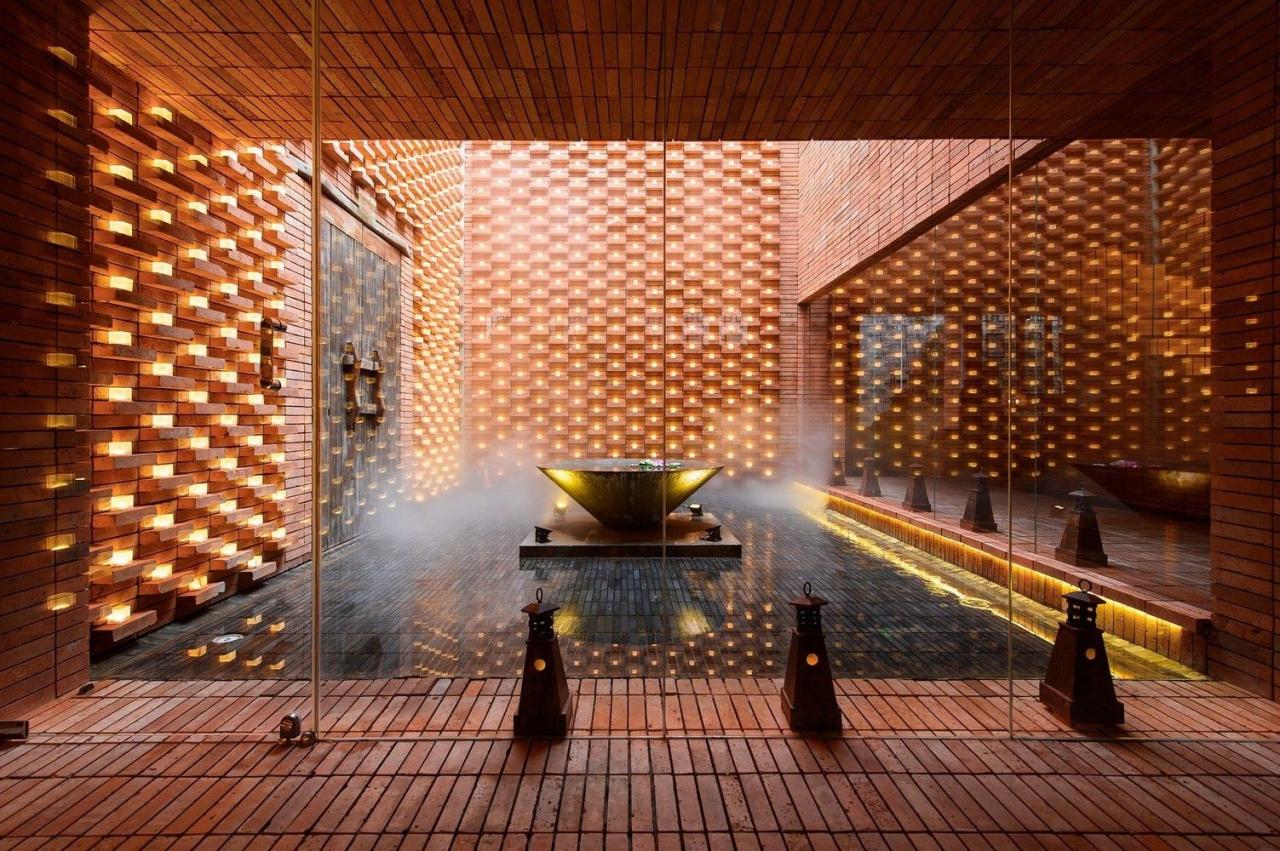
Understanding these principles allows us to create environments that are tailored to their specific function, whether it’s a home, an office, or a public space.
- In the Home: A minimalist bedroom with soft, warm lighting and a neutral color palette can promote rest. A kitchen with bright, cool lighting and a clear, functional layout can inspire cooking and social gatherings.
- In the Workplace: Offices are moving away from sterile cubicle farms and toward designs that offer a mix of open collaborative spaces, private focus zones, and social hubs. Incorporating plants, natural light, and varied textures can help reduce burnout and increase creativity.
- In Public Spaces: A well-designed public park or square can act as the psychological heart of a community. By providing a variety of seating options, integrating green spaces, and ensuring a clear, safe flow, urban planners can create places where people feel comfortable and connected.
The Future of Space and Psychology
As we move forward, the field of spatial psychology will become even more critical. With the rise of smart homes and AI-powered environments, we will have the ability to create spaces that are not just static environments but dynamic ecosystems that respond to our emotional and physical needs. The ultimate goal is to move beyond simply designing beautiful spaces and to create environments that actively support a healthier, happier, and more productive life.

