A Blueprint for a Lasting Legacy
In an era defined by global climate crises, resource depletion, and a growing disconnect from our natural world, the concept of sustainability is no longer a niche concern but a global imperative. It’s a profound shift in mindset—from a philosophy of endless consumption to one of conscious stewardship. Building a sustainable future is not merely about using less; it’s about a complete re-engineering of our systems, our economies, and our daily lives to create a world where human prosperity and ecological health can coexist in harmony. This is a monumental task, but it is one that is driven by a deep sense of urgency and a powerful vision of a more resilient, equitable, and vibrant world for generations to come.
This transformation requires a multi-faceted approach, one that addresses the interconnected challenges of energy, urban development, consumption, and social equity. It’s a journey that extends far beyond individual actions and into the realm of policy, innovation, and global collaboration. As we move forward, the principles of sustainability will serve as the blueprint for every decision we make, from the way we design our cities to the materials we use in our products.
The Core Pillars of a Sustainable Future
The path to a sustainable future is built on several key principles that must be addressed concurrently. These pillars form a comprehensive framework for a regenerative world.
A. The Transition to a Regenerative Economy
The current economic model, which relies on a linear “take-make-dispose” system, is fundamentally unsustainable. A regenerative economy, often referred to as a circular economy, is designed to eliminate waste and keep resources in use for as long as possible.
- Closed-Loop Systems: In a circular economy, products are designed for durability, repair, and eventual recycling. Materials are seen as valuable resources that flow in a continuous loop, minimizing the need for new raw materials and reducing landfill waste. This requires a complete rethinking of product design, manufacturing, and business models.
- Waste as a Resource: Waste is not an end product; it is a beginning. Innovators are developing technologies to turn everything from plastic bottles to organic food waste into new products or energy. Biogas plants, for example, can convert organic waste into clean energy, while advanced recycling methods are creating high-quality materials from discarded products.
- Service-Based Consumption: Instead of selling a product, companies can offer a service. For instance, a lighting company might lease its light fixtures and be responsible for their maintenance and eventual recycling. This shifts the incentive from selling more products to providing a durable, high-quality service, which aligns with sustainability goals.
B. The Decarbonization of Our Energy Systems
The global reliance on fossil fuels is the single largest driver of climate change. A sustainable future depends on a rapid and complete transition to clean, renewable energy sources.
- Renewable Energy Expansion: Solar, wind, geothermal, and hydroelectric power are no longer niche alternatives; they are now the most cost-effective and scalable sources of new energy in many parts of the world. A sustainable future requires massive investment in these technologies, as well as the infrastructure to support them.
- Smart Grids and Energy Storage: The intermittent nature of some renewable energy sources requires intelligent grid management and large-scale energy storage. Smart grids use real-time data to balance supply and demand, while advanced battery storage systems can store excess energy from sunny or windy days for use at night or during calm periods.
- Energy Efficiency: The cleanest and cheapest energy is the energy we don’t use. This pillar focuses on reducing consumption through more efficient buildings, smarter appliances, and changes in behavior. From passive house design to LED lighting, every improvement in efficiency reduces the strain on our energy systems.
C. Building Resilient and Livable Urban Spaces
With more than half of the world’s population living in cities, urban planning is a critical component of building a sustainable future.
- The 15-Minute City: This urban model aims to create self-sufficient neighborhoods where residents can access all their daily needs—from groceries and work to parks and healthcare—within a short 15-minute walk or bike ride. This drastically reduces the need for private vehicles, lowering emissions and improving public health.
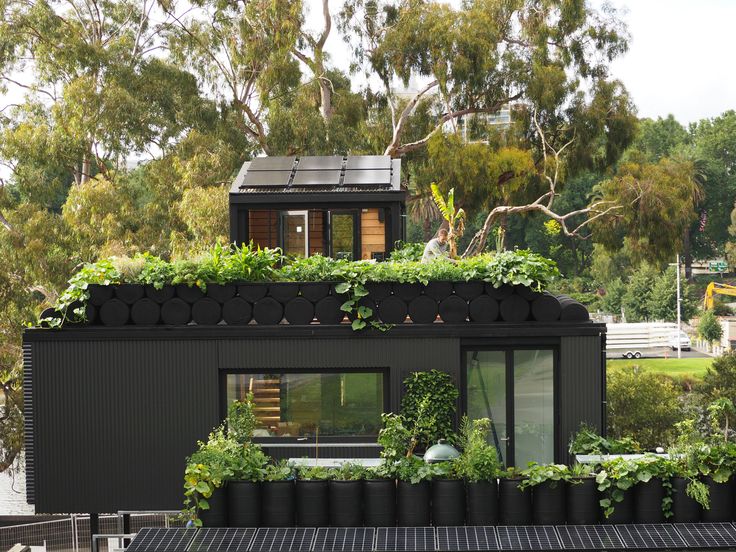
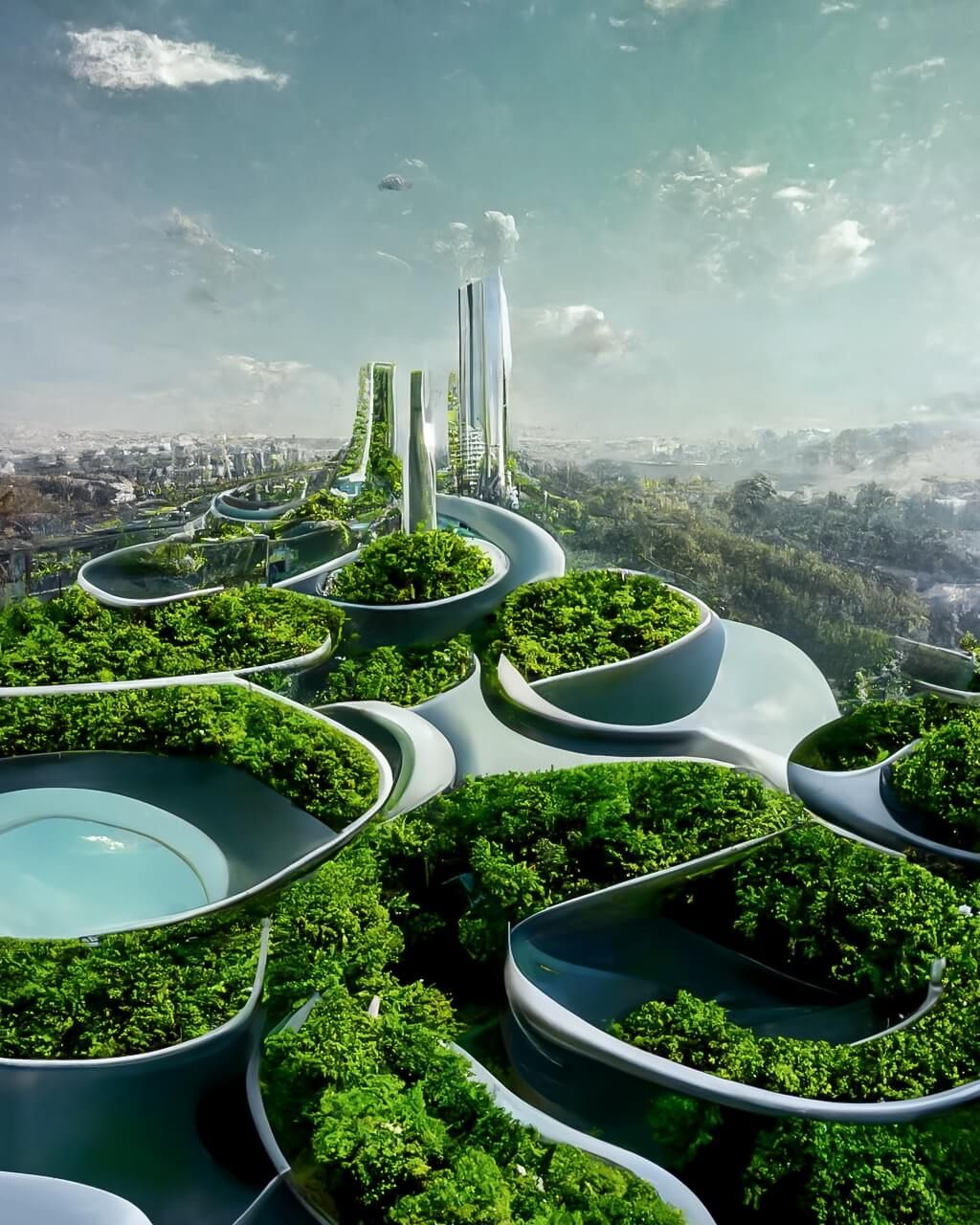
- Green and Blue Infrastructure: Parks, green roofs, urban forests, and permeable pavements are no longer just aesthetic features; they are essential infrastructure. They help manage stormwater, cool cities, improve air quality, and provide habitats for urban wildlife.
- Sustainable Mobility: The future of urban transport is multimodal and shared. This involves expanding public transit, building protected bike lanes, and promoting on-demand services like e-scooters and car-sharing to reduce the number of private cars on the road.
D. Conscious Consumption and Ethical Production
The decisions we make as consumers have a profound impact on the planet. A sustainable future requires a shift toward more conscious consumption and an ethical approach to production.
- Transparent Supply Chains: Consumers are demanding to know where their products come from and under what conditions they were made. Companies are responding by building more transparent and ethical supply chains that prioritize fair labor practices and sustainable sourcing.
- Mindful Consumption: This is a shift away from a “more is better” mindset toward one of purpose and value. It involves buying fewer but higher-quality items, choosing products from ethical companies, and embracing a culture of repair and reuse.
- Food Systems Redefined: Sustainable food systems focus on local, seasonal, and organic farming. They minimize food waste, reduce the carbon footprint of transport, and promote regenerative agricultural practices that improve soil health and biodiversity.
The Role of Technology and Innovation
Technology is an indispensable tool in the journey toward a sustainable future. From AI to advanced materials science, innovation is providing the solutions we need to address complex challenges.
- Artificial Intelligence and Big Data: AI can be used to optimize energy grids, predict and prevent environmental disasters, and manage urban traffic flow more efficiently. Big data analytics help us understand global consumption patterns and identify areas where we can have the greatest impact.
- Advanced Materials: Scientists are developing new, sustainable materials that are stronger, lighter, and more environmentally friendly. This includes everything from carbon-negative concrete to bio-plastics made from algae and fungi.
- Digitalization for Efficiency: The digitalization of industrial processes and supply chains can drastically reduce waste and improve efficiency. Digital twins of buildings and infrastructure can be used to simulate energy performance and maintenance needs before construction even begins.
A Shared Responsibility
Building a sustainable future is not the sole responsibility of governments or corporations. It is a shared endeavor that requires the active participation of every individual, every community, and every nation. From advocating for policy change and investing in sustainable businesses to making small, conscious choices in our daily lives, every action contributes to the larger goal. This collective effort is the true engine of change.
The challenges we face are immense, but so is our capacity for innovation and collaboration. The sustainable future is not an inevitable destination; it is a choice we must make, a path we must forge together. It is a legacy of responsibility, creativity, and foresight that we will leave for the generations that follow. It is a future where our legacy is not defined by what we consumed, but by what we created—a world where people and planet can truly thrive.

