

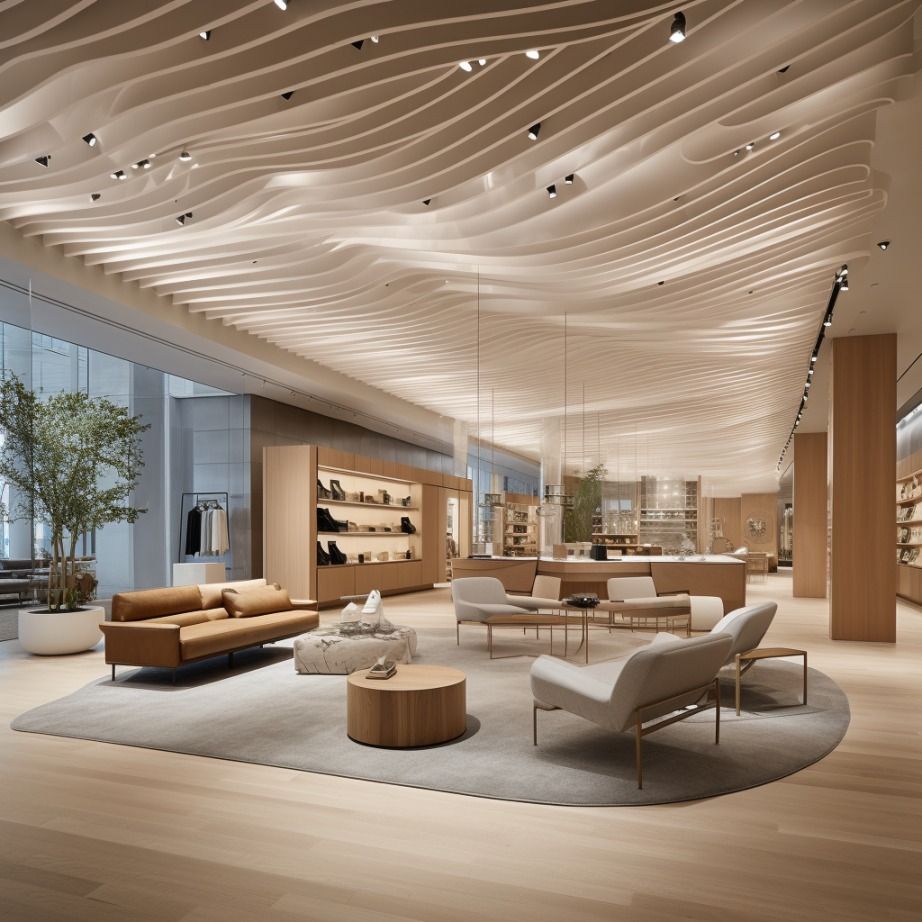
Designing for the Human Experience
At its core, all design is an attempt to solve a problem. Yet, for too long, the focus in fields from architecture to product development has been on function and aesthetics, often overlooking the most critical element: the person who will actually use the space or object. This is a fundamental oversight that a new, powerful movement seeks to correct. This is the era of human-centered design—a philosophy that places the human experience at the very heart of the creative process. It is a profound shift from merely making things to creating solutions that are empathetic, intuitive, and genuinely enrich our lives.
Human-centered design is not a single discipline but a collaborative approach that draws from psychology, anthropology, and sociology. It’s about designing with the user, not just for them. By understanding their needs, motivations, and pain points, we can create environments and products that feel natural, seamless, and deeply meaningful. This approach is transforming industries, from the way we build our homes to the way we interact with technology, ensuring that every design decision ultimately serves to improve the quality of human life.
The Foundational Principles of Human-Centered Design
The process of designing for the human experience is built on a series of interconnected principles that guide a project from conception to completion.
A. Empathy: Understanding the User
Before a single line is drawn or a single material is chosen, a human-centered design process begins with a deep, empathetic understanding of the user. This means stepping into their shoes, observing their behaviors, and listening to their stories.
- User Interviews and Ethnography: This involves speaking directly with people to understand their daily routines, challenges, and desires. Ethnographic research takes this a step further by observing people in their natural environments to uncover unspoken needs and behaviors that they might not even be aware of.
- Journey Mapping: By creating a “journey map,” designers can visualize a user’s entire experience with a product or service. This map highlights their emotions, actions, and pain points at every stage, revealing critical opportunities for design intervention.

B. Ideation: Generating Solutions
Once the design team has a deep understanding of the user, the focus shifts to generating a wide range of creative solutions. This is a stage of pure brainstorming, where no idea is too outlandish.
- Collaborative Brainstorming: The best ideas often emerge from a diverse group of people. Designers, engineers, and even end-users work together in workshops to generate as many ideas as possible. The goal is to encourage a free flow of thought, without judgment.
- Rapid Prototyping: The best way to test an idea is to build it. Rapid prototyping involves creating simple, low-fidelity versions of a product or a space—think cardboard models, wireframes, or even role-playing scenarios. This allows the team to quickly test ideas and get feedback without a significant investment of time or money.
C. Testing and Iteration
The human-centered design process is a continuous loop of testing and refinement. An idea is never truly finished; it’s always evolving based on feedback from real users.
- Usability Testing: This involves having real users interact with a prototype while the design team observes. The goal is to see how users navigate the design, identify points of confusion or frustration, and uncover opportunities for improvement.
- Feedback Loops: After a product or service is launched, the feedback loop continues. Designers use data analytics, user surveys, and customer support channels to continuously gather information and make incremental improvements.
The Impact on Specific Design Disciplines
The principles of human-centered design are being applied across a wide range of fields, fundamentally changing the way we create our world.
A. Architecture and Urban Planning
Human-centered architecture goes beyond building functional structures; it’s about creating environments that support human well-being and social connection.
- Biophilic Design: This approach integrates natural elements—such as living walls, indoor plants, and natural light—into buildings. Studies show that this can reduce stress, improve productivity, and accelerate healing.
- Designing for Accessibility: Human-centered design ensures that buildings are accessible to people of all abilities, not just by meeting legal requirements, but by creating spaces that are intuitive and welcoming for everyone.
- Community-Centric Urban Design: Urban planners are moving away from car-centric, sprawling cities and toward walkable, mixed-use neighborhoods. These designs encourage spontaneous social interaction, reduce the need for long commutes, and foster a stronger sense of community.
B. Product and Industrial Design
From smartphones to furniture, human-centered design is transforming the objects we use every day.
- Intuitive Interfaces: The best digital products are so easy to use that you don’t need instructions. This is the result of a human-centered design process that prioritizes simplicity and an intuitive user experience.
- Ergonomic Design: This is about designing objects that are comfortable and safe to use. An ergonomically designed chair, for example, is not just about looks; it’s about supporting a person’s posture and health over a long period.
- Emotional Design: This approach focuses on creating an emotional connection between the user and the product. A product that is a joy to use, or that brings a sense of nostalgia, has been designed to evoke a positive emotional response.
The Business Case for Human-Centered Design
While the moral and ethical case for human-centered design is clear, it also makes perfect business sense. Companies that adopt this approach see significant returns on their investment.
- Reduced Risk: By testing ideas with real users early in the process, companies can avoid costly mistakes and the risk of launching a product that no one wants.
- Increased Customer Loyalty: When customers feel that a product or service was designed with their needs in mind, they are more likely to become loyal advocates. This leads to increased word-of-mouth marketing and a stronger brand.
- Higher ROI: By creating products that truly solve a problem and provide a positive user experience, companies can achieve higher sales, lower customer support costs, and a better return on their investment.
In the end, designing for the human experience is not a trend; it’s a fundamental shift in how we approach creation. It’s a reminder that at the heart of every great invention, building, or product is the person who will use it. By putting the user first, we not only create better solutions but also build a more empathetic and meaningful world.

