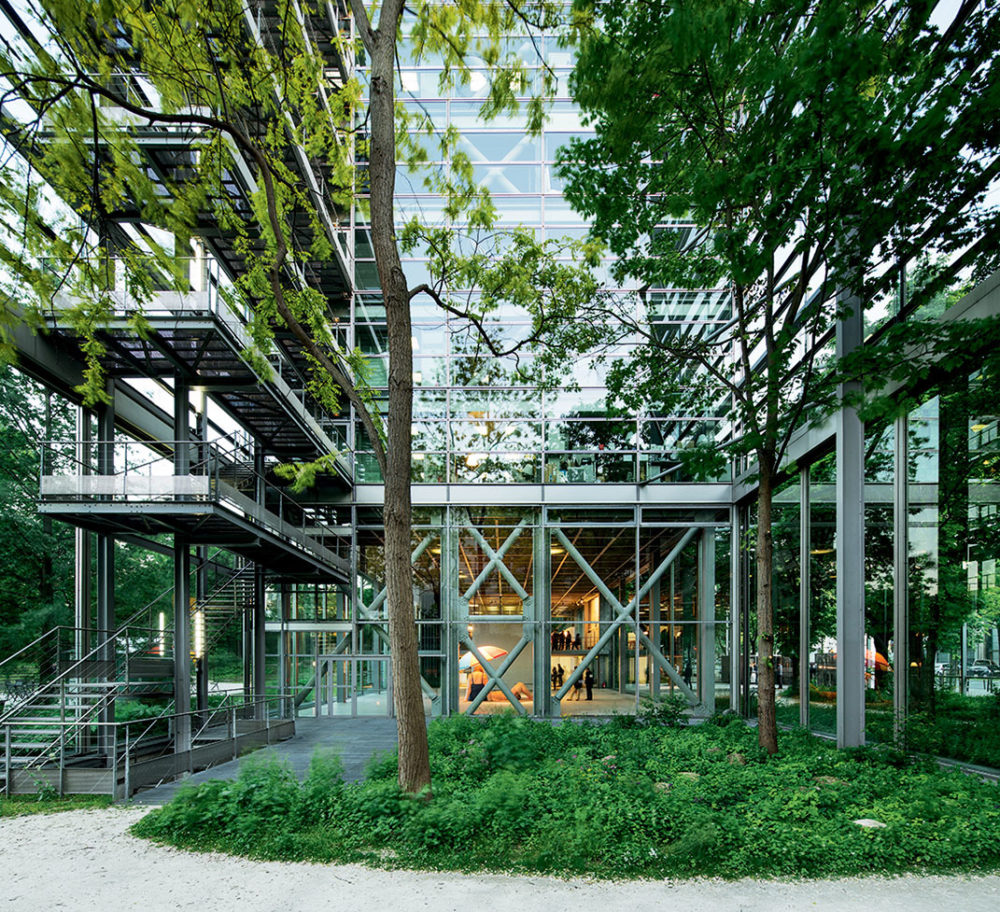
In an era defined by growing environmental concerns, the construction industry is undergoing a profound transformation. The traditional model of building, which often relied on resource-intensive methods and high-energy consumption, is no longer sustainable. A new philosophy has emerged, driven by a global imperative to create a more resilient and harmonious relationship between the built and natural worlds. This is the rise of eco-conscious building, a movement that is reshaping everything from architectural design to material science. It’s a fundamental shift from simply minimizing harm to actively creating positive environmental impact, promising a future where buildings are not just structures but integral parts of a healthy, functioning ecosystem.
This evolution is a response to the undeniable fact that the built environment is a major contributor to climate change, resource depletion, and pollution. By rethinking every stage of a building’s lifecycle—from the initial design and construction to its operation and eventual demolition—we can create a new generation of structures that are not only beautiful and functional but also regenerative and in harmony with the planet. This is more than just a trend; it is the new standard for a responsible and sustainable future.
The Core Principles of Eco-Conscious Building
Eco-conscious building is a holistic practice, built on several key principles that work in tandem to minimize environmental footprint and maximize ecological benefit.
A. Sustainable and Regenerative Design
The journey of an eco-conscious building begins long before the first shovel hits the ground. It starts with a design philosophy that integrates environmental principles from the outset.
- Biophilic Design: This approach seeks to connect a building’s occupants with the natural world. By incorporating natural light, ventilation, water features, and green spaces—such as living walls and indoor gardens—designers can create environments that reduce stress, improve air quality, and enhance overall well-being.
- Passive Design Strategies: The most sustainable energy is the energy you don’t use. Passive design leverages a building’s orientation, climate, and site to minimize the need for mechanical heating and cooling. This includes using large windows to maximize natural light, creating natural ventilation corridors, and using thermal mass to regulate indoor temperatures.
- Lifecycle Thinking: This principle considers the environmental impact of a building from “cradle to grave.” It analyzes everything from the energy used to manufacture and transport materials to the resources needed for maintenance and eventual demolition. The goal is to design buildings that can be easily repurposed or deconstructed at the end of their lives, with materials that can be recycled or composted.

B. Material Selection and Sourcing
The materials used in a building are a key determinant of its environmental impact. Eco-conscious builders prioritize materials that are renewable, recycled, locally sourced, and have low embodied energy.
- Renewable and Recycled Materials: Instead of using resource-intensive materials like steel and concrete, builders are turning to renewable resources such as bamboo and certified timber. They are also using materials with a high recycled content, like recycled steel and reclaimed wood, to reduce demand for virgin resources.
- Low-Impact and Non-Toxic Materials: Traditional building materials can release harmful chemicals into the air, a process known as off-gassing. Eco-conscious builders use materials that are non-toxic, such as low-VOC (volatile organic compounds) paints and natural insulation like cork and wool.
- Local Sourcing: By sourcing materials from local suppliers, builders can significantly reduce the carbon footprint associated with transportation. This also supports local economies and promotes a greater sense of connection to the surrounding area.
C. Energy Efficiency and Renewable Integration
Once a building is constructed, its largest environmental impact comes from its operational energy use. Eco-conscious building focuses on drastically reducing this consumption and meeting the remaining demand with clean, renewable energy.
- High-Performance Envelopes: A building’s “envelope”—its roof, walls, windows, and foundation—is the first line of defense against heat loss and gain. Modern eco-conscious buildings use advanced insulation, high-performance windows, and airtight construction to minimize energy waste.
- On-Site Renewable Energy: The integration of renewable energy systems is a hallmark of green building. This includes rooftop solar panels, geothermal heating and cooling, and even small-scale wind turbines. These systems allow buildings to generate their own clean energy, moving them toward a state of net-zero or even net-positive energy consumption.
- Smart Building Technology: AI-powered building management systems are optimizing energy use in real-time. These systems can automatically adjust lighting, heating, and cooling based on occupancy and external conditions, ensuring that energy is never wasted.
D. Water Management and Conservation
Water is a precious resource, and eco-conscious buildings are designed to use it as efficiently as possible.
- Water-Efficient Fixtures: Simple changes, such as installing low-flow toilets and faucets, can dramatically reduce a building’s water consumption.
- Rainwater Harvesting: Rainwater harvesting systems collect and store rainwater for non-potable uses like flushing toilets, watering plants, and doing laundry. This reduces the strain on municipal water supplies.
- Greywater Recycling: Greywater, which is water from sinks, showers, and laundry, can be filtered and reused for non-potable purposes, further reducing a building’s water footprint.
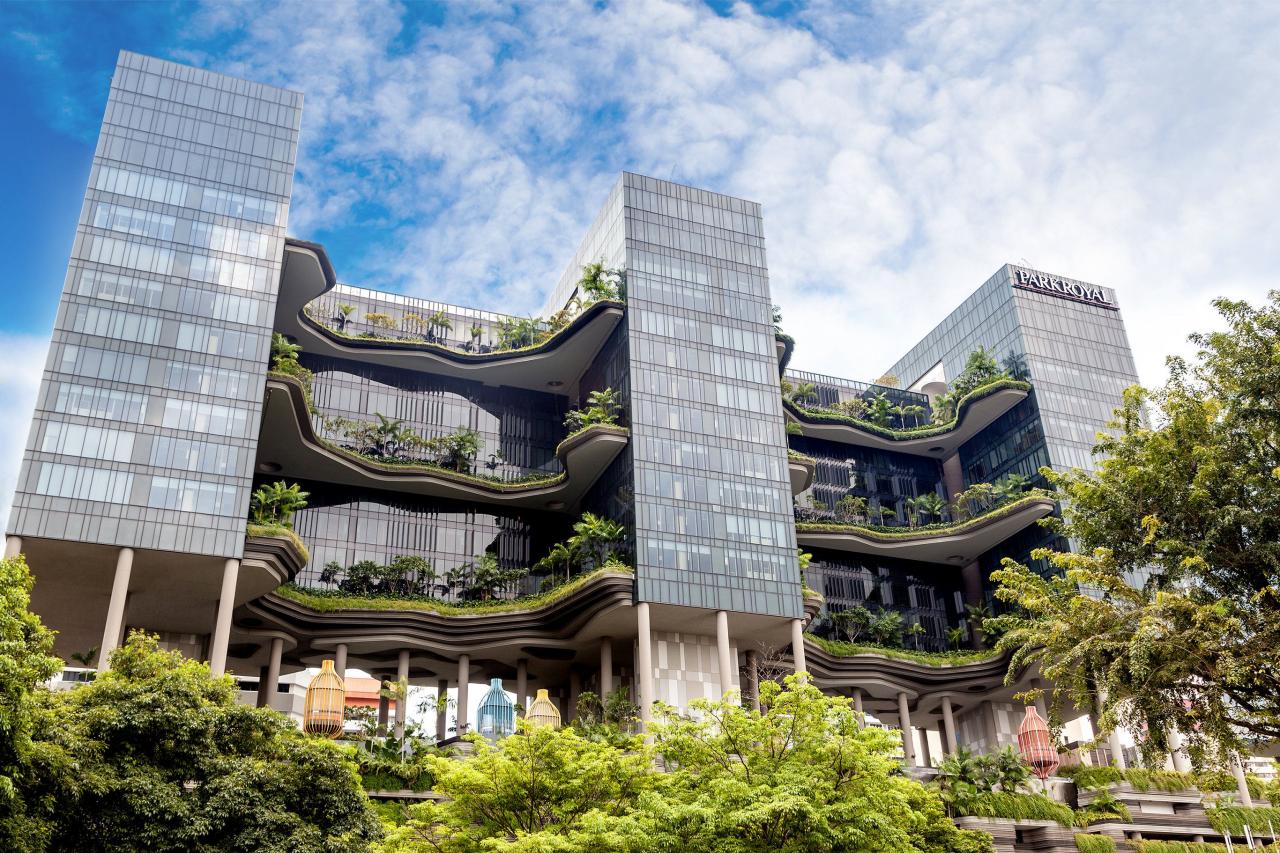
The Promise of a Sustainable Future
The shift toward eco-conscious building is more than just an environmental imperative; it’s a smart economic and social choice. Green buildings often have lower operational costs due to reduced energy and water consumption. They also create healthier and more productive environments for occupants, leading to fewer sick days and higher employee satisfaction. From a global perspective, this movement is a crucial step toward mitigating climate change and creating a more resilient future for all. While the challenges are immense, from the initial cost of sustainable materials to the need for new skills and regulations, the long-term benefits are too great to ignore.
As architects, engineers, and builders continue to innovate, the line between the built and natural environments will blur, giving rise to a new generation of structures that are truly in harmony with the planet. This is a journey from building for today to building a sustainable tomorrow.

