Breathing New Life into Old Buildings
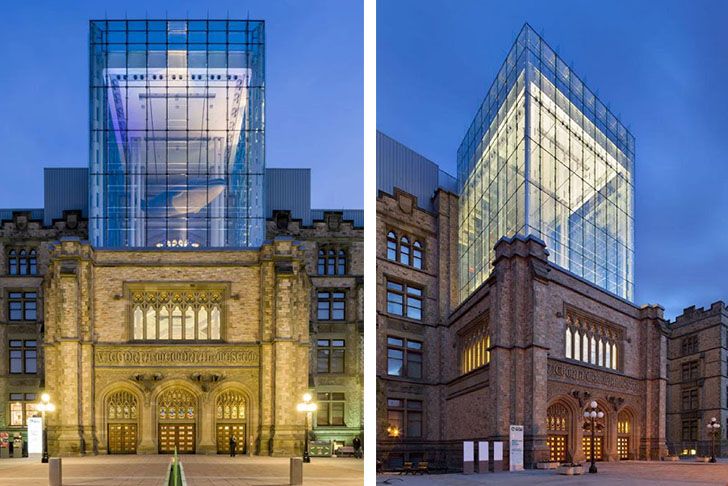
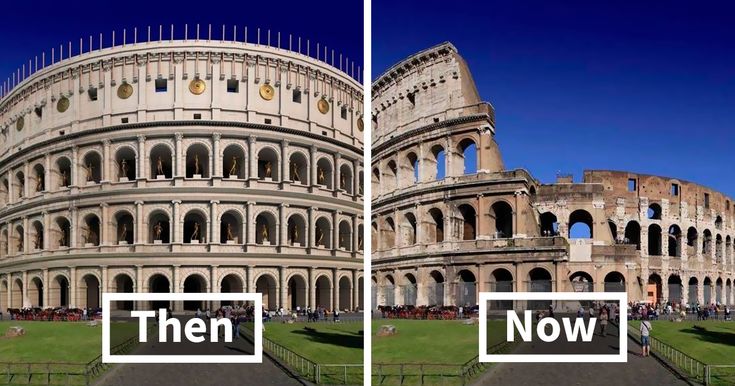
In a world obsessed with the new, there’s a growing appreciation for the old. Historic structures, once seen as relics of a bygone era, are now being recognized for their immense potential. They are not just architectural artifacts but living canvases for modern life. The act of reimagining historic structures for today is a powerful movement that blends the rich tapestry of the past with the innovative demands of the present. This practice goes beyond simple preservation; it’s a dynamic process of transformation, where old buildings are given a new purpose, ensuring their legacy endures for generations to come.
This creative rebirth is driven by a deep understanding that historic buildings offer unique benefits that new constructions simply cannot replicate. They possess a character, a sense of place, and a story that adds immense value to a community. By adaptively reusing these structures, we not only honor our cultural heritage but also champion a more sustainable and responsible approach to development. It’s a powerful act of urban regeneration that revitalizes neighborhoods, reduces waste, and creates a more authentic and diverse urban fabric.
The Foundational Principles of Adaptive Reuse
The successful transformation of a historic building is a complex, multi-faceted process that requires a delicate balance of respect for the past and vision for the future. Several core principles guide this practice.
A. Preserving Historical Integrity
At the heart of every adaptive reuse project is a commitment to preserving the building’s historical and architectural significance. This means carefully studying its history, understanding its original purpose, and identifying the key features that define its character.
- Documentation and Research: Before any work begins, a thorough historical analysis is essential. This includes researching old photographs, architectural plans, and historical records to understand the building’s original design and evolution.
- Respecting Original Materials and Craftsmanship: Wherever possible, original materials—such as brickwork, timber, or stone—are preserved and restored. This honors the craftsmanship of the past and maintains the building’s authentic character. When new materials are needed, they are chosen to be compatible with the old, ensuring they do not cause damage.
- Highlighting Key Features: Rather than hiding historical elements, modern design can highlight them. An old brick wall, a beautifully carved ceiling, or a grand staircase can become the centerpiece of a new interior, creating a powerful dialogue between the old and the new.
B. Innovative and Functional Redesign
The challenge of adaptive reuse lies in making an old building function in a modern world. This requires creative and innovative design solutions that address contemporary needs without compromising the building’s historical integrity.
- Flexible Floor Plans: Many historic buildings have rigid layouts that don’t suit modern living or work styles. Architects use creative solutions, such as open floor plans or movable walls, to create flexible spaces that can adapt to different uses, from an art gallery to a modern office.
- Integrating Modern Technology: Historic structures can be seamlessly integrated with modern technology. This includes everything from efficient HVAC systems and smart lighting to advanced security and data networks, ensuring the building is comfortable, safe, and technologically sound.
- Accessibility and Code Compliance: Bringing an old building up to modern building codes and accessibility standards can be one of the biggest challenges. Innovative design solutions, such as adding discreet elevators or ramps, are often required to make the building accessible to everyone while preserving its aesthetic appeal.
C. The Social and Economic Benefits
Beyond the aesthetic and environmental advantages, the adaptive reuse of historic structures offers significant social and economic benefits to a community.
- Revitalizing Neighborhoods: Repurposing an old factory or a historic school can become a catalyst for neighborhood revitalization. These projects attract new businesses, residents, and visitors, breathing new life into a previously neglected area.
- Promoting Economic Growth: Adaptive reuse projects often create local jobs during the construction phase and support ongoing economic activity through new businesses and tourism.
- Creating a Unique Sense of Place: Unlike new, uniform developments, historic buildings provide a unique character and a sense of history that attracts people. They become cultural anchors, giving a neighborhood a distinct identity that fosters local pride and a sense of belonging.
D. Sustainability in Practice
From an environmental perspective, reusing a historic building is one of the most sustainable things you can do. It’s a powerful statement against the “tear down and rebuild” culture that dominates much of modern development.
- Reduced Waste and Resource Consumption: The largest environmental impact of a building is often in its construction. By reusing an existing structure, you save all the materials, energy, and water that would have been used to build a new one.
- Lower Carbon Footprint: The “embodied energy”—the energy used to produce, transport, and assemble building materials—of a historic structure is already spent. By preserving it, we avoid creating the massive carbon footprint associated with new construction.
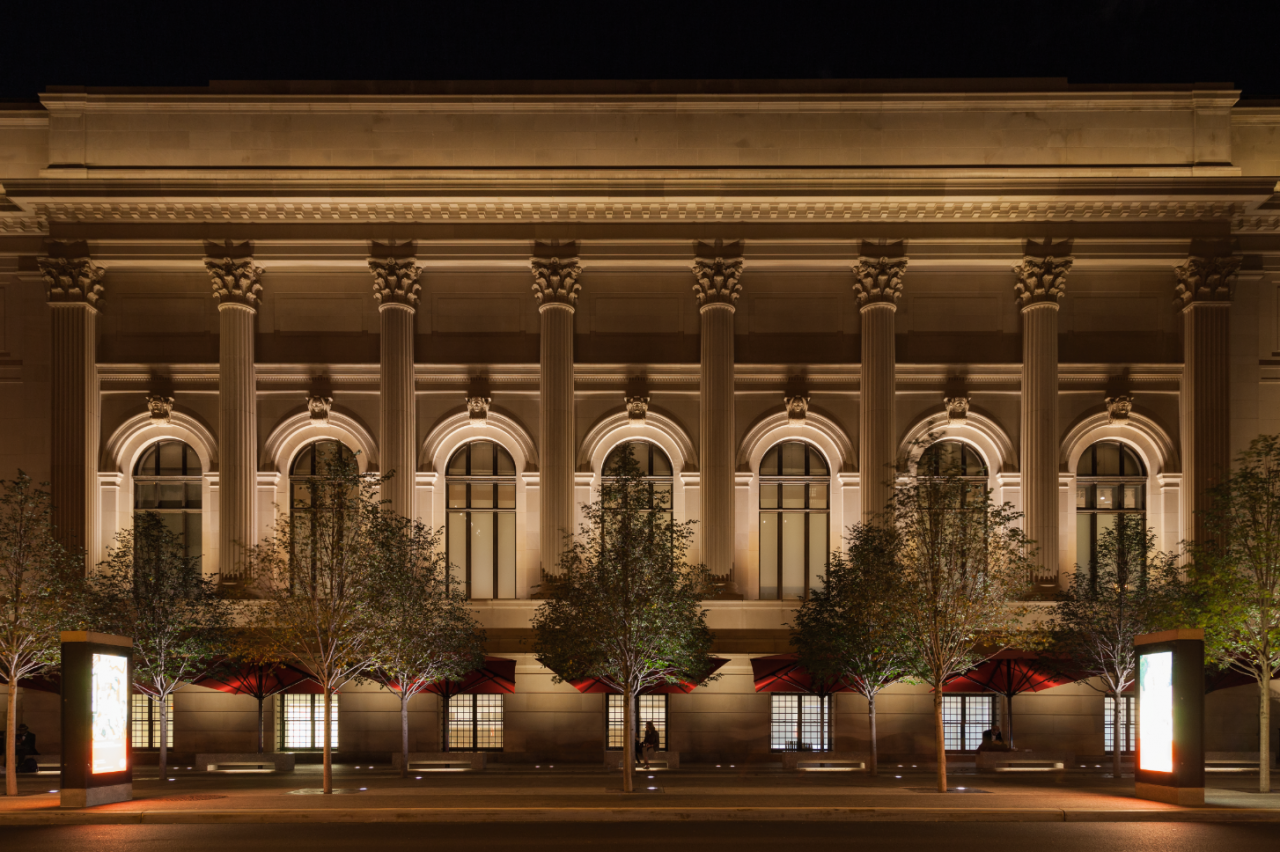
- Passive Design Principles: Many older buildings were designed with passive features to manage climate, such as thick walls for insulation or large windows for natural light. Modern renovations can enhance these features, making the building more energy-efficient and comfortable.
The Future of Historic Buildings
The practice of reimagining historic structures is not just a passing trend; it is a fundamental shift in how we approach urban development. As more cities recognize the value of their architectural heritage, we will see more creative and inspired transformations. The future of our cities lies not just in building from scratch, but in thoughtfully and intelligently weaving the past into the fabric of the present. By preserving the soul of a building while giving it a new purpose, we can create places that are not only beautiful and functional but also rich with history and meaning.

