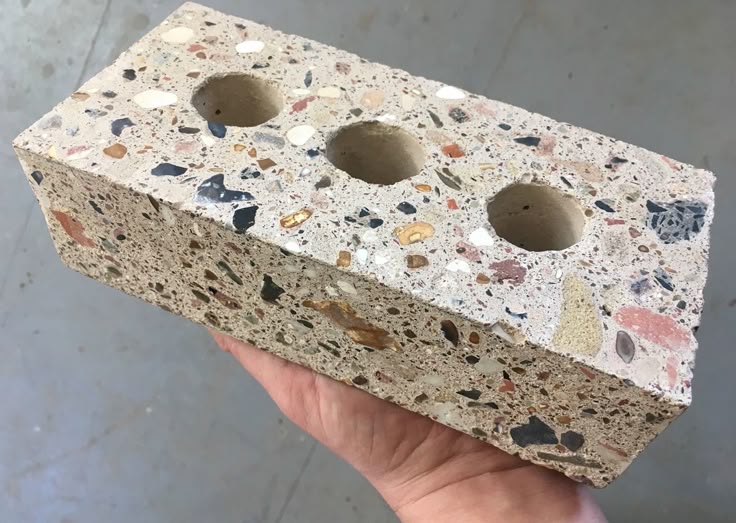
For millennia, the foundation of human civilization has been built with the most basic materials: earth, stone, and wood. Later came concrete and steel, which enabled the vertical ambitions of our modern cities. Yet, as we face the dual pressures of climate change and rapid urbanization, the materials of the past are no longer sufficient. We are now on the cusp of a new material revolution, where a blend of scientific ingenuity, sustainable practices, and technological innovation is fundamentally changing what our buildings are made of. This is the future of construction, a world beyond bricks, where materials are not just strong but also intelligent, regenerative, and environmentally conscious.
This shift is more than just an engineering feat; it’s a philosophical change in how we view the built environment. It’s a move from a linear “take, make, dispose” model to a circular one where buildings are designed to be part of a larger, regenerative ecosystem. The materials of tomorrow will not only form the skeleton of our structures but will also actively contribute to their energy efficiency, air quality, and overall health.
The New Era of Construction Materials
The future of building is being shaped by several key categories of materials, each offering unique solutions to the challenges of modern construction.
A. Self-Healing and Adaptive Materials
Imagine a building that can repair its own cracks or a road that mends its own potholes. This is no longer science fiction. Self-healing materials are designed with micro-capsules or specialized polymers that are activated by damage, releasing a healing agent that restores the material’s integrity.
- Self-Healing Concrete: This revolutionary material contains bacteria that, when exposed to air and moisture from a crack, produce limestone to fill the void. This technology drastically extends the lifespan of concrete structures, reducing the need for costly and resource-intensive repairs.
- Smart Glass: Glass is no longer just for letting in light. Smart glass can automatically tint or change its transparency in response to light conditions, reducing the need for air conditioning and lowering energy costs.
- Responsive Coatings: Coatings for buildings can change their color or texture to reflect more heat in the summer and absorb more in the winter, acting as a dynamic thermal regulator.
B. Sustainable and Regenerative Materials
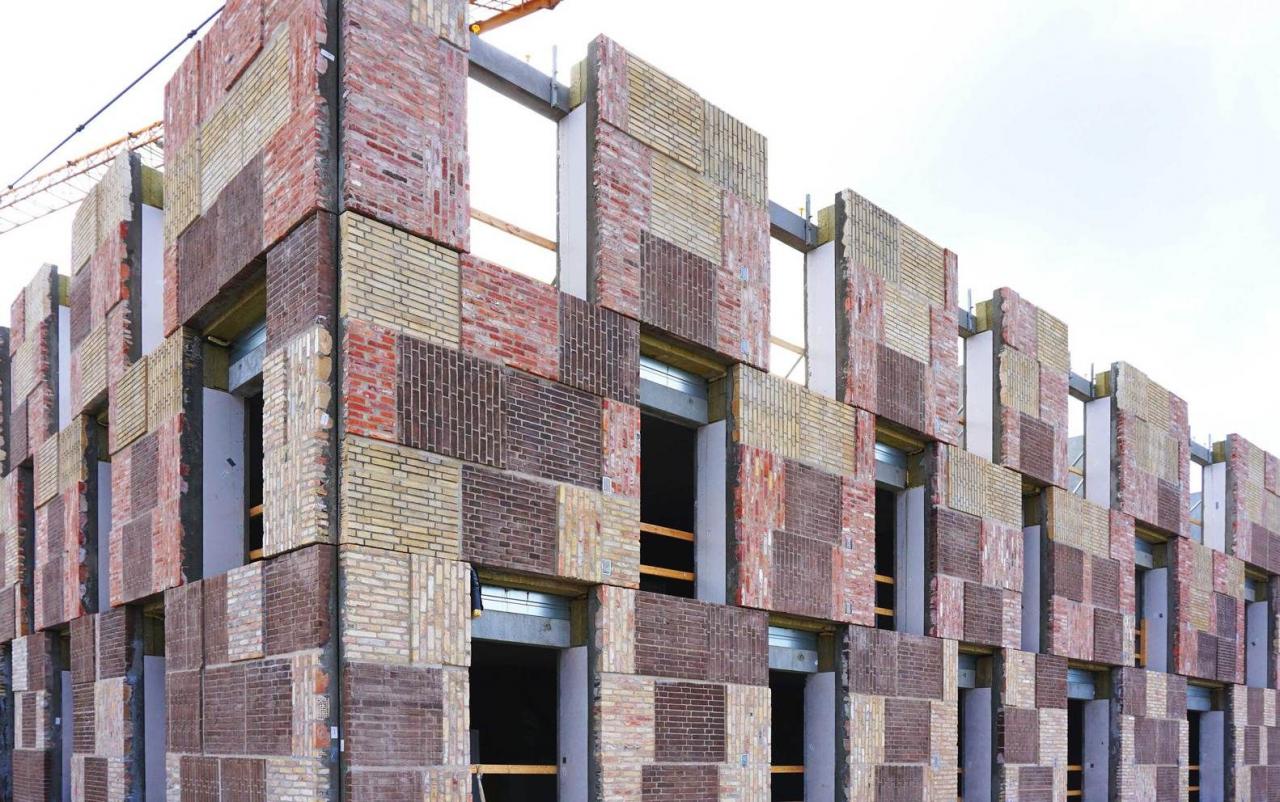
The construction industry is a major contributor to global carbon emissions. The new generation of materials is focused on minimizing this impact by being sourced from renewable resources, using recycled content, or even sequestering carbon.
- Mass Timber and Engineered Wood: Mass timber, such as Cross-Laminated Timber (CLT), is a strong, lightweight, and carbon-sequestering alternative to steel and concrete. Buildings made from mass timber not only store carbon but also create warmer, more inviting living spaces.
- Recycled and Upcycled Materials: From bricks made of recycled glass and plastic waste to insulation created from discarded textiles, a wide range of materials are being given a second life. This reduces the amount of waste sent to landfills and lowers the environmental impact of construction.
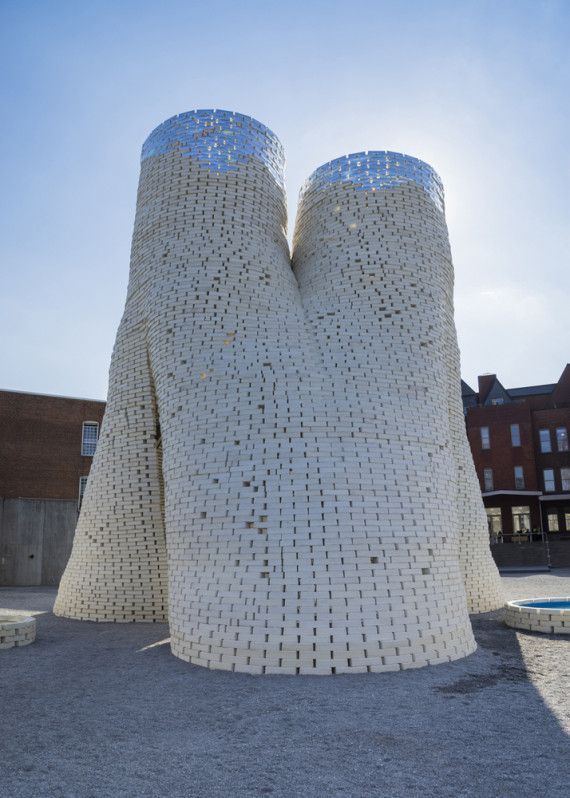
- Mycelium-Based Materials: Made from the root structure of fungi, these materials are grown in a mold and can be used to create everything from insulation to structural blocks. Mycelium-based materials are a renewable, compostable, and carbon-neutral alternative to traditional building products.
C. High-Performance and Nano-Materials
Nanotechnology is allowing us to manipulate materials at the atomic and molecular level, unlocking properties that were once unimaginable. These materials are lighter, stronger, and more efficient than anything that has come before.
- Aerogel: Often called “frozen smoke,” aerogel is one of the lightest solid materials on earth and an incredibly effective insulator. Its use in construction can drastically reduce a building’s energy consumption.
- Graphene-Enhanced Composites: By adding tiny amounts of graphene, a single layer of carbon atoms, to materials like concrete or plastic, their strength, durability, and conductivity can be dramatically improved. This could lead to a new generation of stronger, lighter building products.
- 3D-Printed Materials: The advent of large-scale 3D printing is revolutionizing construction. Buildings can now be printed layer by layer using a variety of materials, from concrete to recycled plastics. This method reduces waste, speeds up construction time, and allows for the creation of complex, organic shapes that were once impossible to build.
The Economic and Environmental Impact
The shift to these new materials is not just about technological advancement; it is a critical step toward creating a more sustainable and economically resilient future.
- Reduced Carbon Footprint: The new materials offer a clear path to a decarbonized construction industry. By using materials that store carbon or have a lower embodied energy, we can significantly reduce the environmental impact of building and renovation.
- Increased Durability and Lower Maintenance Costs: Self-healing and high-performance materials are designed to last longer and require less maintenance. This not only saves money in the long run but also reduces the environmental impact of constant repairs and replacements.
- New Economic Opportunities: The development and manufacturing of these new materials are creating a new green economy, driving innovation and creating jobs in sustainable technology and circular design.
The Challenge of Adoption
Despite the immense potential, the widespread adoption of these new materials faces several hurdles. The initial cost can be high, and there is a need for new regulatory frameworks and updated building codes to accommodate these innovations. However, as the materials become more common and the technology matures, these barriers will likely decrease.
In the end, the future of our built environment will not be defined by the concrete and steel of the past. It will be built with intelligence, sustainability, and a deep understanding of our planet’s needs. We are now on the threshold of an architectural and engineering renaissance, where the materials of our buildings will be as sophisticated as the people who inhabit them.

