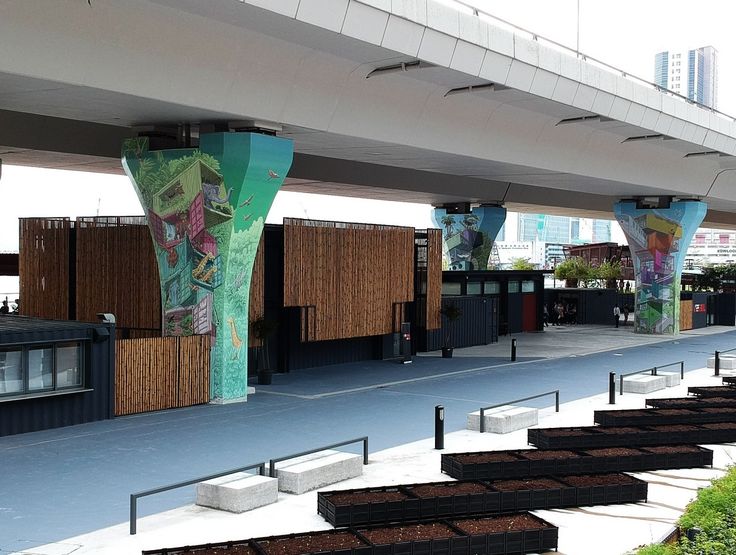
As the global population continues its relentless migration toward urban centers, the very nature of our cities is being challenged. What were once bustling hubs of commerce are now grappling with a host of pressing issues: gridlock that chokes the air, a severe scarcity of affordable housing, and a palpable disconnect from the natural world. The traditional model of a city, built for industry and the automobile, is no longer a viable blueprint for the future. Today, a new global movement is underway, driven by a powerful imperative to fundamentally rethink how we design, manage, and inhabit urban spaces. This is the era of the regenerative city, a vision that prioritizes not just efficiency, but human well-being, ecological harmony, and genuine community.
This paradigm shift marks a departure from purely functional urban planning to a more holistic, human-centered approach. It recognizes that a city is more than just a collection of buildings and roads; it is a living, breathing ecosystem where people, technology, and nature must coexist in a balanced, symbiotic relationship. By leveraging cutting-edge technology and a deep understanding of social and environmental needs, urban innovators are crafting a future where cities are not just places to live, but vibrant, healthy, and genuinely inspiring places to call home.
Foundational Principles of the Regenerative City
The transformation of urban spaces is built upon several core principles that work in concert to create a more integrated, dynamic, and resilient environment.
A. The Human-Scale Revolution
For decades, cities were designed for the efficiency of machines and the movement of goods, leading to vast, inhuman scales and isolated neighborhoods. The new vision brings the focus back to the individual, prioritizing the experience of walking, cycling, and lingering in public spaces.
- The 15-Minute City: This concept is a powerful driver of contemporary urban design. It’s a framework where residents can access all their essential needs—work, school, shopping, healthcare, and recreation—within a short 15-minute walk or bike ride from their homes. This drastically reduces reliance on private vehicles, lowers carbon emissions, and fosters a strong sense of local community.
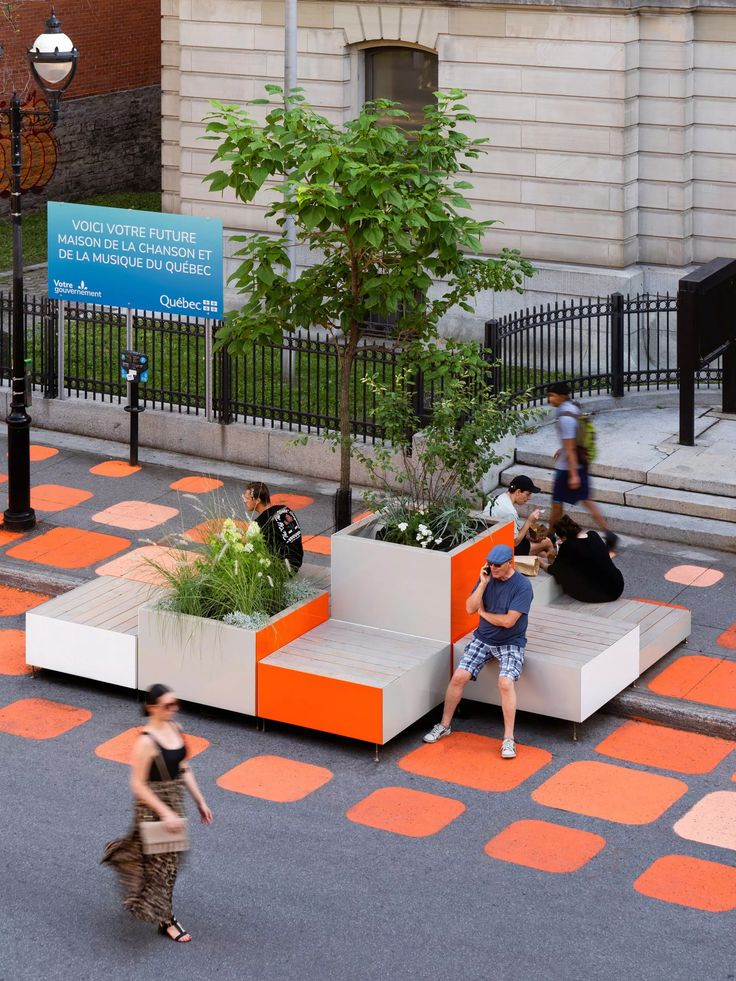
- Tactical Urbanism: This approach uses short-term, low-cost interventions to test new urban ideas. Think of pop-up parks in unused parking lots, temporary bike lanes, or street art initiatives. These small projects allow communities to experiment with new public spaces and provide valuable feedback for long-term planning, making urban design a collaborative, bottom-up process.
- Pedestrian-Centric Streets: Streets are being redesigned to be more than just thoroughfares. They are being reclaimed as public spaces with wider sidewalks, dedicated and protected bike lanes, and urban furniture like benches and public art. This transformation makes cities more accessible and enjoyable for everyone, regardless of their mode of transportation.
B. Integrating Nature into the Urban Fabric
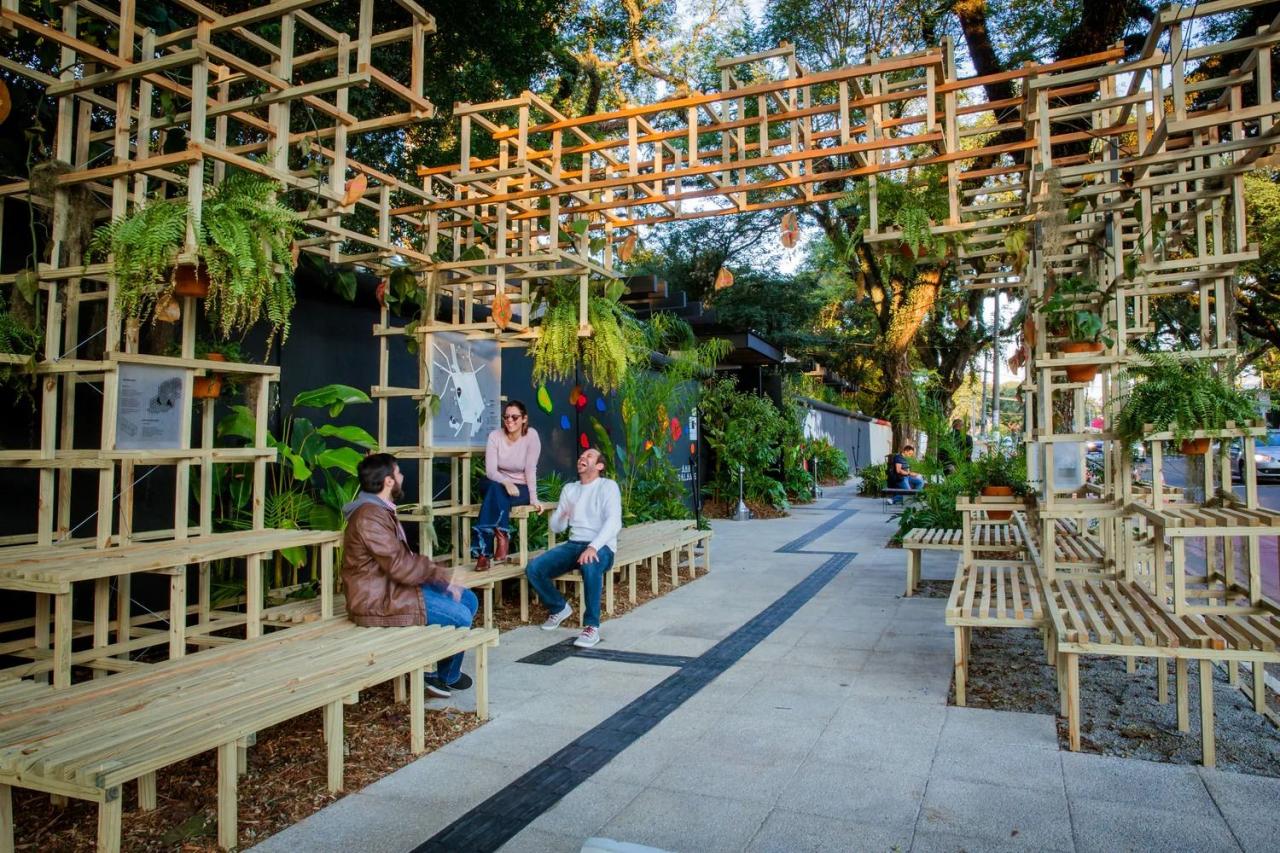
The concrete jungles of the past are giving way to new models that seamlessly weave natural ecosystems into the built environment. This biophilic urbanism is more than just a beautification effort; it’s a critical strategy for improving public health and environmental resilience.
- Urban Green Infrastructure: Parks, green roofs, and urban forests are no longer considered luxuries; they are now recognized as essential infrastructure. They help manage stormwater, reduce the urban heat island effect, improve air quality, and serve as critical habitats for local wildlife.
- Living Walls and Vertical Farms: In dense urban areas where horizontal space is limited, the vertical surfaces of buildings are being transformed. Living walls, covered in plants, act as natural air purifiers, while vertical farms allow cities to grow fresh, local produce, reducing food miles and supporting a healthier diet for residents.
- Regenerative Water Systems: Cities are innovating with advanced systems to manage water resources. This includes everything from rainwater harvesting for non-potable use to permeable pavements that allow water to filter back into the ground, reducing the strain on drainage systems and replenishing local aquifers.
C. The Smart City: A Data-Driven Approach
Technology is the engine driving the new urban vision, providing planners and citizens with unprecedented tools to create more efficient and responsive cities.
- Real-Time Data Analytics: IoT sensors embedded in infrastructure are monitoring a city’s pulse in real-time. This data is used to optimize traffic flow, alert sanitation crews to full bins, and even provide early warnings for air pollution spikes. This data-driven approach allows city managers to be proactive, not just reactive.
- Predictive Urban Planning: AI algorithms can analyze historical data to predict patterns in population growth, traffic congestion, and resource consumption. This allows planners to make proactive, data-driven decisions and design for future needs, rather than simply reacting to current problems.
- Digital Twins: Creating a “digital twin” of a city—a virtual, dynamic replica of the physical environment—allows planners to simulate the impact of new projects, from a new park to a high-rise building, before they are ever built. This minimizes risks, optimizes outcomes, and ensures that new developments fit seamlessly into the existing urban fabric.
D. Community and Social Equity
At the core of these innovations is a powerful commitment to creating cities that are equitable and inclusive. A truly successful urban space is one that serves all its residents, regardless of income, background, or ability.
- Mixed-Use Development: The old model of separating residential, commercial, and retail zones is being replaced by integrated neighborhoods where people can live, work, and play in the same area. This encourages spontaneous social interaction, supports local businesses, and drastically reduces the need for long commutes.
- Participatory Urban Design: Urban planning is increasingly becoming a collaborative process. Community members are being included in the design of new parks, public spaces, and housing developments. This ensures that new projects truly meet the needs of the people who will use them.
- Equitable Access to Services: This new vision ensures that all residents, regardless of their neighborhood, have access to essential services like quality healthcare, fresh food, and recreational spaces. It’s about building a city where everyone has a fair chance to thrive.
The Promise of the Regenerative City
The complete overhaul of urban living is a monumental task, but the benefits are too great to ignore. This movement promises a future where cities are not just efficient hubs of commerce, but thriving, healthy, and beautiful places to live. By focusing on sustainability, technology, and community, we can build a new kind of urban life—one that is in harmony with both people and the planet. The challenges are real, from political and economic hurdles to the scale of the projects, but the potential rewards—a truly livable and resilient urban future—are worth the effort.
This new vision of urban living is a testament to human creativity and our capacity to adapt. It is a journey from the old, industrial model of a city to a new, living ecosystem—one that is smarter, greener, more equitable, and, most importantly, centered on the human experience. As more cities embrace these principles, we will begin to see a future where urban living is not just a necessity, but a genuine source of inspiration, health, and fulfillment.

