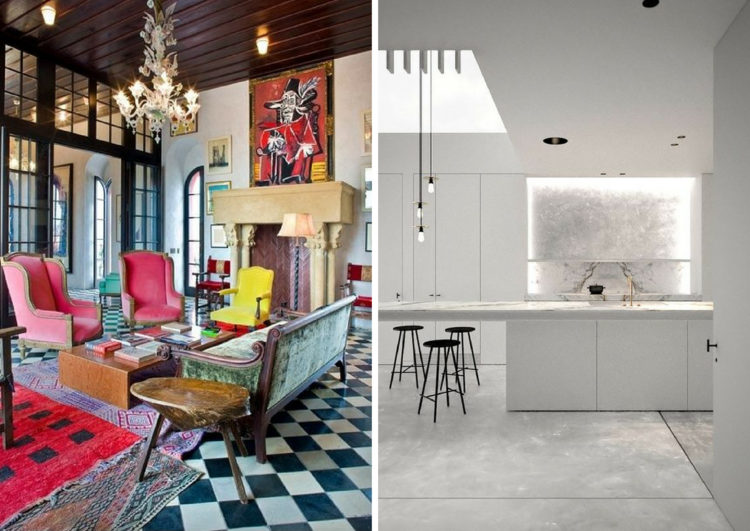
Finding Serenity in a World of Excess
In an era defined by relentless consumption, constant digital noise, and the pressure to achieve more, a powerful counter-narrative is emerging. It is a philosophy not of lack, but of purpose. This is minimalism—the art of living with intention, the practice of simplifying life to focus on what truly matters. It’s a quiet, profound rebellion against the maximalist world, offering a path to clarity, financial freedom, and genuine fulfillment.
Minimalism is often misunderstood as a sterile aesthetic or an extreme form of deprivation. In reality, it’s a deeply personal journey of self-discovery. It’s about questioning the default, rejecting the notion that happiness can be purchased, and finding joy in the simple, deliberate act of living. From our homes to our relationships, from our finances to our digital habits, the principles of minimalism offer a framework for a more meaningful existence.
The Foundational Principles of a Minimalist Life
Adopting a minimalist lifestyle is not a one-size-fits-all solution; it’s a conscious, ongoing process of refinement. The journey typically begins with a focus on one’s physical surroundings before expanding into other areas of life.
A. Decluttering and Curating Your Physical Space
The most tangible aspect of minimalism is the process of removing non-essential items from your life. This isn’t just about making your space tidier; it’s a deep exercise in self-reflection and decision-making. Each item you choose to keep or discard forces you to confront its true value to your life.
- The Intentional Approach: Instead of simply throwing things away, a minimalist asks why they acquired an item in the first place. Was it an impulse buy? A gift? A possession kept out of a sense of obligation? This reflection helps prevent future clutter.
- The Joy Test: Popularized by Marie Kondo, this method encourages you to handle each item and ask if it “sparks joy.” It’s a powerful way to connect your possessions to your emotional well-being and to let go of items that no longer serve you.
- Creating Functional Systems: Minimalism isn’t about empty rooms. It’s about creating an environment where everything has a purpose and a place. This functional approach ensures that your space supports your life, rather than cluttering it.
B. Embracing Financial Simplicity
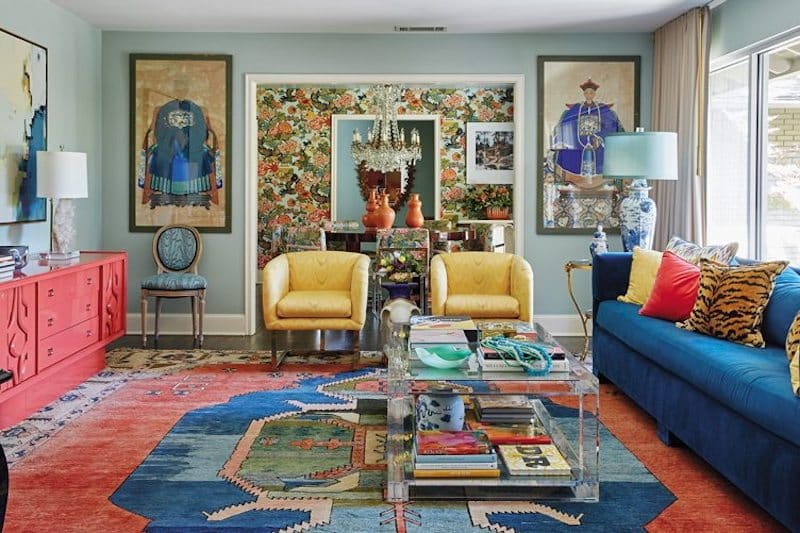
In a maximalist world, consumerism is often an unconscious default. Minimalism provides a different lens, encouraging conscious spending and a shift in financial priorities. When you own less, you realize you need to buy less, which can have a profound impact on your financial health.
- Lowered Expenses and Debt Reduction: A minimalist lifestyle naturally leads to a reduction in spending. Fewer possessions mean less to maintain, insure, and replace. This allows for greater savings and can accelerate the journey toward becoming debt-free.
- Investing in Experiences, Not Things: Minimalists often redirect their resources away from material possessions and toward experiences that enrich their lives. This could be a trip, a class to learn a new skill, or quality time spent with loved ones.
- Conscious Consumption: This principle is about being aware of the impact of every purchase. It involves choosing high-quality, long-lasting items, supporting sustainable brands, and rejecting the “buy-and-discard” cycle that drives modern consumerism.
C. The Digital and Mental Detox
Our physical spaces aren’t the only ones that can become cluttered. The digital world, with its constant notifications, endless feeds, and endless information, can be a major source of stress and distraction. A minimalist approach to the digital world is about reclaiming your time and focus.
- Curating Your Digital Environment: This involves unsubscribing from junk emails, deleting unused apps, and organizing your digital files. The goal is to create a digital space that is clean, functional, and free from unnecessary distractions.
- The Social Media Audit: We often follow accounts out of habit rather than genuine interest. A digital audit involves unfollowing accounts that don’t add value to your life and curating a feed that is inspiring, educational, or uplifting.
- Mindful Online Engagement: Instead of mindlessly scrolling, a minimalist approaches online time with intention. This could involve setting specific times for checking email, engaging in focused learning, or connecting with friends and family.
D. Strengthening Relationships and Connections
Minimalism’s focus on intentionality extends to our social lives. By reducing commitments and distractions, we free up time and energy to invest in the relationships that matter most.
- Quality over Quantity: This principle applies to friendships as well. Instead of having a large number of superficial acquaintances, minimalists often focus on nurturing a smaller number of deep, meaningful connections.
- The Power of Presence: When you’re not preoccupied with possessions or endless to-do lists, you can be fully present with the people you’re with. This deepens conversations and strengthens bonds, leading to more fulfilling relationships.
- Setting Boundaries: Minimalism encourages setting clear boundaries to protect your time and energy. This could mean saying no to social obligations that don’t align with your values or prioritizing quality time with family.

The Transformative Benefits of Minimalism
The payoff for this intentional living is profound and far-reaching. Beyond a tidy home and a healthy bank account, minimalism can lead to a more peaceful, purposeful, and fulfilling life.
- A Decrease in Stress and Anxiety: The mental burden of managing, organizing, and worrying about a large number of possessions is immense. Minimalism removes this burden, creating a sense of calm and mental clarity.
- More Time and Energy: Owning less means spending less time shopping, cleaning, and maintaining possessions. This newfound time and energy can be dedicated to personal growth, creative pursuits, hobbies, or simply relaxing.
- Environmental Responsibility: Conscious consumption is a core tenet of minimalism. By buying less and choosing sustainable products, minimalists reduce their environmental footprint, contributing to a healthier planet.
- Unlocking Creativity and Focus: With fewer distractions, the mind is free to focus on what’s important. This clarity can lead to increased creativity, better problem-solving skills, and a deeper sense of purpose.
- A Deeper Sense of Gratitude: When you have less, you learn to appreciate what you do have. This shift from a mindset of constant wanting to one of gratitude can lead to greater happiness and contentment.
Minimalism’s Place in a Modern World
Minimalism is not a new concept; its roots can be found in ancient philosophies and spiritual traditions. However, its modern resurgence is a direct response to the pressures of a maximalist, consumer-driven society. It’s a quiet rebellion against the notion that happiness can be bought. As we face global challenges like climate change, economic uncertainty, and social disconnection, the principles of living with less are more relevant than ever. Minimalism shows us that true wealth isn’t measured in possessions but in freedom, time, and purpose. It is a powerful reminder that sometimes, the best way to gain more is to live with less.

