
The architectural and construction industries are on the brink of a revolution. As the global community confronts the urgent realities of climate change and resource depletion, a profound shift is underway, moving away from traditional, carbon-intensive materials and towards a new era of sustainable innovation. This isn’t just about using “green” materials; it’s a holistic approach that redefines how buildings are designed, constructed, and ultimately, how they interact with their environment. The materials of tomorrow are not only durable and high-performing but are also intelligently sourced, regenerative, and integrated with cutting-edge technology. They represent a fundamental rethinking of our built world, promising a future that is both environmentally responsible and aesthetically brilliant.
A. Rethinking the Building Block: A New Material Palette
For centuries, the foundation of modern construction has been concrete, steel, and timber. While these materials have served us well, their environmental footprint is undeniable. The production of cement, for example, is a major contributor to global CO2 emissions. This reality has spurred architects, engineers, and scientists to explore a new palette of materials that are less destructive and more aligned with circular economy principles.
- Mycelium: The Fungal Future. Mycelium, the root structure of fungi, is a fascinating and highly sustainable material. Grown on agricultural waste, it can be molded into bricks, insulation panels, and even furniture. Mycelium-based materials are lightweight, fire-resistant, and completely biodegradable, offering a viable alternative to traditional foams and plastics. This is a prime example of biomimicry, where we learn from nature to create high-performance solutions.
- Hempcrete: A Natural Carbon Sink. Hempcrete is a biocomposite material made from hemp hurds (the woody inner part of the hemp stalk) mixed with lime and water. It is not a structural material but is an excellent insulator with a negative carbon footprint, as the hemp plant absorbs more CO2 during its growth than is released during its processing. Hempcrete buildings offer superior thermal performance and regulate humidity naturally.
- Mass Timber: The Rise of Wood. Modern timber products, particularly Cross-Laminated Timber (CLT), are challenging the dominance of concrete and steel in large-scale construction. CLT is manufactured by layering and bonding together boards in perpendicular directions, creating panels with exceptional strength and stability. Sourcing timber from responsibly managed forests ensures a renewable supply, and the material itself acts as a carbon sink, locking away CO2 for the lifetime of the building.
- Recycled and Upcycled Materials. The “circular economy” concept is gaining traction, and with it, the use of recycled materials. Recycled steel, for example, requires significantly less energy to produce than virgin steel. Similarly, architectural glass can be recycled into new panels or even used as an aggregate in concrete, reducing waste and embodied energy. This approach turns waste into a valuable resource.
B. The Integration of Technology and Intelligence
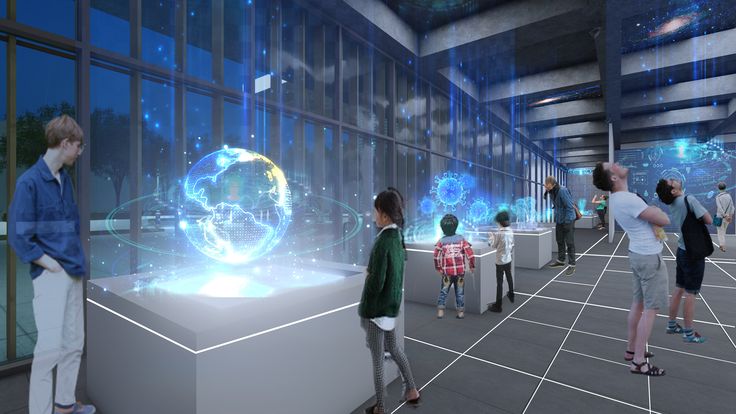
The next generation of materials is not just about composition; it’s about intelligence. The advent of AI and generative design tools is transforming how we select and manipulate materials to optimize performance.
- Parametric and Generative Design. This is a design method where building features are shaped by algorithmic processes. Instead of manually drawing a design, architects set parameters—like sunlight exposure, wind loads, or structural stress—and the software generates thousands of design variations that meet those criteria. This allows for the creation of complex, organic forms that are optimized for efficiency and material use. The work of pioneers like Zaha Hadid showcased the early potential of this approach, and today, AI is taking it to a new level.
- Smart and Adaptive Materials. The future of architecture includes materials that can respond to their environment. For instance, thermochromic glass can change its opacity to control solar heat gain, reducing the need for air conditioning. Self-healing concrete, embedded with bacteria that produce limestone, can autonomously seal cracks, extending the lifespan of a structure and minimizing maintenance. These materials are not static; they are active components of an intelligent building system.
- 3D Printing: A New Paradigm for Construction. 3D printing, or additive manufacturing, is fundamentally changing how we build. From large-scale concrete printers that can construct an entire house in days to smaller printers that create intricate, custom components, this technology minimizes waste, reduces labor costs, and enables the use of unconventional, often locally-sourced materials. It offers unparalleled design freedom and allows for the on-demand creation of complex geometries that would be impossible with traditional methods.
C. Beyond the Building: Designing for Human Well-Being
The conversation around materials is also shifting to include their impact on human health and happiness. A new field, neuroarchitecture, studies how the built environment affects the human brain and behavior. This brings a new set of criteria to material selection.
- Biophilic Design. This principle involves incorporating natural elements into a building. Materials like untreated wood, stone, and even living green walls and roofs connect occupants with nature. Studies have shown that biophilic design can reduce stress, improve cognitive function, and enhance overall well-being. It’s a move away from sterile, synthetic environments towards spaces that feel more human and alive.
- Material Psychology. Different materials evoke different psychological responses. The use of natural textures and warm colors can create a sense of calm and comfort, while sleek, metallic surfaces may inspire a feeling of modernity and dynamism. Understanding this “material psychology” allows architects to craft spaces that are not only functional but also emotionally resonant.
- Air Quality and Non-Toxic Materials. Many traditional building materials release Volatile Organic Compounds (VOCs), which can harm indoor air quality. The new era of materials prioritizes non-toxic, low-VOC alternatives, such as natural paints, wood finishes, and formaldehyde-free insulation. This focus on “healthy buildings” is becoming a standard, not a luxury.

D. Challenges and the Path Forward
While the possibilities are exciting, the adoption of these new materials and technologies faces significant challenges.
A. Cost and Scalability. Many innovative materials, like self-healing concrete, are still more expensive than their traditional counterparts. Scaling up production to meet the demands of the construction industry is a major hurdle.
B. Regulatory Frameworks. Building codes and regulations are often slow to adapt to new materials. Getting a novel material approved for use in a major project can be a long and complex process, stifling innovation.
C. Lack of Awareness and Education. Many in the industry, from architects to contractors, are unfamiliar with these new materials and the specialized skills required to work with them. Education and training are crucial to bridge this knowledge gap.
Conclusion
The shift towards a new era of materials is more than a trend; it’s a necessity. Architects and designers are no longer just builders of structures; they are custodians of the environment and creators of spaces that enhance human life. From the regenerative properties of mycelium to the intelligent capabilities of 3D-printed composites, the materials of tomorrow promise a future where our buildings are not just static objects but are dynamic, living entities that contribute positively to the planet and its inhabitants. The challenge now lies in accelerating this transition, embracing innovation, and building a world that is truly sustainable.

