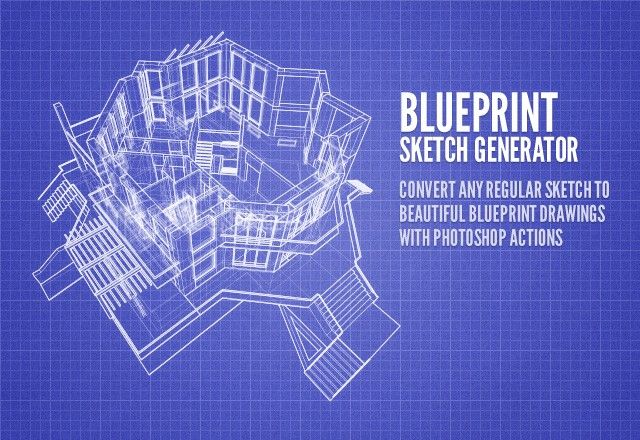
The role of an architect has evolved far beyond simply designing buildings. Today’s architects are at the forefront of tackling some of humanity’s most pressing challenges, from climate change and urbanization to creating spaces that enhance well-being and productivity. The “Blueprint for the Next Generation” is not just a plan; it’s a philosophy, a guiding principle that shapes how we build, live, and interact with our environment. It’s about looking beyond the immediate structure and considering the long-term impact on society and the planet. This new paradigm emphasizes innovation, sustainability, and human-centric design as core tenets.
As the global population continues to grow and urban centers expand, the demand for intelligent and sustainable architectural solutions is reaching unprecedented levels. This article will delve deep into the key pillars of this new blueprint, exploring how technology, materials, and design principles are converging to create a more resilient and harmonious future. We will examine the shift from traditional practices to a holistic approach that integrates a building’s entire lifecycle, from conception to demolition, and its influence on both the environment and the people who inhabit it.
The Digital Revolution: Shaping the Future of Design
The architectural profession is undergoing a profound transformation driven by digital technology. Tools that were once considered supplementary are now indispensable, fundamentally changing how architects conceptualize, create, and manage projects.
A. Building Information Modeling (BIM): BIM is more than just a software; it’s a collaborative process. It allows architects, engineers, and construction teams to work on a single, shared digital model of a building. This reduces errors, improves efficiency, and allows for better visualization of the project from every angle. By simulating a building’s performance before it is even built, BIM helps identify potential issues related to energy consumption, structural integrity, and material usage, leading to more sustainable outcomes.
B. Generative Design: This revolutionary process utilizes algorithms to automatically generate countless design options based on a set of pre-defined parameters, such as structural constraints, material costs, and aesthetic preferences. This allows architects to explore solutions that might be difficult to conceive manually, leading to highly optimized and innovative designs. For instance, a generative design could be used to create a facade that maximizes natural light while minimizing solar heat gain, a crucial element in energy-efficient buildings.
C. Virtual and Augmented Reality (VR/AR): VR and AR are changing how clients and stakeholders experience a building before it exists. Architects can create immersive virtual walkthroughs, allowing clients to virtually “walk” through a space, feel its scale, and understand its layout. This enhanced visualization and collaboration lead to more informed decisions and fewer costly revisions during the construction phase.
D. 3D Printing and Robotics: The integration of robotics and 3D printing in construction is no longer a futuristic concept. Large-scale 3D printers can now build entire houses or components in a fraction of the time, with minimal waste. Robotics can handle repetitive and dangerous tasks on a construction site, improving safety and precision. This technology holds immense potential for building affordable housing and creating structures with complex, non-traditional geometries.
These digital tools are not merely about automation; they are about augmenting human creativity and problem-solving, allowing architects to focus on the bigger picture: creating meaningful, functional, and aesthetically pleasing spaces that respond to the needs of the modern world.
Rethinking Materials: The Backbone of Sustainable Architecture
The choice of building materials is a critical component of the “Blueprint for the Next Generation.” The focus has shifted from durability alone to a material’s entire lifecycle, including its source, the energy required for its production, and its recyclability.
A. Mass Timber and Cross-Laminated Timber (CLT): Long considered a traditional material, wood is making a powerful comeback in modern construction, particularly in the form of mass timber and CLT. These engineered wood products offer a sustainable alternative to steel and concrete. They have a lower carbon footprint, as trees sequester carbon dioxide from the atmosphere, and are highly durable and fire-resistant. The lightweight nature of mass timber also reduces the need for heavy foundations and complex construction logistics.
B. Recycled and Upcycled Materials: Architects are increasingly turning to materials salvaged from demolition sites or industrial waste streams. Examples include reclaimed bricks, recycled plastic lumber, and even “smog bricks” made from urban air pollution. This approach not only reduces waste but also infuses a building with a unique character and history. It’s a testament to the principle of a circular economy in the built environment.
C. Self-Healing Concrete: Scientists are developing new types of concrete that can repair their own cracks, significantly extending the lifespan of a structure. This is achieved by embedding a special type of bacteria that produces limestone when exposed to water and oxygen, effectively filling in the cracks and preventing structural degradation.
D. Smart Materials and Phase-Change Materials: These materials can respond to environmental changes. For example, a “smart glass” can automatically tint itself to reduce glare and heat gain. Phase-change materials (PCMs) can absorb and release thermal energy to regulate a building’s indoor temperature, reducing the need for active heating or cooling systems.
The focus on these materials demonstrates a commitment to building structures that are not only aesthetically pleasing but also environmentally responsible and technologically advanced.
Designing for People: The Human-Centric Approach
Beyond sustainability and technology, the “Blueprint for the Next Generation” places a strong emphasis on the human element. The best architecture is not just a work of art; it is a space that supports and enhances the lives of the people who use it. This involves a deep understanding of psychology, sociology, and human biology.
A. Biophilic Design: This approach integrates natural elements into the built environment to promote a connection with nature. This can be as simple as incorporating natural light and ventilation or as complex as building living green walls and rooftop gardens. Studies have shown that biophilic design can improve occupant well-being, reduce stress, and increase productivity in workspaces.
B. Universal Design and Accessibility: Good design should be accessible to everyone, regardless of age, ability, or background. Universal design principles ensure that spaces are usable by all, eliminating barriers and creating a more inclusive environment. This includes features like wider doorways, ramps, and intuitive wayfinding systems.
C. Flexible and Adaptable Spaces: In a world where needs are constantly changing, static spaces are becoming obsolete. The modern architect designs for flexibility, creating spaces that can be easily reconfigured to serve different functions over time. Think of open-plan offices that can be partitioned for private meetings or residential spaces with movable walls.
D. The Psychology of Space: Architects are increasingly collaborating with psychologists to understand how design influences human behavior and emotions. The use of color, light, and texture can significantly impact mood and mental clarity. For example, warm lighting and soft materials can create a sense of comfort and relaxation, while bright, open spaces can foster a feeling of energy and collaboration.
This human-centric approach ensures that a building is not just a shelter but a place that nurtures its inhabitants, contributing to a higher quality of life.
The Future of the Profession: Architect as a Visionary
The role of the architect is no longer confined to technical drawings and structural calculations. The architect of the future is a problem-solver, a visionary, and a collaborator. They must work alongside a diverse team of professionals, including environmental scientists, urban planners, sociologists, and data analysts, to create truly integrated and effective solutions. The Blueprint for the Next Generation is a call to action for architects to embrace their role as leaders in shaping a better, more sustainable, and more equitable world.
This is a continuous journey of learning and innovation. The challenges are significant, but so are the opportunities. By embracing a holistic, forward-thinking approach, we can design and build a world that is not only functional and beautiful but also resilient and respectful of our shared home. The buildings we create today will be the legacy for generations to come, and it is our responsibility to ensure that this blueprint is built on a foundation of integrity, ingenuity, and a deep commitment to the future.

