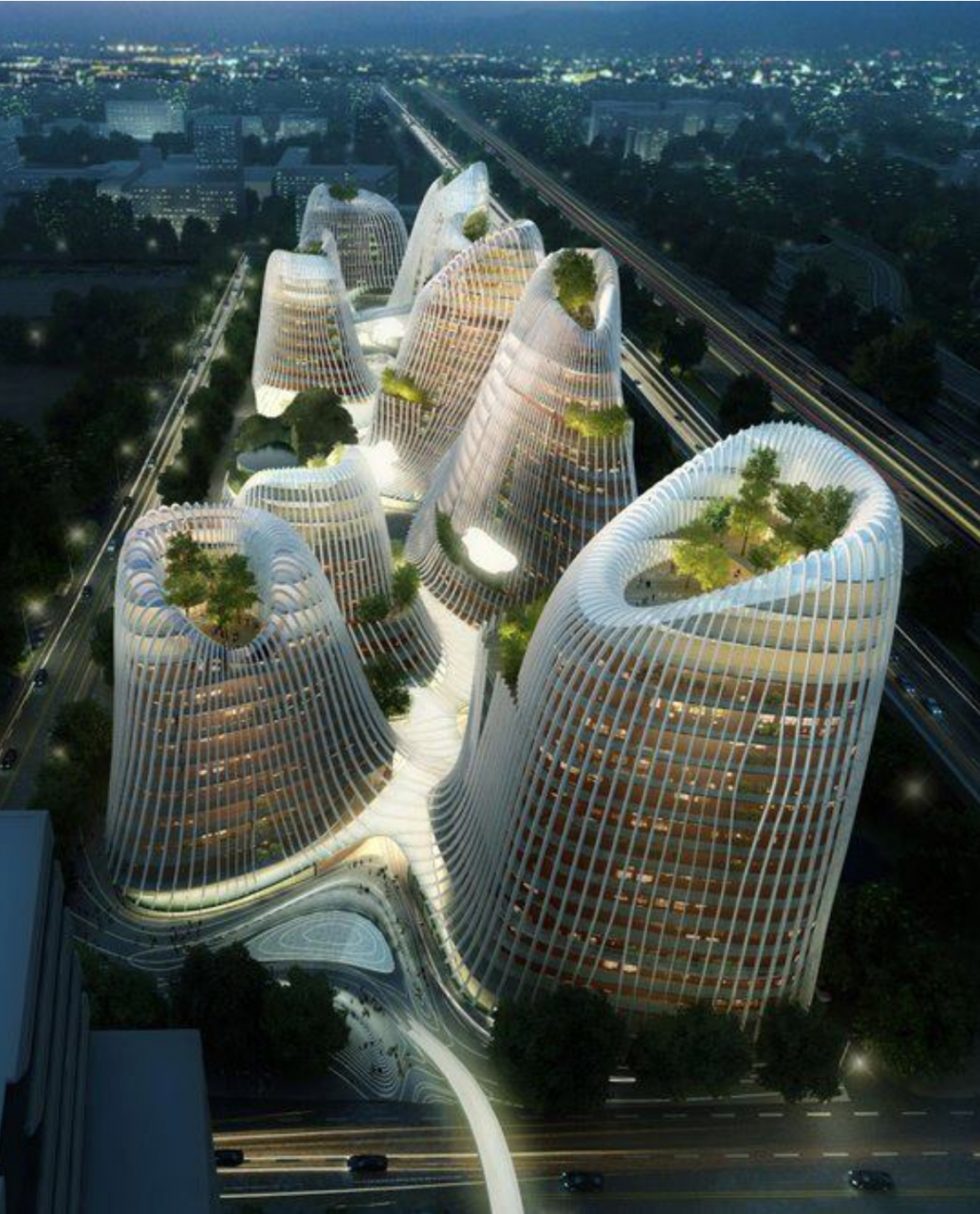
Have you ever stopped to admire the breathtaking silhouette of a city against the evening sky? The jagged peaks of skyscrapers, the graceful curves of modern art museums, and the historic spires of centuries-old churches—they all tell a story. This magnificent tapestry of steel, glass, and concrete isn’t a happy accident. It’s a meticulously crafted symphony, orchestrated by one of the most crucial yet often overlooked professions: the architect. More than just designers of buildings, architects are the master sculptors of our urban environment. They are the visionaries who transform empty plots of land into bustling commercial hubs, residential sanctuaries, and cultural landmarks. This comprehensive guide will delve deep into the multifaceted role of architects, exploring how their creative genius, technical expertise, and profound understanding of human behavior collectively shape the skylines we know and love, while simultaneously influencing the way we live, work, and interact.
The Architect’s Vision: From Blueprint to Reality
Every great building begins as a concept, a flicker of an idea in an architect’s mind. This initial phase is a journey of imaginative exploration, where they envision a structure that not only serves its function but also contributes aesthetically and socially to its surroundings. This is where the magic truly happens. An architect doesn’t just sketch a floor plan; they conceptualize a space where light dances across surfaces, where people feel a sense of belonging, and where the building itself becomes a character in the city’s narrative.
A. Conceptualization and Ideation: This is the birth of the project. Architects conduct extensive research, studying the site’s history, geography, and climate. They consider the needs of the client and the community, seeking to create a solution that is both innovative and contextually appropriate. They use a variety of tools, from hand-drawn sketches to advanced 3D modeling software, to visualize and refine their ideas.
B. Sustainable and Resilient Design: In today’s climate-conscious world, an architect’s role has evolved to include a strong emphasis on sustainability. They must design structures that minimize environmental impact, using energy-efficient materials, integrating renewable energy sources, and creating green spaces. This shift is not just a trend but a fundamental responsibility, ensuring that our cities can thrive for generations to come.
C. Aesthetic and Cultural Sensitivity: A building is a statement. An architect must ensure that this statement resonates with the culture and history of the location. A skyscraper in Dubai will look vastly different from a residential building in Kyoto, and rightly so. The architect’s challenge is to find the perfect balance between modern innovation and respecting local traditions and aesthetics.
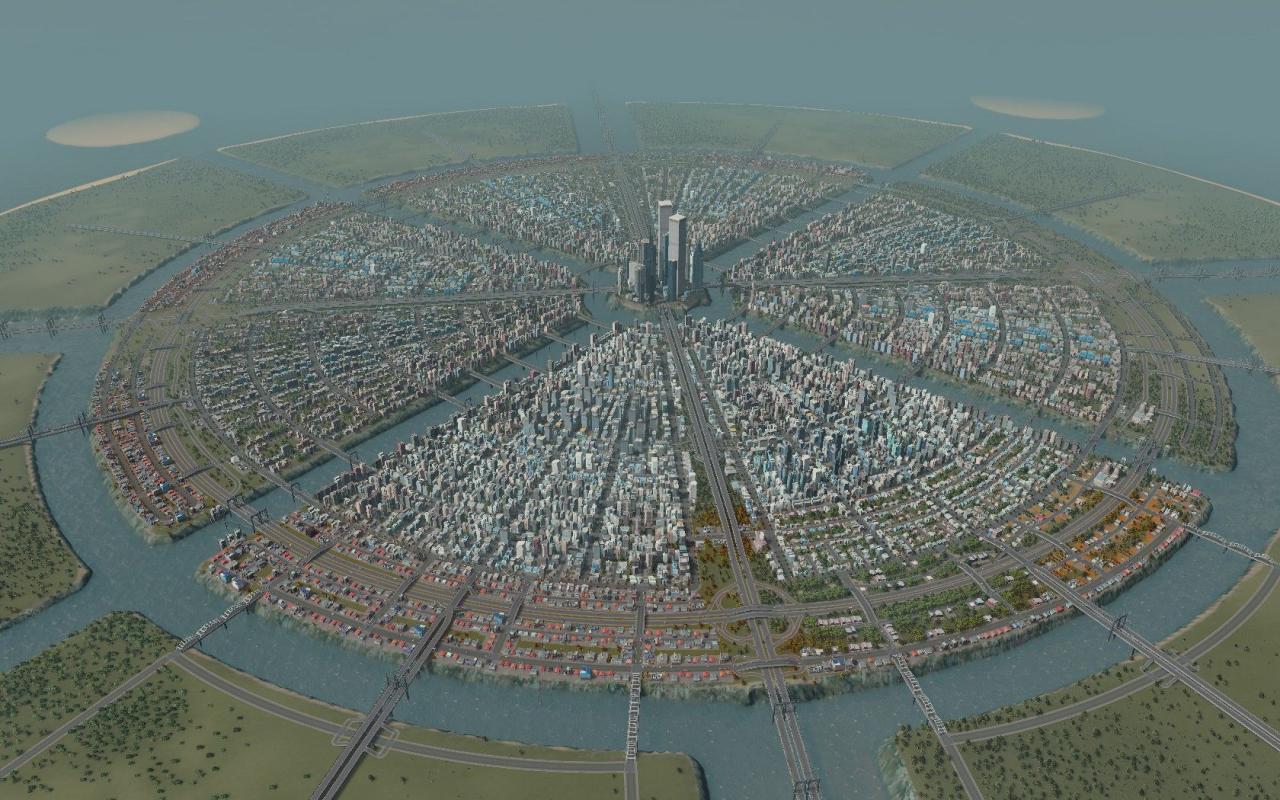
The Architect as a Problem-Solver: Balancing Form and Function
Architecture is an art, but it’s also a science. Behind every beautiful facade lies a complex web of engineering, logistics, and legal considerations. Architects are masters of problem-solving, tasked with harmonizing competing demands to create a functional, safe, and beautiful space.
A. Structural Integrity and Safety: A building must stand tall against the forces of nature, from powerful winds to seismic tremors. Architects work closely with structural engineers to ensure every beam, column, and foundation is designed to withstand immense loads and protect its occupants. This is a non-negotiable aspect of their work, as the public’s safety is paramount.
B. Navigating Codes and Regulations: The construction industry is heavily regulated, with a myriad of building codes, zoning laws, and accessibility standards to follow. Architects are the interpreters of these complex rulebooks. They must meticulously plan every detail to ensure the final design is fully compliant, a task that requires a deep understanding of legal and municipal requirements.
C. Financial Viability: A stunning design is worthless if it’s too expensive to build. Architects play a crucial role in project management, working with clients and contractors to create a design that meets the budget without compromising on quality or vision. They are constantly innovating, seeking out cost-effective materials and construction methods to make ambitious projects a reality.
D. Human-Centered Design: Ultimately, buildings are for people. Architects are increasingly focusing on human-centered design, a philosophy that prioritizes the user’s experience. This includes designing spaces that are easy to navigate, offer natural light, and promote well-being. Think of a hospital that feels calming or a school that inspires creativity—these are the results of thoughtful, human-centric architectural design.
The Impact on Urban Living: A Ripple Effect
The influence of architects extends far beyond the physical structure of a building. Their work has a profound ripple effect on the social fabric, economic vitality, and overall quality of life in a city.
A. Creating Economic Hubs: Iconic architectural projects often become catalysts for economic growth. The completion of a landmark skyscraper or a new convention center can attract businesses, tourism, and talent, transforming a neighborhood into a thriving economic center. Think of how buildings like the Burj Khalifa or the Shard have put their respective cities on the global map.
B. Fostering Community and Social Interaction: Architects design not just buildings, but the spaces in between them. A well-designed public square, a pedestrian-friendly street, or a community park can encourage social interaction, reduce isolation, and create a stronger sense of community. By carefully planning these public spaces, architects help to build a more connected and livable city.
C. Preserving and Reinventing History: Not all great architectural work involves new construction. Many architects specialize in historic preservation, breathing new life into old buildings while honoring their original character. They find innovative ways to repurpose derelict factories into modern lofts or transform forgotten train stations into vibrant cultural centers, ensuring that a city’s history is not erased but rather celebrated and integrated into its future.
D. Enhancing Quality of Life: The quality of the built environment directly impacts our mental and physical well-being. A thoughtfully designed home can reduce stress, a well-ventilated office can improve productivity, and an accessible public space can promote inclusivity. Architects, through their work, contribute directly to the health and happiness of urban dwellers.
The Evolution of the Architect: The Digital Age and Beyond
The architectural profession is not static; it is constantly evolving with the advent of new technologies and changing societal needs. The digital revolution has fundamentally altered how architects work, offering new tools and possibilities.
A. Building Information Modeling (BIM): BIM is a game-changer in the industry. It’s a digital process that creates a 3D model of a building, containing rich data about every component. This allows architects, engineers, and contractors to collaborate in real-time, reducing errors, optimizing designs, and managing costs more effectively. It has streamlined the entire construction process, making it more efficient and precise.
B. Generative Design and AI: Artificial intelligence is beginning to play a significant role in architecture. Generative design algorithms can create thousands of design options based on a set of parameters, allowing architects to explore possibilities that would be impossible to conceive manually. This frees up architects to focus on the creative and conceptual aspects of their work.
C. The Global Village: Thanks to the internet, architects are no longer confined to working on local projects. They can collaborate with clients and teams from around the world, bringing diverse perspectives and influences to their designs. This global interconnectedness is leading to a fascinating cross-pollination of architectural styles and ideas.
D. Responding to Global Challenges: Architects are at the forefront of addressing some of the world’s most pressing issues, from climate change and urbanization to housing shortages and population growth. They are designing resilient infrastructure, creating affordable housing solutions, and pioneering new ways to build with minimal resources, proving that their role is more critical than ever before.
Conclusion
The next time you gaze upon a city skyline, take a moment to appreciate the immense talent and dedication of the architects who brought it to life. From the iconic towers that define a city’s profile to the quiet efficiency of a well-designed public transit station, their work is all around us, shaping our daily lives in ways both seen and unseen. Architects are not just builders; they are creators of experience, storytellers in steel and stone, and guardians of our built environment. They are the artists and engineers who literally build our future, one magnificent structure at a time. The legacy of an architect is not just the buildings they design, but the enduring impact those buildings have on the people who inhabit them and the cities they belong to.

