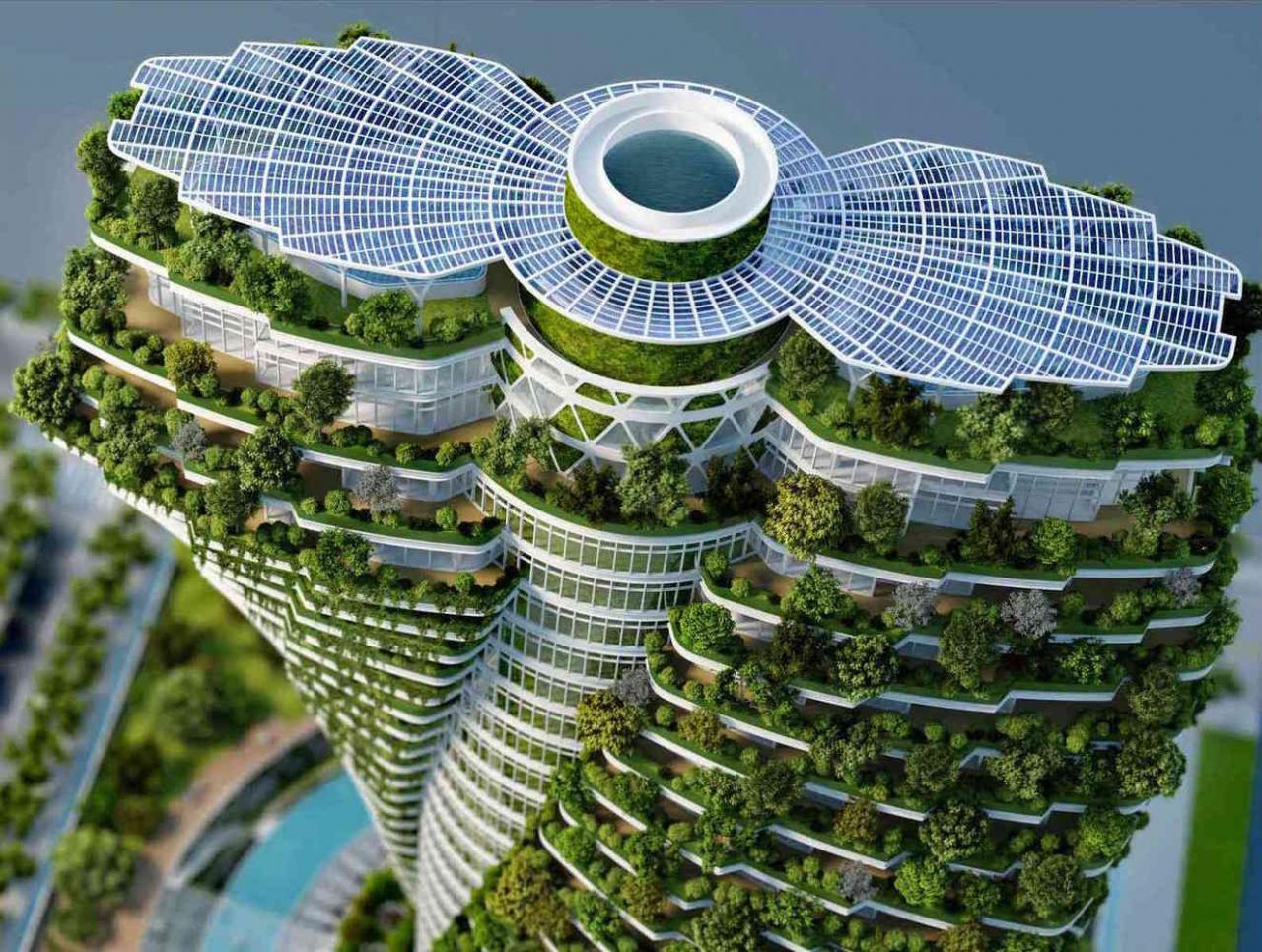
In an era defined by environmental urgency, the practice of architecture has undergone a profound transformation. While the concept of “green buildings” once dominated the conversation, the industry is now moving toward a more holistic and integrated approach: sustainable design. This shift is not just about incorporating solar panels or using recycled materials; it’s about a complete rethinking of how we build, from a project’s inception to its end of life. The journey of sustainable design is a narrative of progression, moving from simple checklists to a complex, interconnected philosophy that addresses ecological, social, and economic factors.
For decades, the focus was on a building’s operational efficiency. The goal was to reduce energy consumption, minimize water use, and improve indoor air quality. This led to the rise of green building certifications like LEED (Leadership in Energy and Environmental Design) and BREEAM (Building Research Establishment Environmental Assessment Method). While these frameworks were instrumental in raising awareness and setting standards, they often treated sustainability as a separate layer added to a conventional design rather than an integral part of it. The result was a fragmented approach where buildings might be certified as “green” but still contribute to urban sprawl, resource depletion, and social inequity. The modern architect understands that a truly sustainable building is not an isolated object but a responsive part of a larger system.
Redefining Sustainability: A Holistic View
The new paradigm of sustainable design encompasses a broader, more nuanced definition. It’s no longer enough to be “less bad”; the goal is to be regenerative. This means creating buildings and communities that give back more than they take, enriching both their inhabitants and the surrounding environment. This new philosophy is built on several key principles:
A. Circular Economy: Moving away from the traditional linear “take-make-dispose” model, sustainable design embraces a circular approach. This involves designing buildings and products that can be disassembled and their components reused, recycled, or repurposed. It means using materials that are not only renewable but also non-toxic and biodegradable, ensuring that nothing goes to waste. A building’s life cycle is no longer a straight line but a continuous loop.
B. Biophilic Design: This concept recognizes the innate human connection to nature. By integrating natural elements—such as sunlight, plants, water features, and natural materials—into architectural spaces, biophilic design improves physical health, cognitive function, and emotional well-being. It is based on the idea that our bodies and minds function best when we are connected to the natural world.
C. Resilient Design: In an age of climate change, architects must design for resilience. This means creating structures that can withstand and adapt to environmental shocks and stressors, such as extreme weather events, rising sea levels, and power outages. It involves using robust materials, incorporating passive cooling and heating strategies, and designing systems that can operate independently when needed.
D. Social Equity: A truly sustainable building must serve its community. This includes designing for accessibility, promoting social interaction, and ensuring that all members of society have access to safe, healthy, and high-quality spaces. It challenges architects to consider the long-term social impact of their work, from affordable housing to public spaces that foster community spirit.
E. High-Performance Envelopes: The building envelope—the physical separation between the interior and exterior—is a critical component of sustainable design. By creating highly insulated, airtight envelopes with strategically placed windows, architects can dramatically reduce a building’s energy needs. This passive design approach is often more effective and lasting than relying solely on active systems like heating, ventilation, and air conditioning (HVAC).
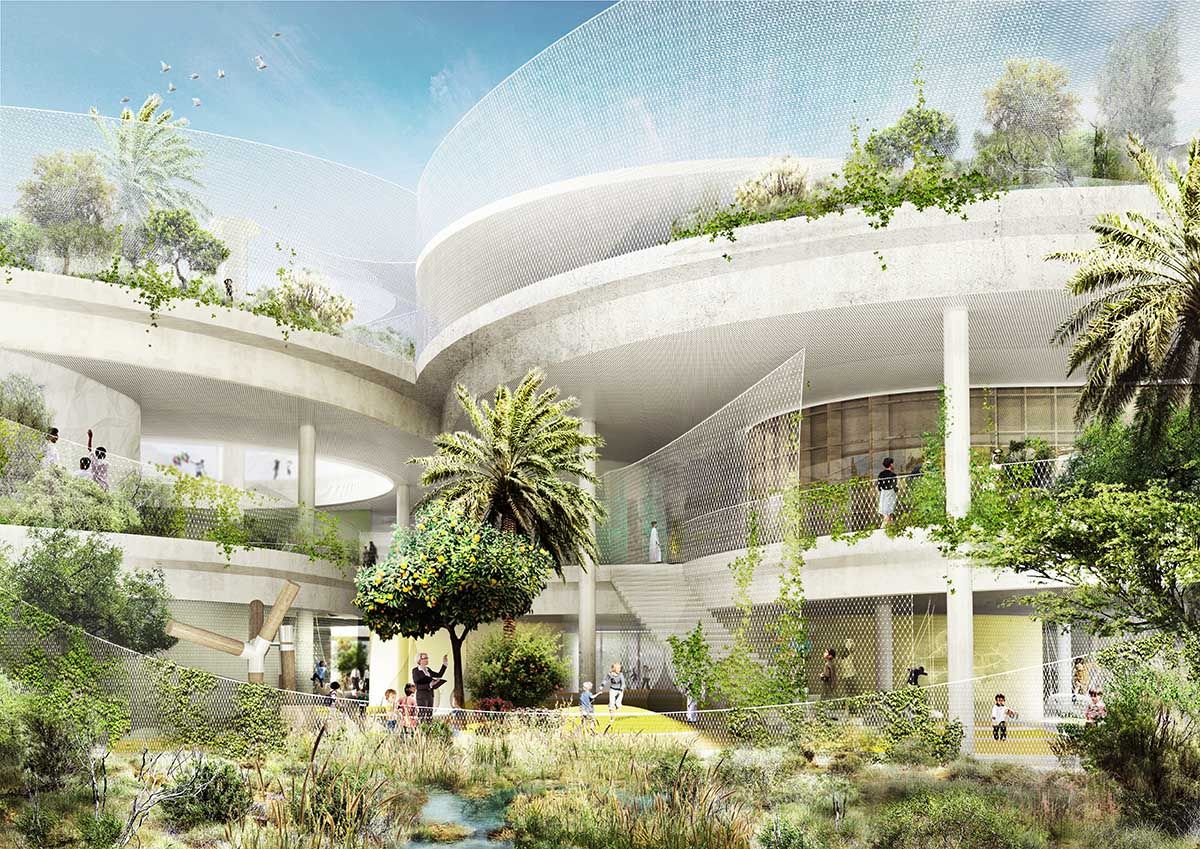
The Role of Technology and Innovation
The shift to a regenerative model is powered by technological innovation. Architects are no longer limited to two-dimensional blueprints; they are using a suite of digital tools to analyze, simulate, and optimize their designs.
- Building Information Modeling (BIM): This process creates a detailed 3D model of a building that includes not only its geometry but also information about its materials, costs, and life cycle performance. BIM allows architects to identify and resolve potential issues early in the design phase, minimizing waste and maximizing efficiency.
- Generative Design: Using algorithms and artificial intelligence, generative design tools explore thousands of possible design solutions based on a set of parameters (e.g., maximizing natural light, minimizing structural materials, or optimizing for wind resistance). This helps architects discover innovative forms and layouts that might not be apparent through traditional methods.
- Smart Materials: The materials we use are becoming smarter and more sustainable. We now have concrete that can absorb carbon dioxide, self-healing polymers, and bio-based plastics grown from fungi or algae. These materials not only reduce environmental impact but also offer new aesthetic and structural possibilities.
- Prefabrication and Modular Construction: By manufacturing building components off-site in a controlled factory environment, prefabrication reduces construction waste, improves quality, and shortens project timelines. This approach also allows for greater precision and the use of new materials that are difficult to work with on a traditional construction site.
From Concept to Reality: Case Studies
To fully understand the power of sustainable design, it’s helpful to look at real-world examples that go beyond the basic definition of “green.”
- The Bullitt Center, Seattle: Often called the “greenest commercial building in the world,” the Bullitt Center is a living laboratory. It operates as a regenerative building, generating all its own power from a massive rooftop solar array, collecting and treating its own water, and featuring a composting toilet system. It proves that a truly self-sufficient building is not only possible but also economically viable.
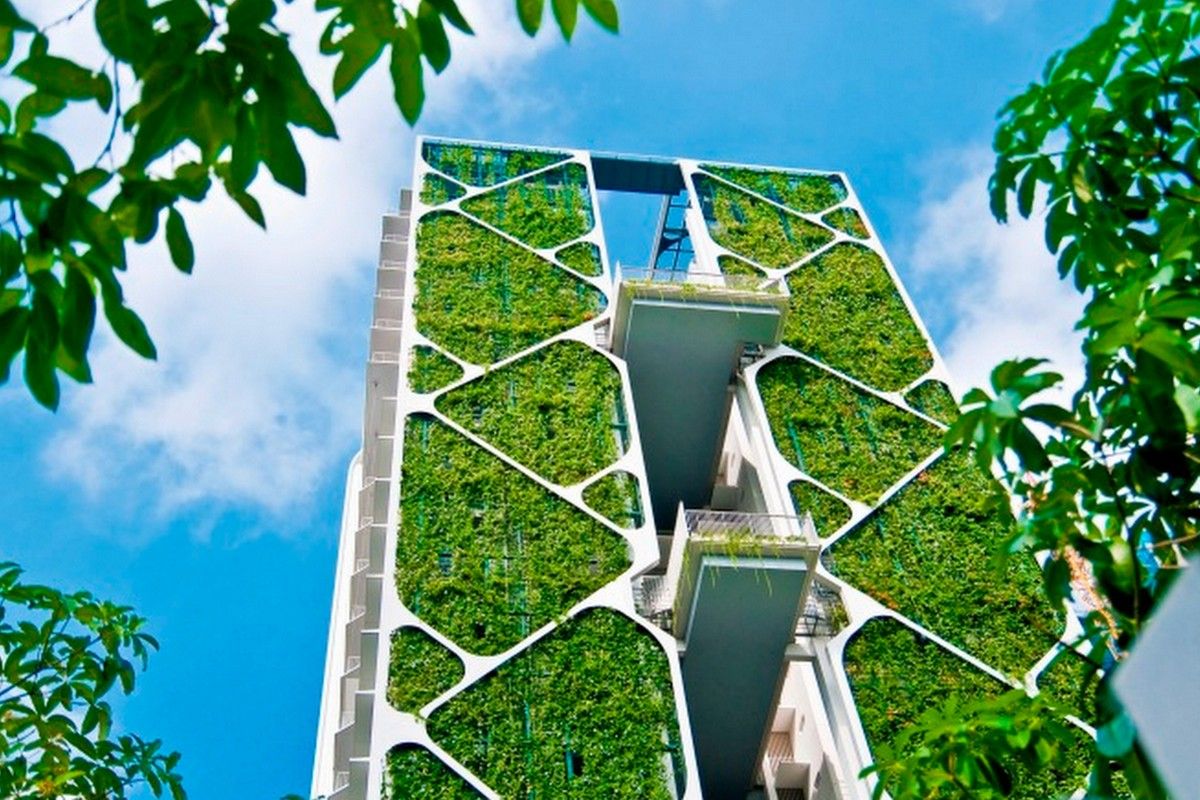
- One Central Park, Sydney: This residential tower is famous for its vertical gardens, a stunning example of biophilic design. Designed by Jean Nouvel and Patrick Blanc, the facade is covered in thousands of plants that act as a natural sun shield, improving air quality and providing a habitat for local wildlife. The building connects residents with nature in the heart of a dense urban environment.
- The Edge, Amsterdam: Hailed as one of the smartest buildings in the world, The Edge uses a digital ceiling of 28,000 sensors to monitor everything from light levels to temperature and motion. The building is designed to maximize energy efficiency and provides a personalized, comfortable environment for its occupants. It’s a prime example of how technology can be integrated to create a high-performance, human-centric space.
The Future of Sustainable Design
The future of architecture is not just about building better; it’s about building smarter, more equitably, and in harmony with our planet. The conversation has moved from a limited checklist to a comprehensive worldview that prioritizes people and planet alongside profit. As we face the challenges of urbanization and climate change, architects will be at the forefront, designing the resilient, regenerative, and beautiful spaces of tomorrow. This isn’t just a trend; it’s the new standard for a world in need of a better way to build.

