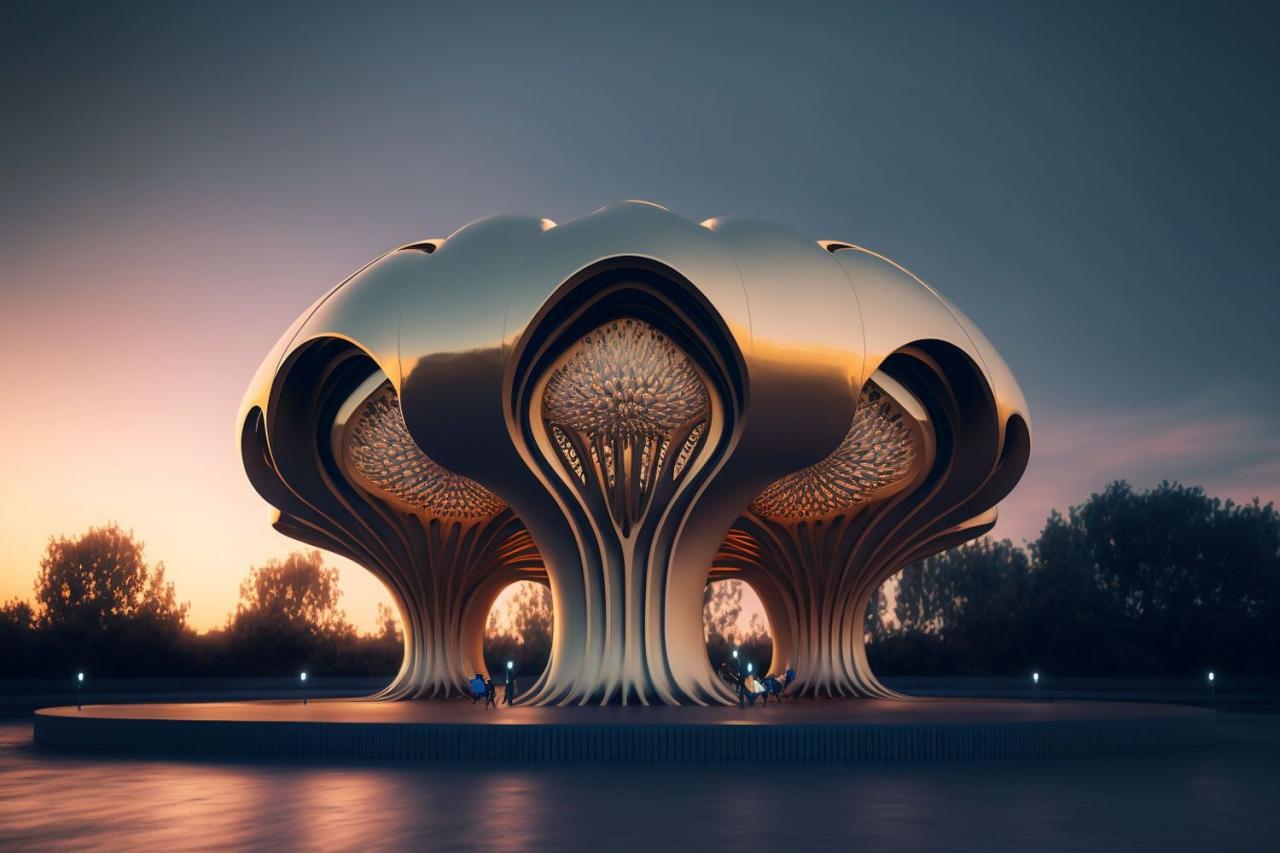
The field of architecture is on the brink of a monumental transformation, driven not by new materials or construction techniques, but by the silent, powerful force of artificial intelligence. While the image of an architect meticulously sketching a blueprint has been a romanticized staple for centuries, the reality of modern design is a complex web of data, regulations, and efficiency demands. This is where AI steps in, not as a replacement for human creativity, but as a revolutionary partner. By harnessing the power of machine learning and generative design, architects are now able to explore possibilities and solve problems that were once deemed impossible.
This technological evolution is poised to redefine every facet of the design process, from the initial conceptualization to the final building management. The integration of AI tools promises a future where buildings are not just structures but intelligent, responsive systems that are more sustainable, efficient, and tailored to the needs of their inhabitants. The shift is already underway, with architects and firms worldwide adopting AI-powered platforms to streamline workflows, optimize designs, and push the boundaries of what is physically and aesthetically achievable.
Redefining the Design Process with AI
The traditional design process, often linear and time-consuming, is being fundamentally reshaped by AI. The journey from a blank canvas to a completed building involves countless decisions, from site analysis and material selection to structural integrity and energy efficiency. AI’s capacity to process and analyze vast datasets at an unprecedented speed is proving invaluable.
- A. Generative Design: At its core, generative design is a process where AI, given a set of parameters and constraints (such as structural strength, material cost, and sunlight exposure), generates thousands of design variations. Unlike traditional design where a human creates one concept at a time, this method allows for a rapid exploration of the design space. The architect acts as a curator, selecting the most promising designs and refining them, thus accelerating the ideation phase and uncovering novel, optimized solutions that might not have been conceived by human intuition alone.
- B. Automated Site Analysis: Before a single line is drawn, an architect must understand the site’s context. AI can analyze geographical data, local regulations, historical weather patterns, and even pedestrian traffic flow to provide comprehensive insights. This not only speeds up the preliminary research but also leads to more informed and context-sensitive designs. AI can predict how a building will interact with its environment, helping to optimize for factors like natural light, ventilation, and views.
- C. Material and Cost Optimization: Building materials and labor costs are significant variables in any project. AI algorithms can analyze a design and recommend the most cost-effective and sustainable materials, considering factors like availability, durability, and environmental impact. This function allows for real-time cost estimation and a more transparent and efficient budgeting process.
- D. Structural and Performance Simulation: Designing a structurally sound building requires complex calculations. AI-powered simulation tools can perform millions of simulations to test a design’s integrity against various stressors, from seismic activity to extreme weather. This predictive modeling identifies potential weaknesses early in the design phase, reducing the risk of structural failure and the costs associated with late-stage design changes.
Enhancing Sustainability and Efficiency
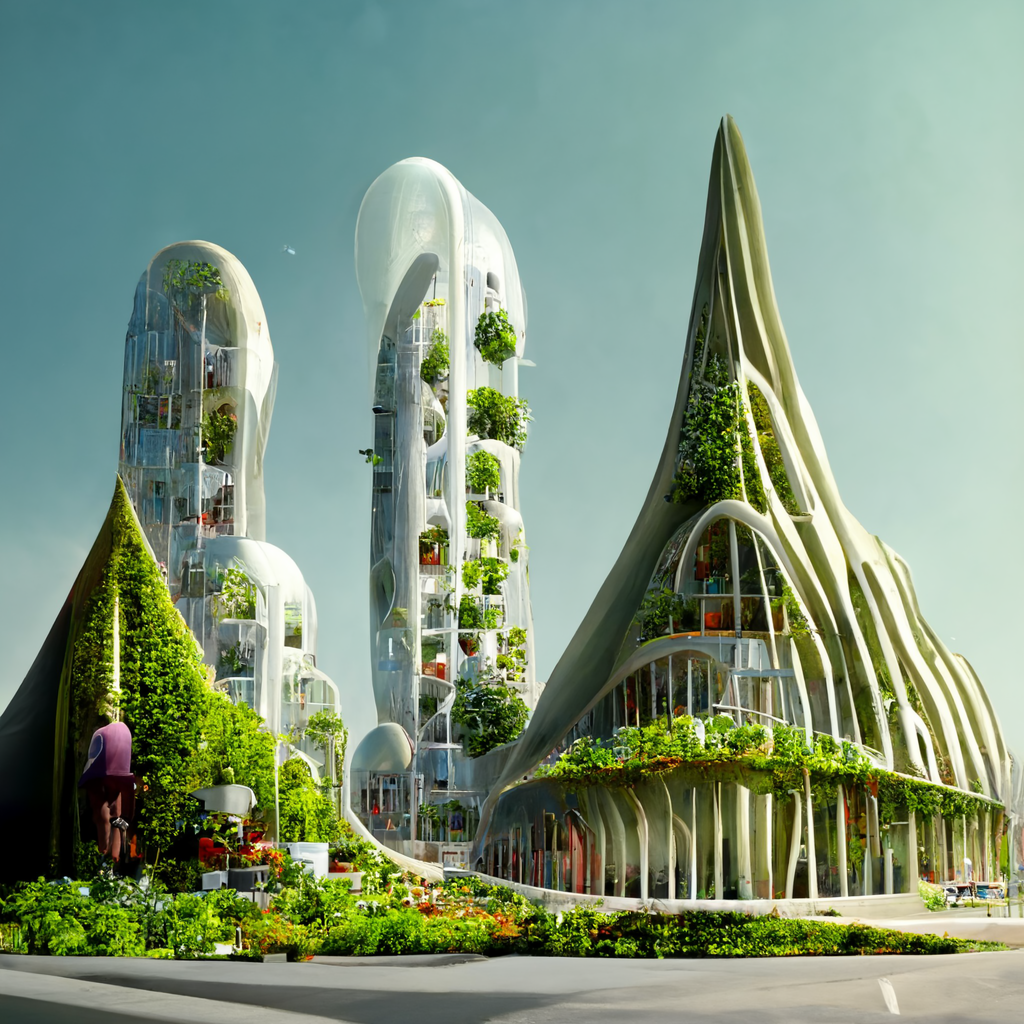
One of the most profound impacts of AI in architecture is its contribution to sustainability. Buildings are massive consumers of energy and resources, and the construction industry is a major source of global carbon emissions. AI offers a powerful solution to this challenge.
- A. Energy Efficiency Modeling: AI can predict a building’s energy consumption based on its design, orientation, and local climate data. It can simulate the performance of different window types, insulation materials, and HVAC systems, allowing architects to make data-driven decisions that minimize a building’s carbon footprint. This leads to the creation of passive-design buildings that require minimal external heating or cooling.
- B. Waste Reduction: Construction waste is a significant problem. AI can optimize the cutting and use of materials, minimizing scrap and reducing waste. By creating more precise fabrication models, AI ensures that every piece of material serves a purpose, leading to more efficient construction practices and lower environmental impact.
- C. Predictive Maintenance: After a building is completed, AI can be integrated into its management systems. By analyzing sensor data from a building’s systems, AI can predict when maintenance is needed, preventing breakdowns and extending the lifespan of equipment. This proactive approach saves energy and resources, contributing to a building’s overall sustainability and operational efficiency.
The Human-AI Collaboration
The integration of AI into architectural practice is not about replacing human talent; it is about augmenting it. The architect’s role is shifting from a hands-on designer to a strategic visionary and a systems thinker. AI handles the computational heavy lifting, freeing the architect to focus on what truly matters: creativity, empathy, and the human element.
The collaborative model of human-AI partnership brings forth a new kind of creative output. An architect’s intuition and aesthetic sensibilities, combined with an AI’s analytical power, can lead to designs that are not only beautiful and functional but also highly optimized for performance and sustainability. This synergy allows for the creation of unique, responsive, and complex structures that were once unimaginable.
Challenges and Future Outlook
While the potential of AI in architecture is vast, several challenges remain. The high cost of specialized AI software and the steep learning curve for many firms can be a barrier to entry. Furthermore, ethical considerations regarding data privacy and the potential for a “homogenization” of design styles are important discussions that need to be addressed.
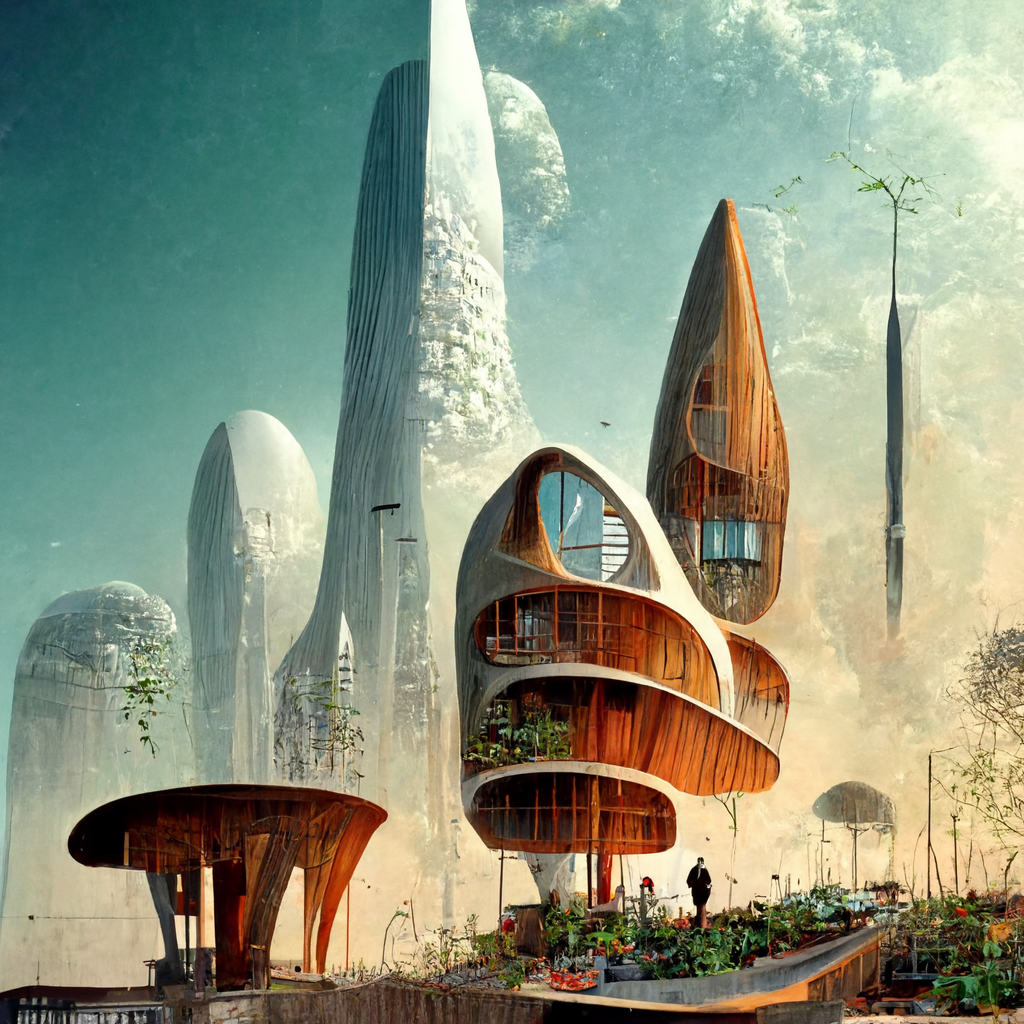
Looking ahead, the future of AI in architecture is one of increasing integration. As AI tools become more intuitive and accessible, they will become a standard part of an architect’s toolkit. We can anticipate buildings that are truly “smart” – structures that adapt in real-time to environmental conditions and inhabitant needs. We may even see the rise of autonomous construction, where AI-designed blueprints are directly fed to robotic builders, leading to faster, safer, and more precise construction. The AI revolution in architecture is not a fleeting trend; it is the beginning of a new chapter in how we design, build, and interact with our world.

